Flavor Chemistry of Herbs and Spices
Flavor Chemistry of Herbs and Spices
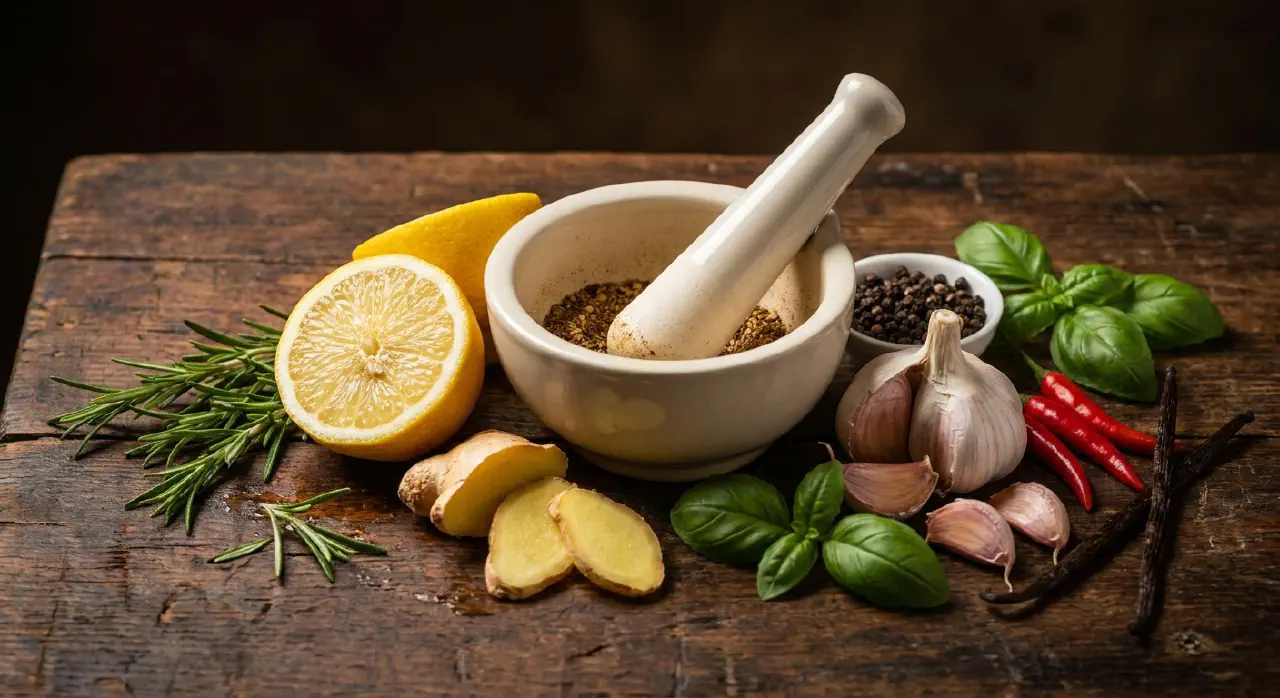
All herb and spice flavors are plant defense chemicals — evolved to repel insects, fungi, and grazing animals. Humans learned to dilute them (a few milligrams in a pound of food) to convert weapons into pleasures. The science of these chemicals explains why some flavors vanish with cooking while others persist, why fat extracts more flavor than water, and why a spice blend can be greater than the sum of its parts.
Tea
Tea
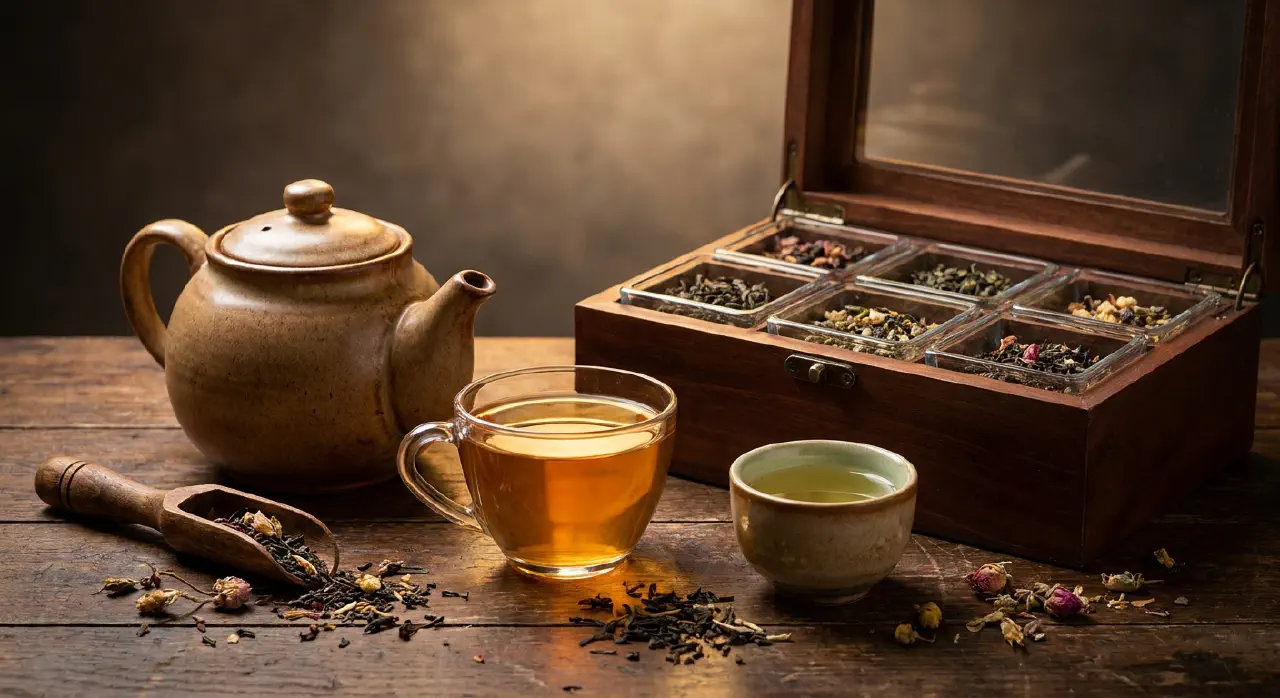
An infusion of the leaves of Camellia sinensis, native to southeast Asia, tea is defined by a single remarkable process: the leaf’s own enzymes transform bitter, astringent defensive chemicals into an enormous range of flavors and colors. The degree of this enzymatic transformation — none (green), partial (oolong), or extensive (black) — determines the tea’s character. Young leaves packed with defensive phenolics and caffeine are the best raw material, which is why the choice pluck is the terminal bud plus two adjacent leaves.
Wood Smoke and Charred Wood
Wood Smoke and Charred Wood
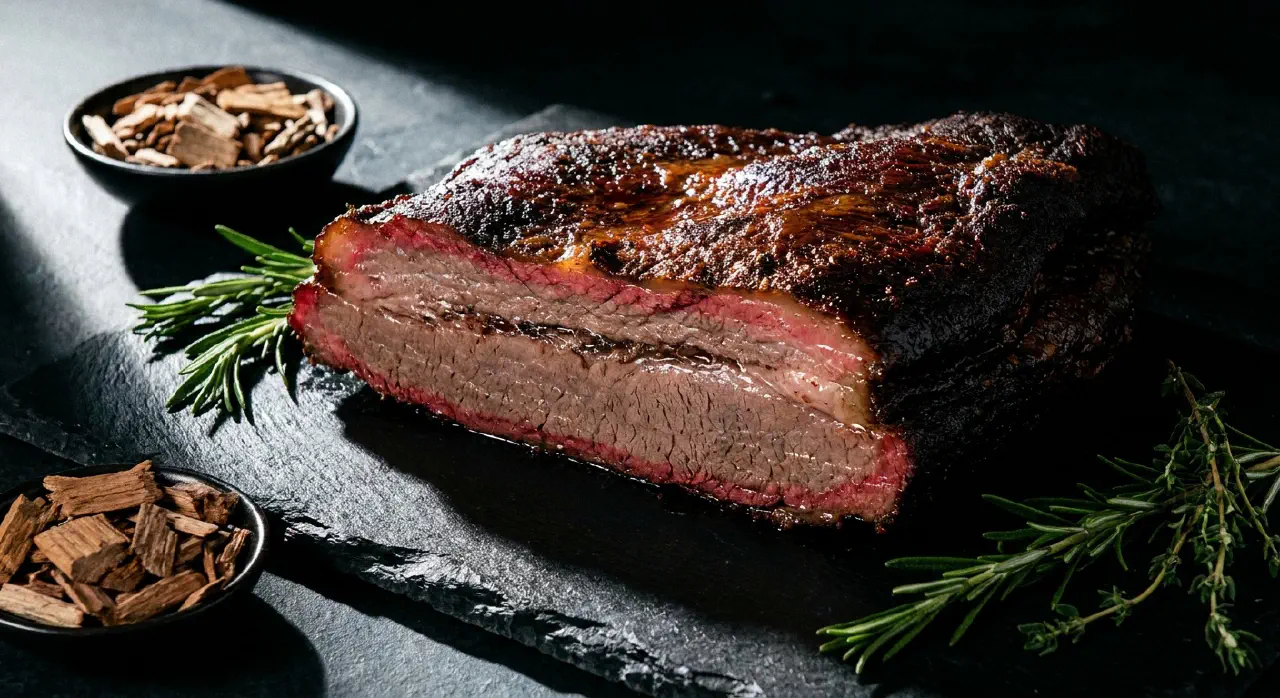
Wood smoke delivers phenolic flavors identical to those found in spices — vanillin (vanilla), eugenol (cloves), guaiacol (smoky warmth) — because wood’s structural lignin is itself a massive phenolic polymer. When heat breaks it apart, the fragments are the same small molecules that define clove and vanilla aroma. This shared chemistry explains why smoked foods pair so naturally with spice-heavy cuisines.
Wood composition
Wood is built from three primary materials, each contributing different flavor compounds when burned: