Grilling and Broiling
Grilling and Broiling
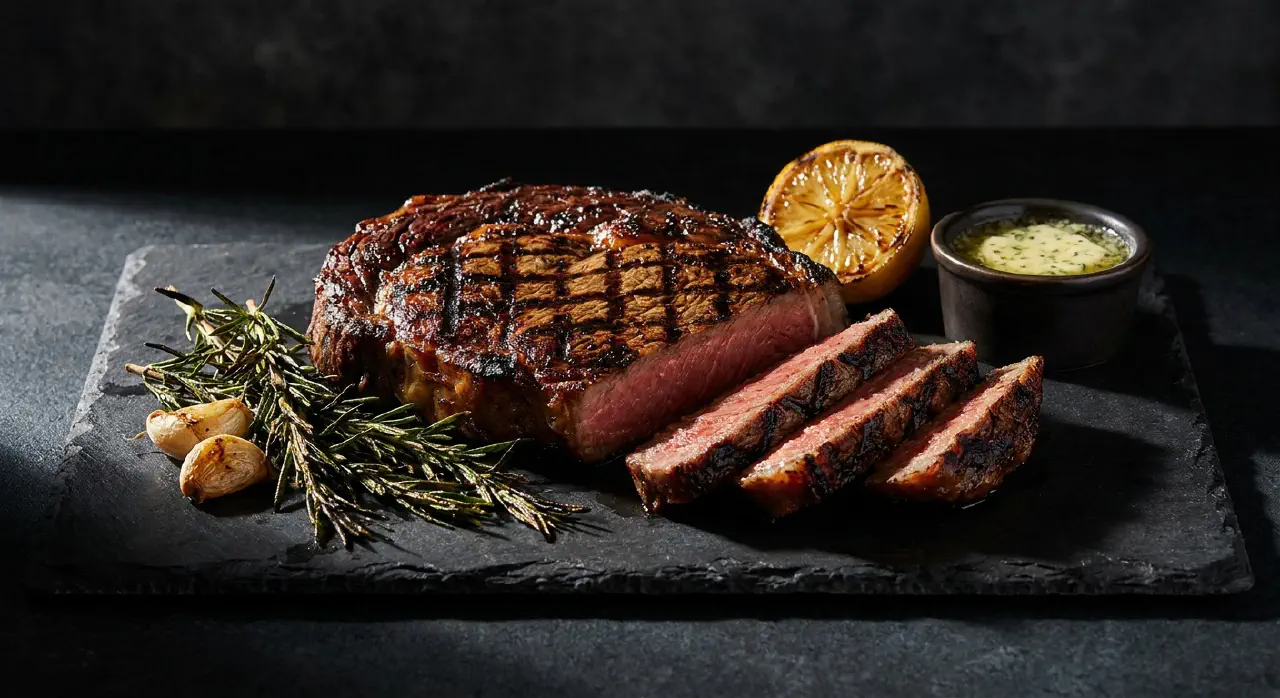
Grilling and broiling are the most intense dry-heat methods — both use infrared radiation to deliver energy directly to the food surface at very high temperatures (400–500°F+ at the grate or element). The difference is directional: grilling heats from below, broiling from above. Both produce rapid surface dehydration, intense Maillard browning, and characteristic flavor development from fat drippings combusting on hot coals or elements.
Heat transfer mechanism
The primary mechanism is infrared radiation — electromagnetic energy emitted by hot coals, heated metal, or gas/electric elements. Radiation travels through air without heating it, delivering energy directly to the food surface. Grilling adds a secondary mechanism: conduction from the hot grill grate, which creates the characteristic seared grill marks.
Meat Cooking
Meat Cooking
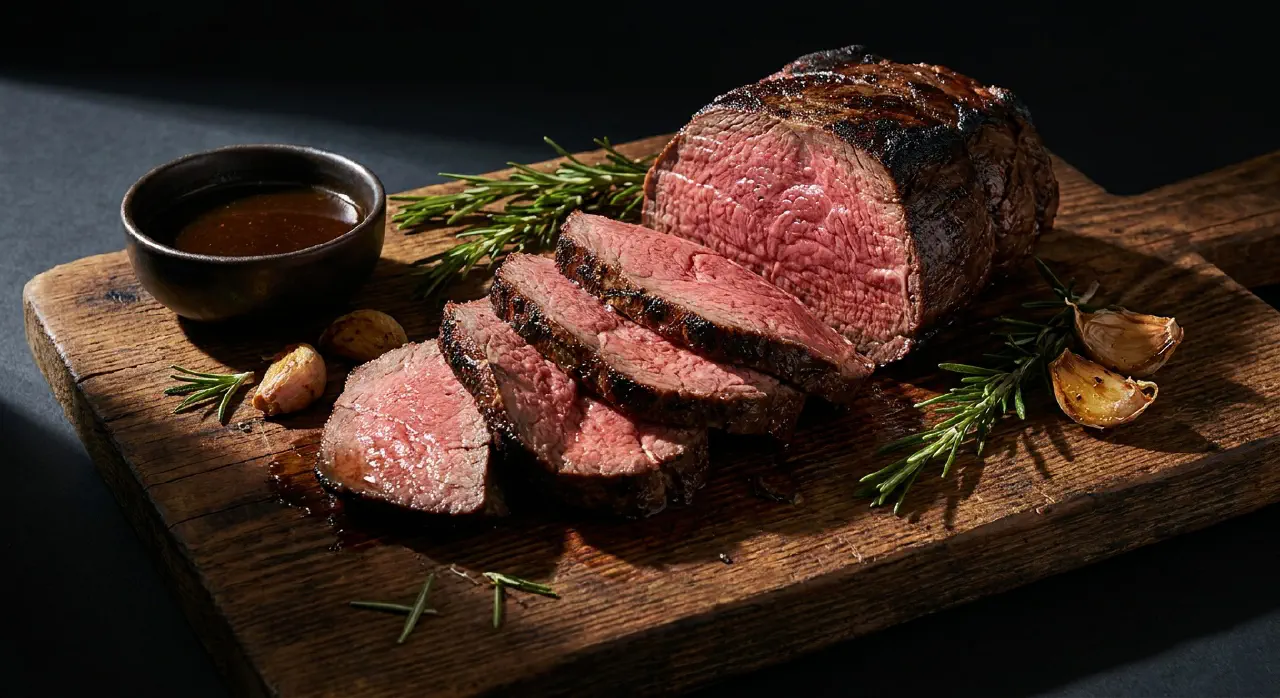
Cooking meat has four purposes: safety (killing pathogens), digestibility (denaturing proteins for easier enzymatic access), flavor development (creating hundreds of aromatic compounds via the Maillard reaction and other chemistry), and texture change (transforming raw mushiness into appetizing firmness). The central challenge is that meat’s two protein systems — muscle fibers and collagen — respond to heat in opposite ways.
The texture progression
As meat heats, the texture changes follow a dramatic and non-linear path: