Grilling and Broiling
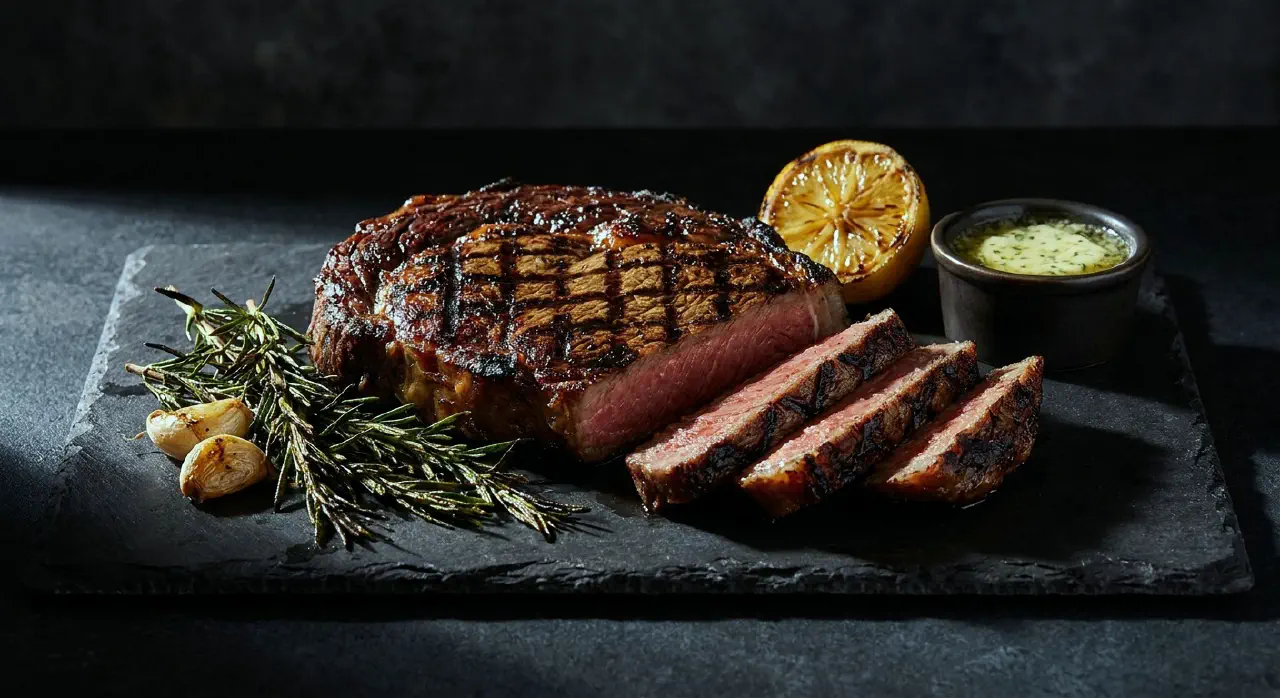
Grilling and broiling are the most intense dry-heat methods - both use infrared radiation to deliver energy directly to the food surface at very high temperatures (400–500°F+ at the grate or element). The difference is directional: grilling heats from below, broiling from above. Both produce rapid surface dehydration, intense Maillard browning, and characteristic flavor development from fat drippings combusting on hot coals or elements.
Heat transfer mechanism
The primary mechanism is infrared radiation - electromagnetic energy emitted by hot coals, heated metal, or gas/electric elements. Radiation travels through air without heating it, delivering energy directly to the food surface. Grilling adds a secondary mechanism: conduction from the hot grill grate, which creates the characteristic seared grill marks.
Broiling is radiation-only (overhead heat, minimal contact). This makes broiling useful for finishing dishes, melting toppings, and quick cooking of thin items where bottom contact is unnecessary.
Why grilling produces distinctive flavor
Surface temperatures reach the grill or broiler temperature range (400–500°F+) within minutes, far above Maillard (~280°F) and caramelization (~330°F) thresholds. The intense heat creates browning flavors rapidly. Fat that drips onto hot coals or elements partially combusts, generating smoky volatiles that rise back onto the food - a secondary flavor pathway absent from oven roasting.
The directional nature of radiation means food browns unevenly - the side facing the heat source gets the most energy. Flipping distributes heat and browning, but there’s always a gradient from the exposed surface inward. Heat conducts through the food to the center, and managing the exterior-to-interior temperature difference is the central challenge: getting a well-browned crust without overcooking the interior.
Practical implications
High heat, thin foods: Grilling and broiling excel for thin cuts (steaks, chops, fish fillets) where the interior cooks through before the surface burns. Thicker items require lower heat or indirect grilling (offsetting food from the heat source) to avoid the raw-center/burnt-exterior problem.
Preheating: Grill grates must reach full temperature before food goes on - cold grates produce weak grill marks and poor searing.
Fat management: Fat drippings cause flare-ups that can char food and deposit bitter combustion products. Managing flare-ups (moving food, adjusting heat) is part of the grilling technique.
See also
- heat-transfer - radiation, conduction, and convection in cooking
- roasting-baking - convection + radiation (oven methods)
- pan-frying - conduction-based browning
- maillard-reaction - browning chemistry
- wood-smoke - smoke flavor compounds
- meat-cooking - doneness, carryover, searing myth
- fish-cooking - fish on the grill