Sauce Making
Sauce Making
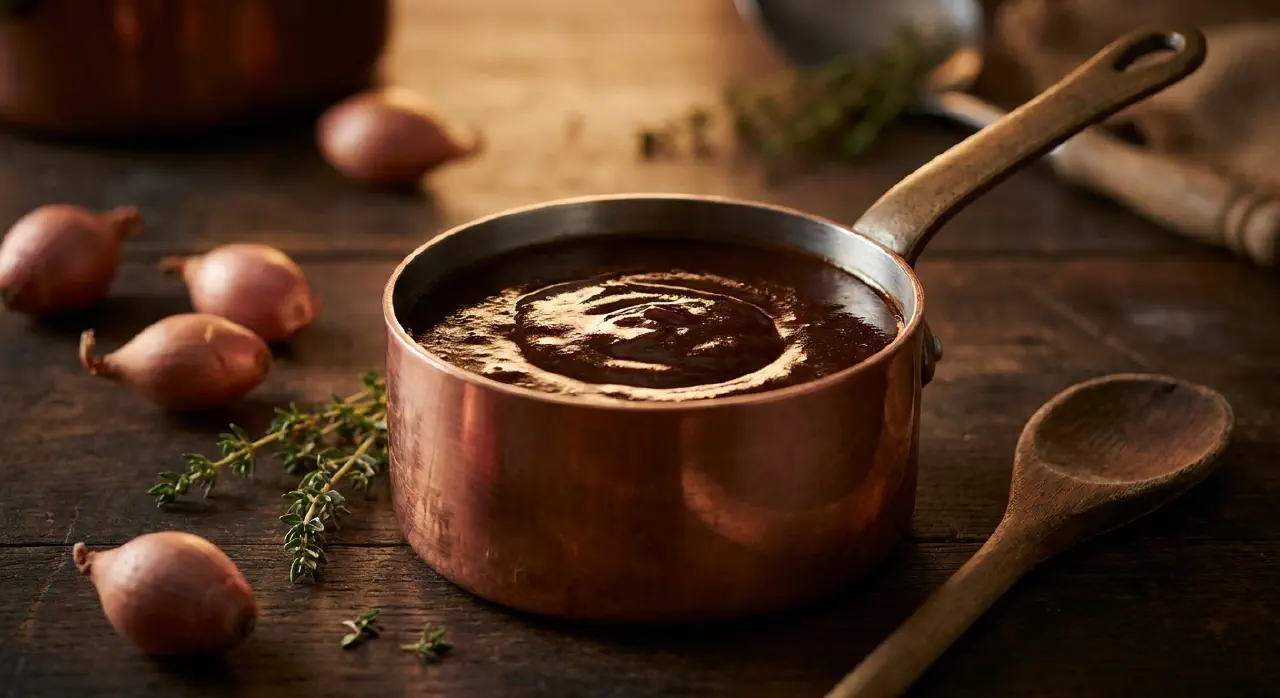
A sauce makes water seem less watery — giving it body, cling, and the ability to carry flavor across the surface of food. Every sauce in every tradition achieves this through one or more of six physical strategies: dissolving gelatin, swelling starch granules, coagulating egg protein, emulsifying fat droplets, suspending plant particles, or trapping gas bubbles in foam. Understanding this taxonomy makes the classical French system (and every other) a set of variations on knowable physics.
Starch Gelatinization
Starch Gelatinization
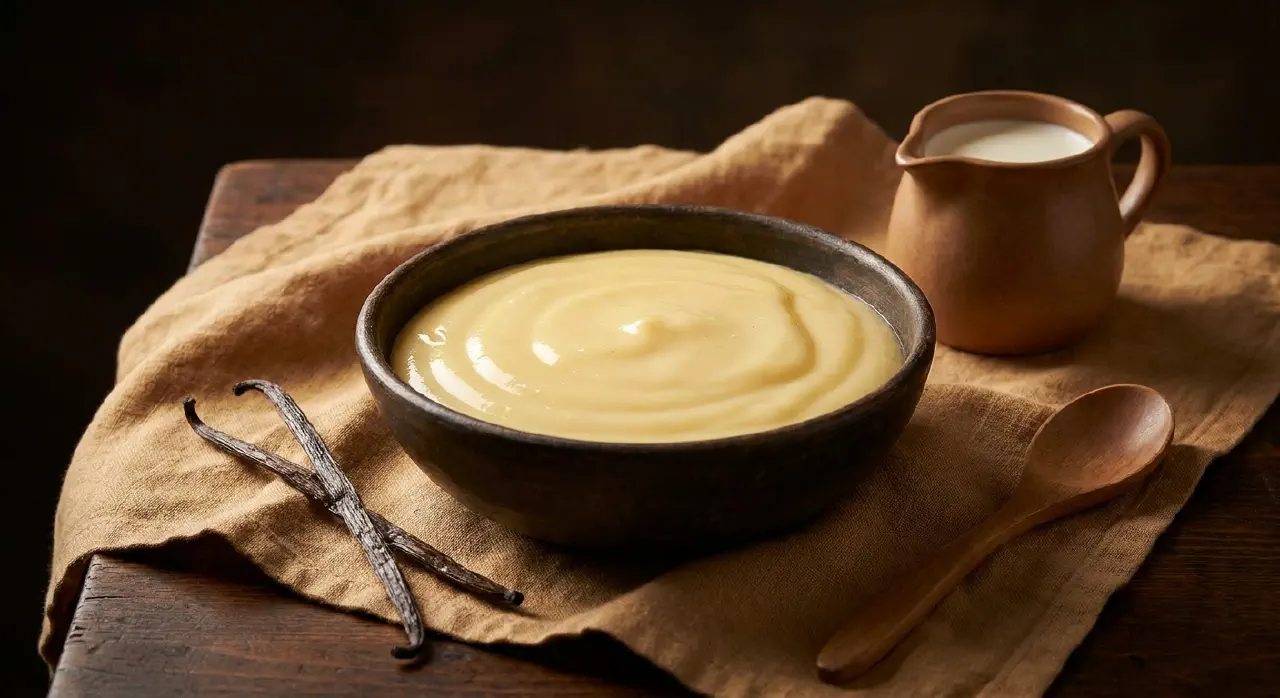
Starch gelatinization is the process by which starch granules absorb water, swell, and release their molecules to thicken a liquid into a gel. It’s the mechanism behind every roux-thickened sauce, every pot of cooked rice, and the structure of bread’s crumb.
What starch is
Starch is a plant’s way of storing energy — compact, unreactive chains of glucose sugars deposited in concentric layers within microscopic granules. Plants build two forms: