Dressings - The Complete Overview
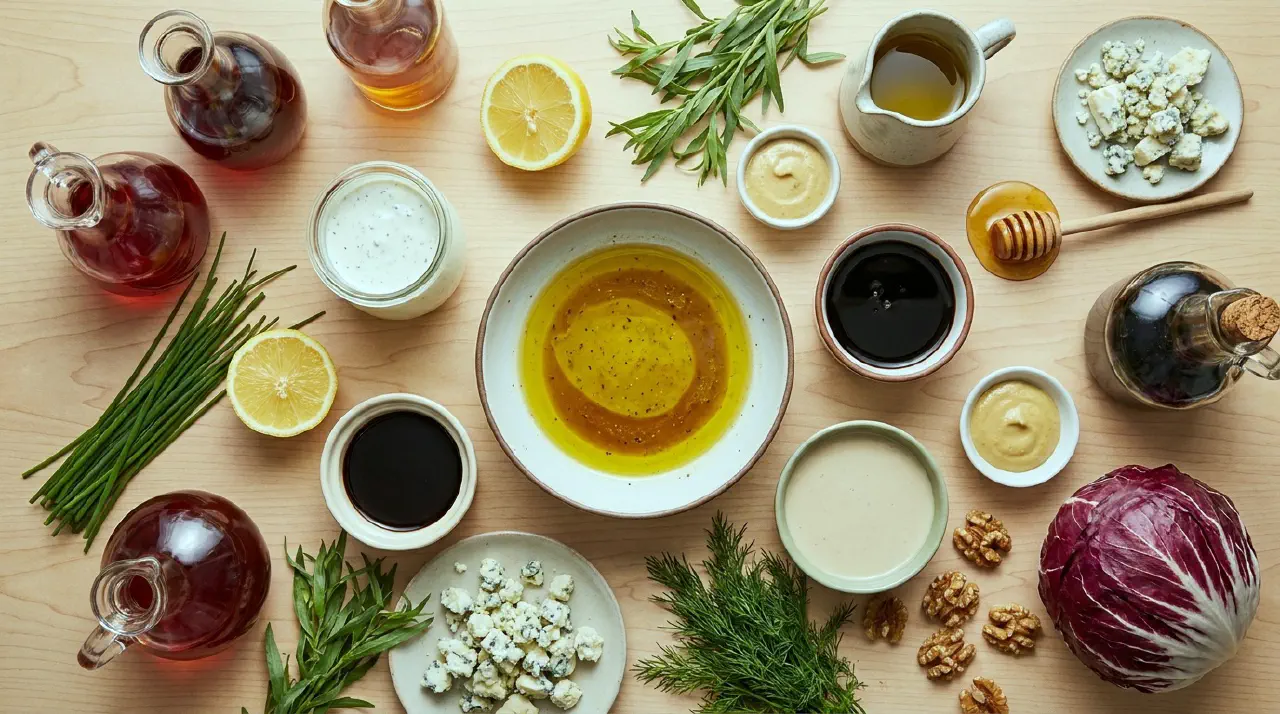
Dressings © kvalifood.com
Dressings are the most conceptually misunderstood category: not simply “thin sauces for salads,” but a distinct paradigm in which fat, acid, and aromatics are calibrated to season and coat a primary ingredient at the moment of consumption - without cooking, marinating, or fundamentally transforming it.
Foundations
The flavor architecture of a dressing balances three elements. Fat carries aroma - fat-soluble flavor compounds define the dressing’s character as much as the acid does. Acid provides brightness and cuts richness. Salt amplifies everything, suppressing bitterness and sharpening savory notes.
A dressing that tastes right on its own may be wrong on the food. Always calibrate by tasting the dressed ingredient, not the dressing in isolation. A dressing for rich protein (duck confit, foie gras) needs more acid to cut fat. A dressing for bitter greens (radicchio, endive) needs more oil to avoid overwhelming already-bitter compounds.
Dressings achieve body through either temporary or stable emulsification. A classic vinaigrette is intentionally unstable - it separates by design, delivering distinct fat and acid sensation on the palate. Creamy dressings use pre-emulsified dairy fats (buttermilk, yogurt, crème fraîche) for inherent stability. Understanding how to dial emulsion stability up or down is the core professional skill in dressing-making.
The Vinaigrette: Architecture of a Temporary Emulsion
Classical vinaigrette is intentionally unstable. Unlike mayonnaise - which achieves a permanent, homogeneous emulsion - vinaigrette separates readily after agitation, and this is by design. The temporal quality of vinaigrette (dress, toss, serve immediately) is precisely what delivers bright, distinct fat and acid sensation on the palate rather than the homogeneous roundness of a stable emulsion. That said, modern dressings often seek greater stability for practical service requirements, and understanding how to dial emulsion stability up or down is essential professional knowledge.
Classic Vinaigrette Ratio:
3 parts oil (or 2:1 for more acid) + 1 part acid (vinegar or citrus) + salt (dissolve in acid first)
On the 3:1 Ratio: The traditional 3:1 oil-to-acid ratio is a starting point calibrated for mild wine vinegar and neutral oil. It is not universal. A dressing for rich protein (duck confit, foie gras terrine) may want 2:1 for assertive acidity to cut fat. A dressing for bitter greens (radicchio, endive) may want 4:1 to avoid overwhelming already-bitter compounds. Always calibrate by tasting the dressed green, not the dressing alone.
Acid Choices and Their Impact
| Acid | pH Range | Flavor Profile | Best Application |
|---|---|---|---|
| Red wine vinegar | ~2.6 | Sharp, tannic, robust | Robust greens, red meat, red onion applications |
| White wine vinegar | ~2.8 | Clean, neutral, slightly floral | Delicate greens, fish, chicken |
| Champagne vinegar | ~2.9 | Light, fine, low tannin | Delicate preparations, seafood, cream dressings |
| Sherry vinegar | ~3.0 | Complex, nutty, oxidative, deep | Rich salads, offal, game, cheese dressings |
| Balsamic (aged) | 3.0-3.5 | Sweet-sour, syrupy, complex | Reduction dressings, strawberries, aged cheeses |
| Apple cider vinegar | ~3.1 | Fruity, soft, slightly sweet | Coleslaw, pork, autumnal preparations |
| Lemon juice | ~2.3 | Bright, floral, volatile | Anywhere freshness is paramount; add last |
| Rice vinegar | ~3.2 | Mild, slightly sweet, neutral | Asian-style preparations, delicate herbs |
Stabilizing Vinaigrettes
For service applications requiring a stable dressing (bottled service, composed plates where weeping is unacceptable), the following stabilizers are available in increasing order of emulsification strength:
- Mustard: Dijon mustard’s sinigrin compounds provide meaningful stabilization; 1 tsp per 100 ml dressing significantly extends stability.
- Garlic paste: Crushed garlic cells release emulsifying proteins; whole garlic contributes flavor without stability.
- Honey or maple syrup: The polysaccharides in these sweeteners act as mild stabilizers by increasing water-phase viscosity, reducing droplet mobility.
- Egg yolk: A partial yolk (5-8 g) creates a semi-stable emulsion approaching gribiche or creamy dressing territory - appropriate for dressings that are meant to cling heavily to leaves.
- Lecithin (soy or sunflower): ~0.5% by weight creates fully stable emulsions with no flavor contribution. Standard in professional bottled dressings.
- Xanthan gum: ~0.1-0.2% creates viscosity that holds emulsified droplets in suspension indefinitely without affecting flavor.
Fat Selection in Dressings
Oil is not neutral in dressings - it is an aromatic carrier. Fat-soluble flavor compounds (polyphenols in extra-virgin olive oil, roasted sesame’s pyrazines, walnut’s omega-3-derived aldehydes) define the dressing’s character as much as the acid component does. Understanding fat stability matters: highly polyunsaturated oils (walnut, flaxseed) oxidize rapidly at room temperature and should be used the day of preparation or stored under refrigeration in sealed containers.
| Oil | Flavor | Stability | Applications |
|---|---|---|---|
| Extra-virgin olive oil | Fruity, peppery, bitter (polyphenols) | Good (monounsaturated) | Mediterranean, herb-based dressings |
| Neutral (grapeseed, sunflower) | Clean, absent | Good-Moderate | When other flavors should dominate; emulsion base |
| Walnut oil | Rich, nutty, aromatic | Poor (polyunsaturated) | Endive, bitter greens, cheese; use fresh |
| Sesame oil (toasted) | Intensely roasted, nutty | Moderate | Asian preparations; use in small proportion alongside neutral oil |
| Avocado oil | Subtle, buttery, clean | Very good (monounsaturated) | Neutral applications; tolerates brief mild heat |
| Hazelnut oil | Roasted, sweet, distinctive | Poor (polyunsaturated) | Fruit salads, bitter greens, cheese; use fresh |
Creamy and Dairy-Based Dressings
When buttermilk, crème fraîche, sour cream, tahini, or yogurt replace oil as the fat base, the emulsification paradigm shifts - these dairy fats are pre-emulsified by casein proteins and phospholipids, so the dressing begins with inherent stability. The flavor logic also changes: dairy fat contributes creaminess and mild acidity (from fermentation) but relatively little aromatic complexity. Herbs, alliums, and fermented elements (blue cheese, miso, fermented chili) become the primary flavor drivers.
Flavor Balance Diagnostics
When a dressing tastes “almost right” but something is missing, this framework identifies the gap:
| Symptom | Likely Deficiency | Remedy |
|---|---|---|
| Flat, lifeless | Salt (primary amplifier) | Add salt incrementally; also check acid |
| One-dimensional, monotone | Acid | Small addition of acid lifts and separates flavors |
| Harsh, sharp, aggressive | Sweetness or fat | Pinch of sugar or additional fat to round |
| Rich but heavy, cloying | Acid | A few drops of citrus or vinegar cuts richness immediately |
| Correct taste but no aroma | Volatile aromatics | Fresh herbs, citrus zest, finishing oil - anything added off heat |
| Aromatic but watery | Savory depth (umami) | Reduced stock, soy sauce, parmesan rind, anchovy, miso |
| Correct but texturally thin | Body / viscosity | Reduction, butter mounting, starch slurry - choose based on flavor goals |
Dressings Around the World
Asia
Pan-Asian / Cross-Regional
- Sesame Paste/Sauce - Thick paste from ground toasted sesame seeds, used as base for cold noodle sauces, hotpot dipping, and salad dressings in China (zhima jiang), Japan (goma dare), and Korea. Paste is store-bought; sauce is mixed fresh.
China
- Sesame Paste Sauce (麻酱, májiàng) - Toasted sesame seed paste thinned with soy, vinegar, and/or chili oil. Dressing for cold noodles (liang mian, liang pi), hotpot dipping sauce, and cold vegetable dishes. Paste is store-bought; the sauce is mixed fresh at home or at the table.
Japan
- Ponzu (ポン酢) - Citrus-based sauce made with soy sauce, rice vinegar, mirin, dashi, and yuzu (or other citrus) juice. Used as dipping sauce for shabu-shabu, sashimi, grilled fish, and as salad dressing. Both - often mixed at home from soy, mirin, and citrus, but bottled versions widely sold.
- Wafu Dressing (和風ドレッシング) - “Japanese-style” vinaigrette of soy sauce, rice vinegar, oil, and grated onion or ginger. The standard salad dressing in Japan. Both - mixed at home or bought bottled.
- Goma Dare / Sesame Dressing (ごまだれ) - Thick sesame sauce of toasted sesame paste, soy, vinegar, mirin, and sometimes miso. Used as shabu-shabu dipping sauce and salad dressing. Both - mixed at home from sesame paste, or bought bottled.
Vietnam
- Nuoc Cham (Nước Chấm) - The quintessential Vietnamese dipping sauce: fish sauce, lime juice, sugar, garlic, and chilies diluted with water. Used with spring rolls, grilled meats, vermicelli bowls, and as salad dressing. Regional variations exist (north uses pork broth, south uses coconut water and palm sugar). Made fresh - mixed to order at home or at the table.
Indonesia
- Bumbu Kacang (Peanut Bumbu) - Cooked peanut sauce for gado-gado (boiled vegetable salad) and pecel. Thicker and more complex than satay sauce, with kencur (galangal-like root), tamarind, and palm sugar. Homemade - cooked from ground peanuts and spices.
Myanmar (Burma)
- Pickled Tea Leaf Dressing (Laphet Thoke Sauce) - Dressing for laphet thoke (tea leaf salad): fish sauce, lime juice, garlic oil, and sometimes peanut oil. Mixed with fermented tea leaves, fried garlic, peanuts, sesame, and dried shrimp. Made fresh - mixed from fish sauce, lime, and garlic oil.
Europe
Pan-European / Shared Across Multiple Countries
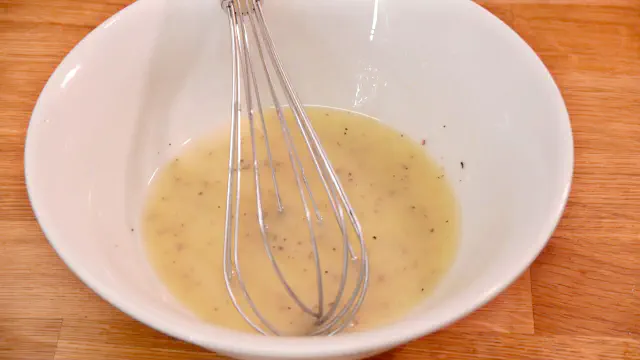
- Vinaigrette - Emulsion of oil and vinegar (typically 3:1), often with mustard, shallots, and herbs. The default salad dressing across France, Italy, Spain, and most of Europe. Made fresh.
France
- Sauce Ravigote - Vinaigrette base with chopped shallots, capers, and fresh herbs (chives, chervil, tarragon). For cold meats. Never contains mayonnaise in France. Made fresh.
Greece
- Ladolemono - Simple emulsion of olive oil and lemon juice, often with oregano. The default dressing for grilled fish, meat, and salads. Made fresh.
- Latholemono me Rigani - Olive oil, lemon juice, and dried oregano. The standard dressing for Greek salad and grilled dishes. Made fresh.
Austria
- Kürbiskernöl-Dressing (Pumpkin seed oil dressing) - Styrian pumpkin seed oil with vinegar. The distinctive dark green oil is drizzled over salads and soups. Made fresh.
United Kingdom
- Salad Cream - A tangy, yellow, mayonnaise-like dressing with vinegar and mustard. A distinctly British product, lighter and sharper than mayonnaise. Store-bought.
Turkey
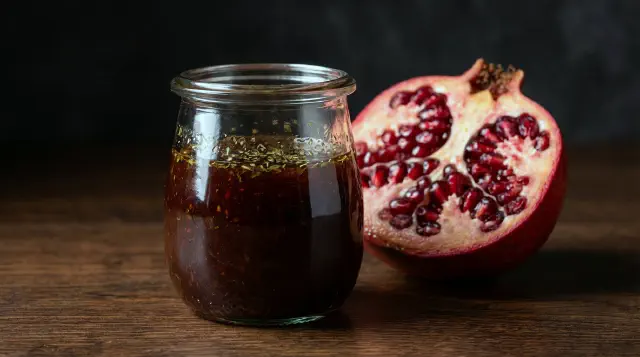
- Nar Ekşili Sos (Pomegranate sauce) - Pomegranate molasses-based dressing with olive oil. Used on salads, grilled meats, and as a dipping sauce. Homemade.
Americas
Argentina
- Salsa Golf - Argentine invention (attributed to Nobel laureate Luis Federico Leloir): a mix of mayonnaise and ketchup, sometimes with a dash of lemon and cognac. Served with seafood, fries, and cold appetizers. Made fresh.
Brazil
- Molho Rosé (Salsa Rosada) - Brazilian version of cocktail sauce: mayonnaise, ketchup, and a splash of orange juice or cognac. Served with shrimp, salads, and cold appetizers. Made fresh.
Colombia
- Salsa Rosada - Mayo-ketchup blend (like Argentine salsa golf), often with a squeeze of lime. Served with fried foods, hot dogs, hamburgers, and salchipapas (fries with sausage). Made fresh.
United States
- Ranch Dressing - Buttermilk-based creamy dressing with garlic, onion, dill, and herbs. Invented in the 1950s on a California dude ranch. America’s best-selling salad dressing and most popular dipping sauce (for pizza, wings, vegetables, everything). Both.
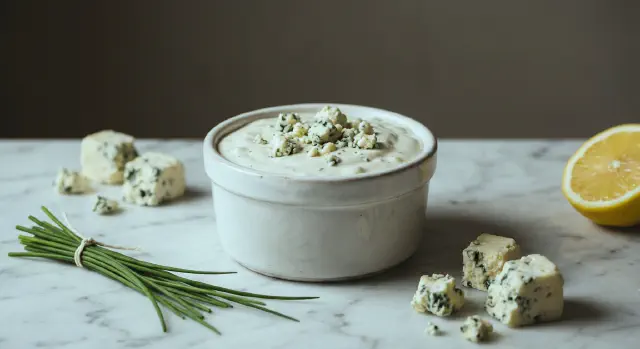
- Blue Cheese Dressing - Creamy dressing of blue cheese, buttermilk, mayonnaise, sour cream, and vinegar. The original and “correct” accompaniment to Buffalo wings; also used on salads and as a dip. Both.
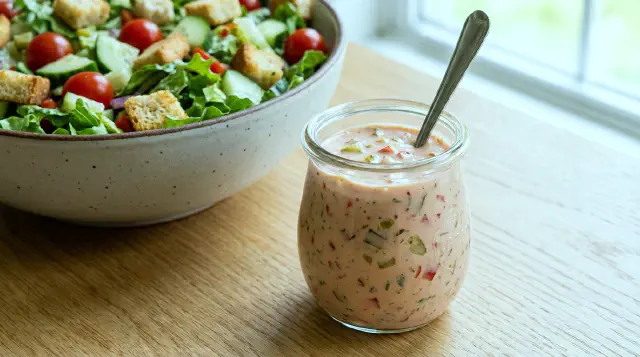
- Thousand Island Dressing - Mayonnaise-ketchup base with sweet pickle relish, onion, and sometimes hard-boiled egg. Created in the Thousand Islands region of New York. Used on salads and as the classic Reuben sandwich spread. Both.
- Russian Dressing - Despite the name, invented in New Hampshire around 1910. Mayonnaise and ketchup/chili sauce with horseradish, pimentos, and chives. Piquant and pink, similar to but distinct from Thousand Island. Both.
- Comeback Sauce - Mississippi’s signature dip: mayonnaise, chili sauce, ketchup, Worcestershire, hot sauce, garlic, and onion. Described as the “offspring of Thousand Island and rémoulade.” Served with fried food and as a salad dressing in Jackson, MS. Homemade.
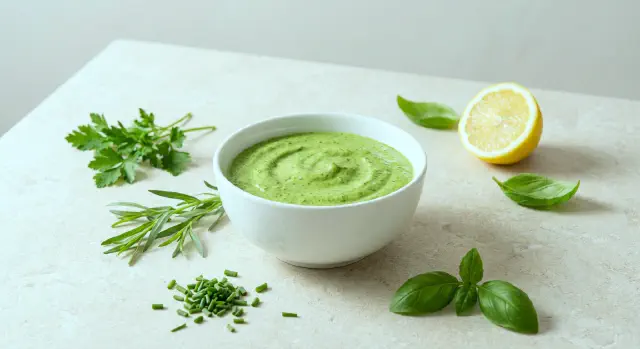
- Green Goddess Dressing - Created in 1923 at the Palace Hotel in San Francisco: mayonnaise, anchovies, tarragon, chives, parsley, scallions, and vinegar. Herby, tangy, and bright green. Enjoyed a major revival in the 2020s. Homemade.
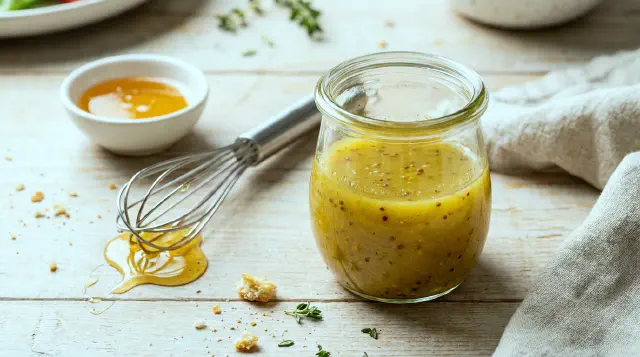
- Honey Mustard - Equal parts honey and prepared mustard (Dijon or yellow), sometimes thinned with vinegar or mayo. Used as a dip for chicken tenders, a salad dressing, and a glaze. Both.
Middle East & North Africa
Regional / Cross-Border
- Tahini Sauce (Tarator / Tahina) - Sesame paste thinned with lemon juice, garlic, and water into a pourable sauce. The universal companion to falafel, shawarma, grilled meats, and fish across the entire region from Morocco to Iran. Made fresh.
- Za’atar-and-Oil (Zeit wa Za’atar) - Dried za’atar blend (thyme, sumac, sesame) mixed with olive oil as a dip for bread or drizzled on flatbreads, labneh, and eggs. Daily breakfast staple across the Levant and Palestine. Both.
- Sumac-Onion Dressing - Sliced onions slow-cooked in generous olive oil with copious sumac until sweet-tart and jammy. The signature flavoring of Palestinian musakhan and used as a dressing across the Levant. Made fresh.
Tunisia
- Kerkennaise - Sauce from the Kerkennah Islands made with capers, olive oil, tomato, scallions, coriander, caraway, cumin, parsley, garlic, and white vinegar. Typically served with fish. Homemade.
Egypt
- Tahina Sauce (Egyptian-style) - Egyptian tahini sauce is thinner and more lemony than Levantine versions, made with tahini, lemon juice, garlic, and water. Drizzled over foul medames, ta’ameya (falafel), grilled fish, and salads. Made fresh.
Lebanon
- Tarator (طراطور) - Tahini-based sauce with garlic and lemon, thinner and more pourable than hummus. The essential sauce for beef/lamb shawarma, falafel, and fried fish. Thinned further, it becomes a salad dressing. Made fresh.
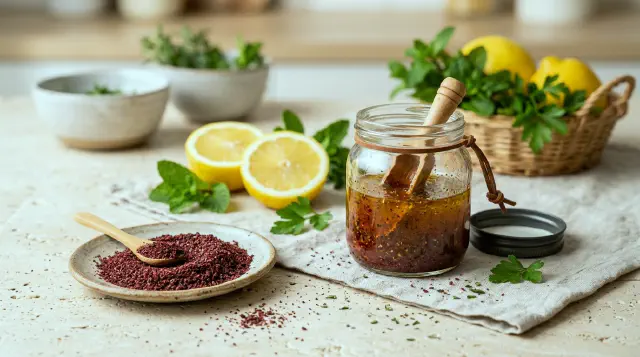
- Fattoush Dressing - Bright vinaigrette of olive oil, lemon juice (or pomegranate molasses), sumac, and sometimes garlic. Defines the famous bread salad. The sumac gives it a distinctive sour-berry tang. Restaurant and home standard. Made fresh.
Syria
- Dibs Rumman Dressing - Pomegranate molasses whisked with olive oil, garlic, and sometimes dried mint or sumac. Used as a salad dressing and marinade for kebabs. Syria is one of the primary homes of pomegranate molasses production. Made fresh.
Israel / Palestine
- Tahini (Tahina) - Described as appearing “on everything” in Israel. Poured over falafel, shawarma, hummus, salads, roasted vegetables, and even desserts (with date syrup). Arguably the single most important condiment in Israeli-Palestinian cuisine. Made fresh.
Directions
See Also
Blue Cheese Dressing
Cold Sauces - The Complete Overview
Dibs Rumman Dressing (Pomegranate Molasses Vinaigrette)
Fattoush Dressing (Lebanese Sumac Vinaigrette)
Green Goddess Dressing
Honey Mustard Vinaigrette Dressing
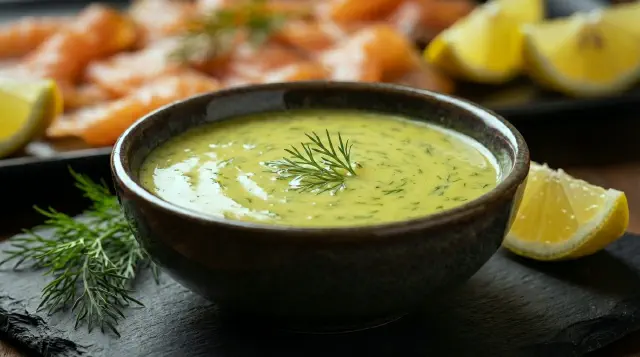
Hovmastarsas (Dill-Mustard Dressing)
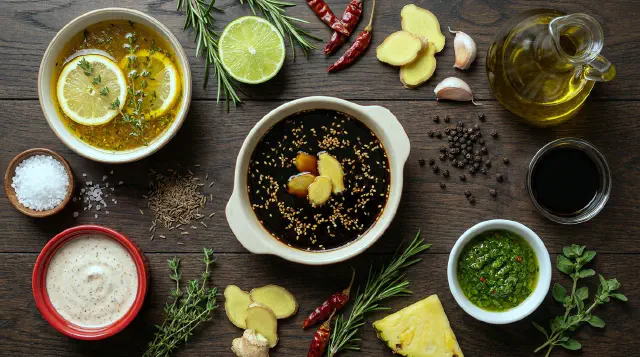
Marinades - The Complete Overview
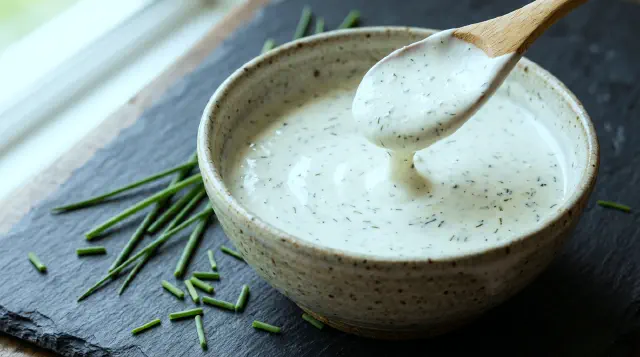
Ranch Dressing
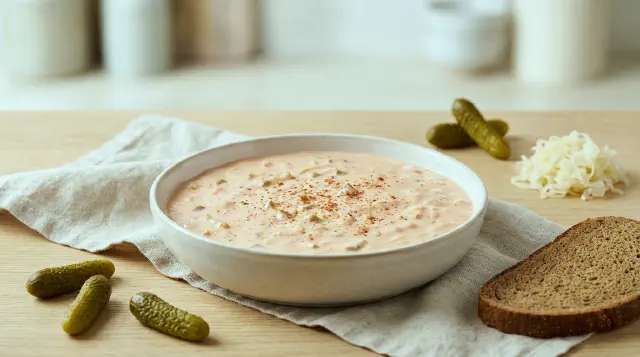
Russian Dressing
Thousand Island Dressing
Vinaigrette - oil and vinegar dressing