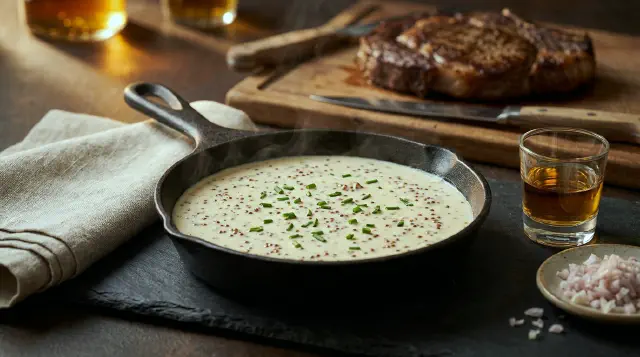
Warm Sauces - The Complete Overview
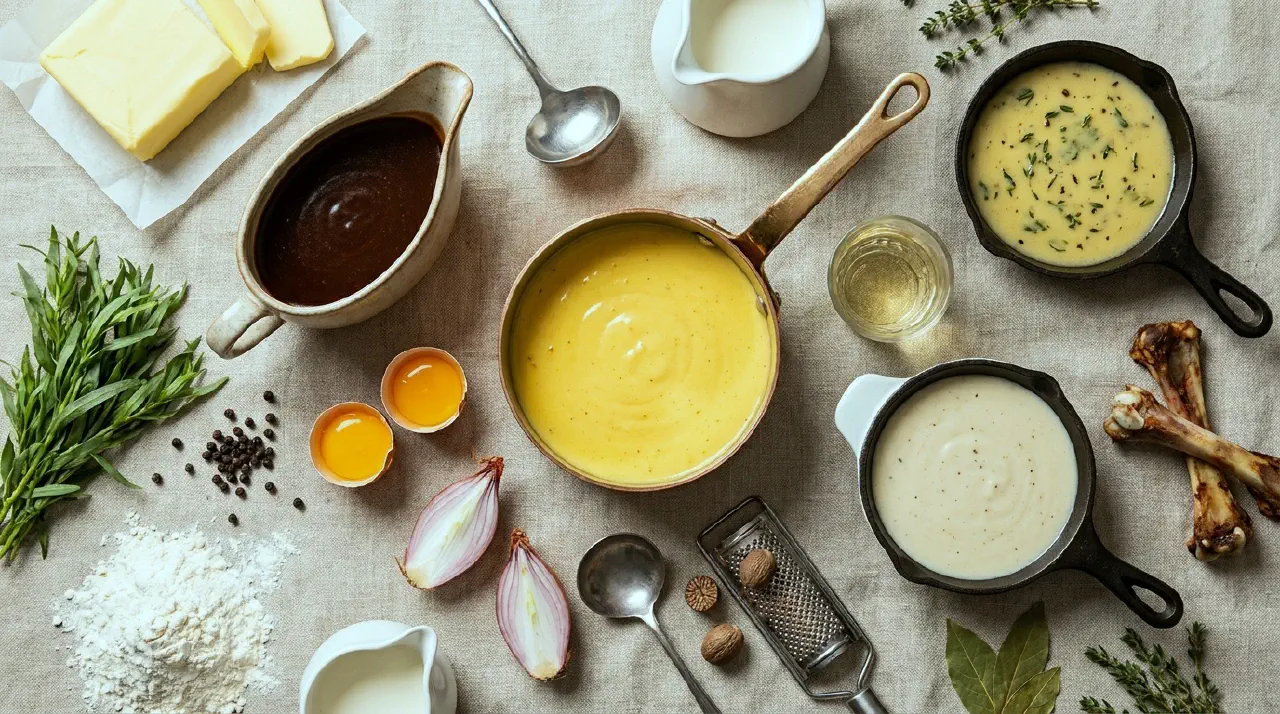
Warm sauces © kvalifood.com
The classical core of European sauce tradition. Heat transforms, extracts, emulsifies, and concentrates - but also destroys. Control of temperature is the defining discipline of warm sauce-making.
Foundations
Every sauce operates on two sensory registers simultaneously. Taste - perceived on the tongue through salt, sweet, sour, umami, and bitter - supplies the structural backbone. Smell - carried primarily by fat-soluble aroma molecules perceived retronasally - completes the flavor. A sauce tasted on its own should seem too intense. It is consumed in small quantities alongside food, and the combined system must achieve balance.
Food Science: Salt and sugar both amplify aromatic perception - salt suppresses bitterness and sharpens savory notes; sugar enhances the release of sweet-register aromatics. This is why a sauce that tastes “flat” despite correct acidity and seasoning often needs not more acid or salt, but a small quantity of sugar to lift the aromatic register.
Warm sauces achieve body through several thickening strategies, each with tradeoffs:
| Method | Mechanism | Key Consideration |
|---|---|---|
| Gelatin / protein | Collagen from bones melts into gelatin chains that immobilize water | Thickening power proportional to collagen extracted; fish gelatin melts below 70°F (20°C) |
| Starch | Swollen starch granules block water flow; gelatinize at ~150-160°F (65-70°C) | Starch dilutes flavor - always adjust seasoning after thickening |
| Emulsification | Emulsifier molecules stabilize oil-in-water droplets; droplets impede flow | Stability is thermodynamically unfavorable - the system always wants to separate |
| Reduction | Evaporation concentrates gelatin, sugars, and proteins | Volatile aromatics also evaporate - finish with fresh aromatics after reduction |
| Fat / cream | Concentrated fat globules impede flow; proteins contribute viscosity | Heat + acid causes casein in milk/cream to curdle; only heavy cream and crème fraîche tolerate acidity |
The European warm sauce tradition was formalized by Carême and Escoffier in the 19th century, who organized sauces into mother sauces and their derivatives. Nouvelle cuisine in the 1960s-80s shifted emphasis from heavy flour-thickened sauces toward lighter reductions, cream, butter, and vegetable purées.
Stock-Based Sauces: The Extraction Paradigm
The flavor depth of classical French brown and white sauces derives entirely from the quality of the stock beneath them. Stock is not a backdrop - it is the sauce’s fundamental flavor structure. Understanding extraction science is therefore primary.
Gelatin Extraction
Collagen - the dominant protein in connective tissue - melts into gelatin when subjected to sustained heat. This is not a simple melting: collagen’s tightly wound triple helix must first unwind, a process requiring both temperature and time. A standard 8-hour extraction releases approximately 20% of total available bone gelatin. Double-stocking (extracting fresh bones with the first stock instead of water) dramatically amplifies both gelatin content and savory amino acid concentration.
| Metric | Value | Note |
|---|---|---|
| Single stock gelatin yield | ~20% | of total available bone gelatin |
| Glace de viande reduction | 1/10 | final volume; ~25% gelatin by weight |
| Fish stock: max extraction time | < 1 hr | beyond this: chalky, cloudy, bitter |
| Fish gelatin sets at | below 70°F (20°C) | far below mammal gelatins (~85°F / 30°C) |
Food Science - Fish Stocks: Fish collagen is far less cross-linked than mammal or bird collagen, which is why fish gelatin melts at temperatures well below body heat. Cold-water fish collagen begins dissolving around 50°F (10°C); warm-water fish around 75°F (25°C). The practical result is that fish sauces thickened with fish gelatin will lose body rapidly at warm room temperature - they must be served promptly and hot, or cold enough to maintain gel structure.
Reduction and Concentration
Reduction is not simply “boiling away water.” As volume decreases, gelatin concentration increases non-linearly, creating progressively stickier consistency. More critically, volatile aroma molecules evaporate along with water - heavily reduced sauces tend toward flat, sweet, caramelized character rather than the bright aromatics of the original stock. Classical demi-glace mitigates this by including starch (which spares some stock from excessive boiling) and by finishing with fresh aromatics. Contemporary pan sauces exploit reduction at high heat in the pan itself: successive small additions of stock, each reduced to a syrup, build layers of browned flavor far more efficiently than bulk reduction.
Technique: When making a pan sauce by successive reduction, keep pan temperature high enough that each stock addition immediately sizzles. The goal is not to reduce volume but to encourage Maillard re-browning of the fond with each addition - this is the mechanism that builds depth and color that simple reduction cannot achieve.
Roux and Starch-Thickened Sauces
Roux - equal parts flour and fat cooked together - gelatinizes starch granules and pre-disperses them in fat, preventing the lumping that raw flour would cause in liquid. The degree of cooking determines both color and thickening power: a white roux has maximum thickening capacity (starch granules intact); a dark roux has minimum thickening capacity but maximum flavor (many starch chains broken down by heat). This is why a dark gumbo roux must be used in greater quantity than a pale béchamel roux to achieve comparable body.
| Roux Color | Cooking Time | Thickening Power | Flavor Character | Primary Application |
|---|---|---|---|---|
| White | 2-3 min | Maximum | Neutral, starchy | Béchamel, velouté |
| Blond | 5-7 min | High | Lightly nutty | Classic velouté, gravies |
| Brown | 12-20 min | Moderate | Nutty, toasted | Espagnole, some gravies |
| Dark (brick) | 30-45 min | Low | Rich, complex, slightly bitter | Cajun gumbo, mole negro base |
Critical Point: All starch thickeners dilute flavor - this is an inherent chemical reality, not a flaw in technique. After thickening any sauce with starch, acidity, saltiness, and aromatic concentration must all be rechecked and adjusted. What tasted properly seasoned before thickening will taste flat after.
Emulsion Sauces: The Science of Suspension
Emulsification is the process of suspending one immiscible liquid within another - typically oil droplets within a water phase - and preventing them from re-coalescing. The thermodynamic tendency is always toward separation; emulsions are held together purely by kinetics. Understanding this makes the difference between a cook who “feels” when an emulsion is about to break and one who is perpetually surprised.
How Emulsifiers Work
Emulsifier molecules are amphipathic: one end is hydrophilic (attracted to water), the other lipophilic (attracted to fat). They arrange at the oil-water interface, with hydrophilic heads pointing outward into the water phase and lipophilic tails embedded in each fat droplet. This molecular coat prevents droplets from recognizing each other as compatible and coalescing. Egg yolk is the kitchen’s primary emulsifier source - its phospholipids (principally lecithin) and proteins together can emulsify approximately 150 ml oil per yolk. Mustard contributes additional emulsifying compounds; this is not merely a flavoring role.
Food Science - Emulsifier Capacity: The limit of “one yolk to 150 ml oil” is a real molecular constraint: when all available emulsifier surface area is occupied by droplet coatings, additional oil cannot be incorporated and the emulsion will break catastrophically. In professional contexts where large-batch mayonnaise or hollandaise is made, this ratio must be observed arithmetically, not estimated by eye.
Hollandaise and Béarnaise
These are hot egg-butter emulsions - uniquely demanding because the emulsifier (egg yolk protein) is simultaneously the thing being cooked. The working temperature window is approximately 140-160°F (60-70°C): warm enough to partially denature egg proteins (which creates the structure that traps butter droplets) but not so hot that full coagulation occurs (which destroys emulsifying capacity and produces scrambled egg). Most experienced cooks perform the initial sabayon stage over a bain-marie rather than direct heat precisely to keep this window manageable.
| Temperature | Effect |
|---|---|
| 140-160°F (60-70°C) | Safe working window for hot egg emulsions. Proteins partially unfold and trap butter. |
| Above 160°F (70°C) | Proteins begin coagulating. Sauce will appear grainy before full break. |
| 135°F (58°C) | Beurre blanc separation threshold. Exceeding this releases free butterfat. |
| Below 135°F (58°C) | Safe holding temperature for all hot butter emulsions. |
Rescuing Broken Emulsions
Two distinct rescue scenarios exist and require different approaches. If the emulsion broke from oil added too fast (emulsifier not overwhelmed, merely disorganized), mechanical rescue with a blender or immersion blender is effective - the shear force re-breaks oil into fine droplets and gives emulsifier molecules time to recoat them. If the emulsion broke from overheating (proteins coagulated, emulsifier capacity permanently lost), the only rescue is chemical: begin with a fresh yolk in a clean bowl, and slowly beat the broken sauce into it. This creates a new emulsion with sufficient fresh emulsifier to reincorporate the existing butter. Strain first if grainy protein particles are visible - they will not reintegrate and create unpleasant texture.
Beurre Blanc and Butter-Mounted Sauces
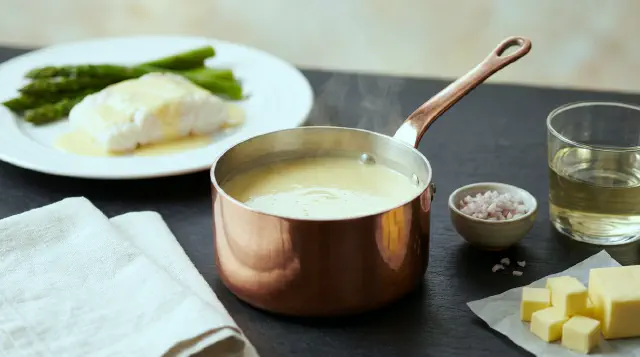
Beurre blanc is a metastable emulsion of butter’s own water phase and butterfat, stabilized by the phospholipids and proteins naturally present in whole butter. It is notably less stable than egg-based emulsions - separation begins above approximately 135°F (58°C) - but is more forgiving than it appears. Adding a small quantity of cream to the initial reduction dramatically increases stability by contributing casein proteins as additional emulsifiers; this is standard restaurant practice.
Butter-mounted pan sauces (monter au beurre) exploit a related but distinct mechanism: cold butter pieces whisked off heat into a warm reduction create a semi-emulsified, glossy sauce that coats the back of a spoon. The butterfat here is only partially emulsified - more important than the emulsion structure is the thixotropic quality of partially crystallized butter fat, which contributes viscosity at serving temperature.
Cream-Based Sauces
Cream’s role in sauce-making extends far beyond flavor. Fat globule concentration determines thickening behavior: whole milk (4% fat) provides minimal body; heavy cream (38%+ fat) reduces to a paste-like consistency at 50% reduction, making it the most powerful non-starch thickener in the classical repertoire. The key variable for reliability is casein protein behavior under acid and heat.
- Light cream and sour cream curdle when combined with wine, vinegar, or lemon juice at cooking temperatures - their casein content is too high. They must be added at the last moment without returning to heat.
- Heavy cream and crème fraîche contain negligible casein - they can be cooked vigorously with acidic ingredients. Crème fraîche has the additional advantage of being pre-acidified by fermentation, which contributes complexity without destabilizing the fat globule structure.
Egg-Thickened Sauces
Egg proteins - particularly those in the yolk - thicken sauces by partial coagulation rather than emulsification. The crème anglaise method (eggs whisked into a hot liquid, returned to gentle heat and stirred continuously) relies on the gradual unfolding and cross-linking of yolk proteins from roughly 165-180°F (75-82°C). The upper limit is critical: at 180-185°F (83-85°C) the sauce will scramble irreversibly. The acid component in classic dessert custards is protective - acids partially denature proteins and widen the working window. Liaison (yolk + cream blended into a sauce off heat) exploits the same principle for savory applications, adding both viscosity and richness.
Flavor Balance Diagnostics
When a sauce tastes “almost right” but something is missing, this framework identifies the gap:
| Symptom | Likely Deficiency | Remedy |
|---|---|---|
| Flat, lifeless | Salt (primary amplifier) | Add salt incrementally; also check acid |
| One-dimensional, monotone | Acid | Small addition of acid lifts and separates flavors |
| Harsh, sharp, aggressive | Sweetness or fat | Pinch of sugar or additional fat to round |
| Rich but heavy, cloying | Acid | A few drops of citrus or vinegar cuts richness immediately |
| Correct taste but no aroma | Volatile aromatics | Fresh herbs, citrus zest, finishing oil - anything added off heat |
| Aromatic but watery | Savory depth (umami) | Reduced stock, soy sauce, parmesan rind, anchovy, miso |
| Correct but texturally thin | Body / viscosity | Reduction, butter mounting, starch slurry - choose based on flavor goals |
Warm Sauces Around the World
Asia
Pan-Asian / Cross-Regional
- Oyster Sauce - Thick, sweet-salty sauce made from oyster extracts, soy sauce, and sugar. Used in stir-fries and as condiment across Chinese, Thai, Vietnamese, and other Southeast Asian cuisines. Restaurant and home kitchen standard. Store-bought.
China
- Dark Soy Sauce (老抽, lǎo chōu) - Thicker, less salty, and slightly sweet soy sauce used mainly for color in braised dishes and stir-fries. Store-bought.
- Doubanjiang (豆瓣酱) - Fermented broad bean and chili paste, the “mother sauce” of Sichuan cuisine. Salty, deeply savory, and spicy. Key ingredient in mapo tofu, twice-cooked pork, and many Sichuan dishes. Store-bought (fermented 1–3 years by specialist producers).
- XO Sauce - Luxury Hong Kong condiment (invented 1980s) made from dried scallops, dried shrimp, Chinese cured ham, chili, and garlic, fried in oil. Used as stir-fry sauce or condiment for noodles and rice. Both homemade and store-bought - originated as a restaurant signature, now also sold in jars.
- Char Siu Sauce (叉烧酱) - Sweet, sticky Cantonese barbecue sauce of hoisin, soy, five-spice, honey, and garlic. Used to marinate and glaze char siu pork, chicken wings, and ribs. Both - often mixed at home from pantry ingredients, but bottled versions widely sold.
- Shacha Sauce (沙茶酱) - Savory paste of dried shrimp, brill fish, garlic, shallots, chilies, and spices. Used as hotpot dipping sauce, stir-fry base, and meat rub. Originated in Fujian/Chaoshan; daily staple in southern China and Taiwan. Store-bought (Bull Head brand is the standard).
- Sweet Bean Sauce (甜面酱, tián miàn jiàng) - Thick, sweet-savory paste from fermented wheat flour. Key sauce in zha jiang mian (Beijing fried sauce noodles) and wraps. Store-bought.
- Chee Hou Sauce (柱侯酱) - Cantonese fermented soybean sauce with salted plums, preserved lemons, and fermented tofu. Used for braised meats and stews. Store-bought.
- Sweet and Sour Sauce (糖醋汁) - Combination of rice vinegar, sugar, and ketchup or tomato, often with soy sauce. Used on pork, fish, and vegetables. Origins in Hunan province. Made fresh - mixed to order in the wok.
- Ground Bean Sauce (磨豉酱) - Made from fermented yellow soybeans and spices, less sweet than hoisin. Used in Cantonese marinades, stir-fries, and braised dishes. Store-bought.
- Yu Xiang Sauce (鱼香酱汁) - “Fish-fragrant” sauce from Sichuan: doubanjiang, vinegar, sugar, soy, ginger, garlic, and scallions. Despite the name, contains no fish. Used on eggplant, pork, and shrimp. Made fresh - built in the wok from pantry ingredients.
Japan
- Teriyaki Sauce (照り焼き) - Sweet-salty glaze of soy sauce, mirin, sake, and sugar. Used to glaze grilled or broiled fish, chicken, and meats. The word means “shining grill.” Both - simple to mix at home from pantry ingredients, but bottled versions common.
- Tare Sauce (タレ) - General term for soy-mirin-sake based glazing sauce. Used in yakitori, yakiniku, teriyaki, and with sushi. Many regional and restaurant-specific variations. Both - restaurants make their own, home cooks often buy bottled.
- Okonomiyaki Sauce (お好み焼きソース) - Sweet-tangy brown sauce combining Worcestershire, oyster sauce, ketchup, and sugar. Drizzled on savory pancakes (okonomiyaki) and takoyaki. Store-bought (Otafuku brand is standard).
- Miso-Based Glazes and Sauces - Miso paste combined with mirin, sake, and sugar to create glazes for grilled fish (saikyo miso), dengaku (grilled tofu/eggplant), and marinades. Many regional miso varieties (white, red, hatcho). Homemade - miso is store-bought, but the glaze is mixed fresh.
Korea
- Doenjang (된장) - Fermented soybean paste, Korea’s counterpart to Japanese miso but earthier and funkier. Used in stews (jjigae), as marinade base, and as dipping sauce for vegetables. Store-bought.
- Yangnyeom Sauce (양념장) - General term for seasoning sauce; most famously the sweet-spicy glaze for yangnyeom chicken (Korean fried chicken), made from gochujang, ketchup, garlic, soy, and sugar. Also used for japchae, jeon, and other dishes. Made fresh - assembled from pantry ingredients.
- Chunjang (춘장) - Black bean paste of fermented soybeans, flour, and caramel. Salty and bittersweet. The defining sauce in jjajangmyeon (black bean noodles). Store-bought.
Vietnam
- Sat Te (Sa Tế) - Vietnamese chili-lemongrass oil, similar to Chinese chili oil but with lemongrass and sometimes annatto. Used in bo kho (beef stew), pho, and as condiment. Both - homemade is common, but store-bought jars available.
Thailand
- Nam Prik Pao (น้ำพริกเผา) - “Roasted chili jam” made from dried chilies, garlic, shallots, tamarind, palm sugar, and shrimp paste. Used in Tom Yum soup, Thai fried rice, and as spread. Both - homemade is traditional, but store-bought jars (Maesri, Pantai) widely used.
- Nam Prik Ong (น้ำพริกอ่อง) - Northern Thai dip of minced pork, tomato, dried chilies, and garlic. Meatier and milder than other nam priks. Served with crispy pork rinds and vegetables. Homemade - cooked fresh with minced pork.
- Nam Jim Satay / Peanut Sauce - Peanut-coconut dipping sauce made with ground roasted peanuts, curry paste, coconut milk, tamarind, and palm sugar. Served with satay skewers and sometimes as salad dressing. Homemade - cooked from peanuts, curry paste, and coconut milk.
- Tamarind Sauce/Paste - Tamarind pulp dissolved in water, sweetened with palm sugar. Provides sourness to pad thai, soups, and curries. Also used as dipping sauce for fruit. Store-bought (paste); sauce is mixed fresh.
India
- Tomato Chutney - Cooked or raw chutney of tomatoes with mustard seeds, curry leaves, dried chilies, and garlic. Tangy and hot. Common in South India with dosa and idli, and in North India with snacks. Homemade.
Indonesia
- Sambal Terasi / Sambal Belacan - Chilies pounded with toasted shrimp paste (terasi/belacan), lime juice, and sometimes tomato. The most traditional sambal, deeply savory and funky. Served with rice, grilled fish, and vegetables. Homemade - pounded fresh with mortar and pestle.
- Sambal Balado - West Sumatran (Padang) sambal: fresh chilies blended with garlic, shallots, and tomato, sauteed in oil. Used to coat fried chicken, eggs, and fish. Homemade - cooked fresh.
- Sambal Kacang / Peanut Sauce - Ground roasted peanuts with chili, garlic, shallots, kecap manis, tamarind, and lime. Served with satay, gado-gado (vegetable salad), ketoprak, and lontong. Homemade - ground and mixed fresh.
- Bumbu Kacang (Peanut Bumbu) - Cooked peanut sauce for gado-gado (boiled vegetable salad) and pecel. Thicker and more complex than satay sauce, with kencur (galangal-like root), tamarind, and palm sugar. Homemade - cooked from ground peanuts and spices.
Philippines
- Lechon Sauce (Sarsa) - Liver-based sauce with vinegar, breadcrumbs, sugar, and spices. The traditional accompaniment to lechon (roast pig). Dense, sweet-tangy, and savory. Both - homemade is traditional, but Mang Tomas brand is the standard store-bought version.
- Taba ng Talangka (Crab Fat) - Savory paste of crab roe/fat preserved in garlic and oil, sometimes with calamansi. Used as pasta sauce, rice topping, and condiment. A luxury item. Both - homemade is traditional, but bottled versions sold as delicacy.
- Adobo Sauce - Braising sauce of soy sauce, vinegar, garlic, bay leaves, and black peppercorns. The defining sauce of Filipino adobo (chicken, pork, or both). Every family has their own ratio. Made fresh - built during the braising process from pantry ingredients.
Malaysia
- Sambal Tumis - Stir-fried sambal base of blended dried and fresh chilies, belacan, and shallots cooked in oil with palm sugar (gula Melaka). The “mother sauce” of Malay cooking, used in nasi lemak, curries, and stir-fries. Both - homemade is traditional, but store-bought versions common.
- Sambal Tempoyak - Fermented durian paste with chilies, anchovies, shallots, lemongrass, and turmeric leaf. Can be served raw or cooked. Pungent and funky. Homemade - mixed from fermented durian paste and chilies.
- Satay Peanut Sauce (Kuah Kacang) - Malaysian peanut sauce for satay: ground peanuts, lemongrass, galangal, chilies, tamarind, and coconut milk. Thicker and spicier than Thai versions. Served with satay, ketupat, and cucumber. Homemade - cooked from ground peanuts, spices, and coconut milk.
Sri Lanka
- Seeni Sambol - Caramelized onion relish slow-cooked with chili, tamarind, sugar, cinnamon, cardamom, and curry leaves. Sweet, spicy, and jammy. Served with bread, hoppers, and rice. Homemade - slow-cooked at home.
- Ambulthiyal Gravy - Sour fish curry paste of goraka (Garcinia cambogia), black pepper, and spices. Used to cure and cook tuna/seer fish. Dark, tangy, and complex. Homemade - paste is mixed and cooked with the fish.
Myanmar (Burma)
- Ngapi Yay (ငပိရည်) - Diluted, boiled, and seasoned fermented fish paste (ngapi) dip. Served with raw and blanched vegetables. The ubiquitous table condiment of Lower Burma. Homemade - boiled and seasoned from fermented fish paste.
- Ngapi Kyaw - Fried ngapi (fish/shrimp paste) cooked with shallots, garlic, chilies, and various accompaniments. Deeper flavor than raw ngapi, used as side condiment. Homemade - fried at home from ngapi paste.
- Tamarind Sauce (Ma Gyee Yee) - Tamarind and chili sauce with turmeric, sugar, onion, and garlic. Sweet, sour, and mildly spicy. Served with fried snacks and as condiment. Homemade.
Europe
Pan-European / Shared Across Multiple Countries
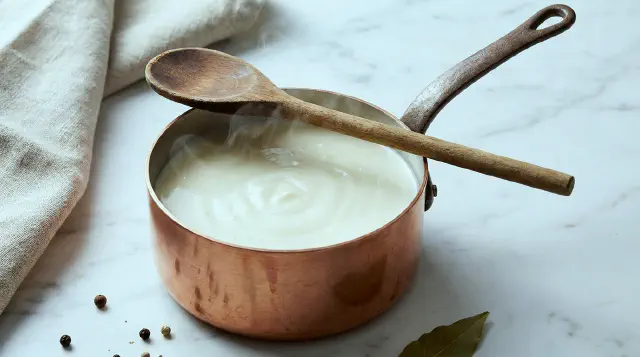
- Béchamel - White sauce of butter, flour, and milk. French mother sauce but equally fundamental in Italian (besciamella for lasagna), Greek (moussaka), and Scandinavian cooking. Homemade.
France
- Béchamel - White roux-based sauce with milk. Foundation for gratins, croque-monsieur, and countless derivatives. Homemade.
- Velouté - Light roux-based sauce with clear stock (chicken, fish, or veal). Base for many cream sauces. Made fresh.
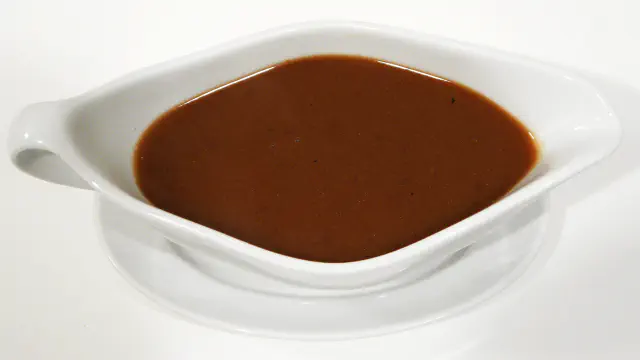
- Espagnole - Brown sauce from brown stock thickened with brown roux, enriched with tomato puree and mirepoix. Base for demi-glace. Made fresh.
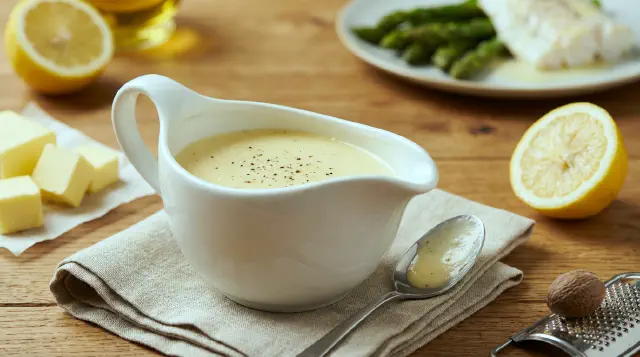
- Hollandaise - Warm emulsion of egg yolk, clarified butter, and lemon juice. Classic with asparagus, eggs Benedict, and fish. Made fresh.
- Sauce Tomat - French tomato sauce with carrots, onion, garlic, butter, and traditionally pork belly and veal broth. Richer and more complex than Italian tomato sauce. Homemade.
- Béarnaise - Hollandaise with tarragon, shallots, and white wine vinegar reduction. The classic steak sauce. Also hugely popular in Scandinavia. Made fresh.
- Sauce Choron - Béarnaise with tomato puree added. Served with grilled meat and fish. Made fresh.
- Sauce Mousseline - Hollandaise with whipped cream folded in, making it lighter. Served with vegetables and fish. Made fresh.
- Bordelaise - Red wine, bone marrow, shallots, and demi-glace. Classic with steak and roasted meats. Made fresh.
- Chasseur (Hunter’s sauce) - Mushrooms, shallots, white wine, tomatoes, and tarragon in demi-glace. Served with chicken or rabbit. Homemade.
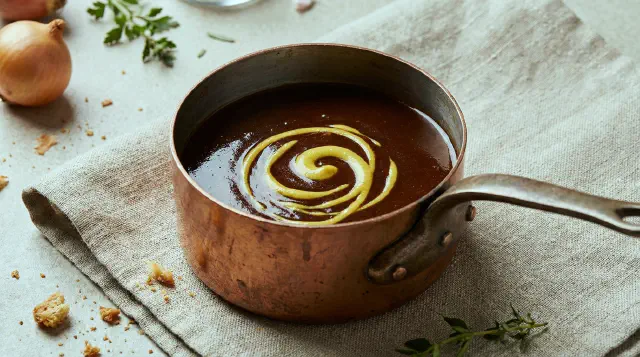
- Sauce Robert - Sauteed onions, white wine, and Dijon mustard in demi-glace. Traditionally served with grilled pork. Made fresh.
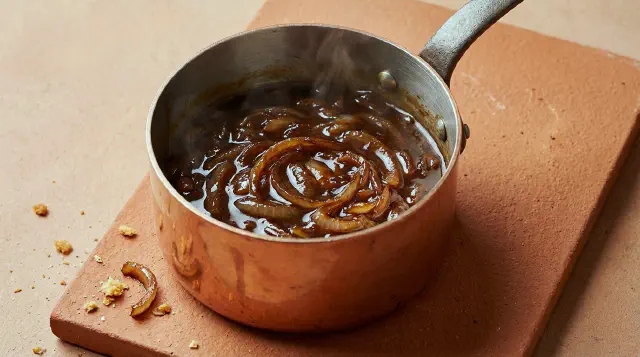
- Sauce Lyonnaise - Sauteed onions and white wine vinegar in demi-glace. A Lyon specialty for meats. Made fresh.
- Sauce Diable - Very peppery, spicy brown sauce with white wine, vinegar, and cayenne. For grilled chicken or game. Made fresh.
- Sauce Allemande - Velouté enriched with egg yolks and cream. Served with poultry and vegetables. Made fresh.
- Sauce Bercy - Fish velouté with shallots, white wine, and parsley. Classic with fish. Made fresh.
- Beurre Blanc - Emulsion of butter into a reduction of white wine, vinegar, and shallots. Invented in the Loire Valley around 1900. Classic with pike and other river fish. Made fresh.
- Beurre Noir/Noisette - Butter cooked until dark brown (noisette) or nearly black (noir) with capers and vinegar. Traditionally with skate. Made fresh.
Italy
- Ragù alla Bolognese - Slow-simmered meat sauce with soffritto (onion, carrot, celery), tomato, wine, and milk or cream. The authentic version from Bologna. Homemade.
- Ragù Napoletano - Neapolitan meat ragù simmered for hours with large pieces of meat (often beef, pork, sausage) in tomato. The meat is served separately. Sunday and holiday classic in Campania. Homemade.
- Sugo al Pomodoro - Simple tomato sauce with garlic, basil, and olive oil. The most fundamental Italian sauce. Homemade.
- Arrabbiata - Spicy tomato sauce with garlic and dried chili flakes. “Angry” sauce, from Rome. Homemade.
- Amatriciana - Tomato sauce with guanciale (cured pork jowl) and Pecorino Romano. From Amatrice, one of Rome’s holy trinity of pasta sauces. Homemade.
- Puttanesca - Tomato sauce with olives, capers, anchovies, and garlic. A pantry sauce from Naples/Rome. Homemade.
- Carbonara - Egg yolks, Pecorino Romano, guanciale, and black pepper, emulsified with pasta water. Never contains cream in the authentic Roman version. Made fresh.
- Cacio e Pepe - Pecorino Romano and black pepper emulsified with starchy pasta water. Oldest of the Roman pasta sauces. Made fresh.
- Aglio e Olio - Garlic gently fried in olive oil with chili flakes and parsley. The simplest possible pasta sauce. Made fresh.
- Bagna Càuda - Hot dip of garlic, anchovies, butter, and olive oil. Piedmontese classic served with raw vegetables in autumn/winter. Homemade.
- Agrodolce - Sweet-and-sour sauce made with vinegar and sugar, often with onions or raisins. Used with vegetables, rabbit, or fish across southern Italy. Homemade.
- Salmoriglio - Olive oil, lemon juice, oregano, and garlic, whisked into an emulsion. A Sicilian sauce for grilled fish and meat. Made fresh.
Spain
- Sofrito - Slowly cooked onions, garlic, and tomatoes in olive oil. The foundation of countless Spanish dishes including paella. Homemade.
- Salsa Brava - Spicy tomato sauce with paprika and chili. The essential sauce for patatas bravas. Originated in Madrid. Made fresh.
- Pil Pil - Emulsion of cod gelatin, garlic, and olive oil, created by gently swirling the cooking pan. A Basque technique for salt cod. Made fresh.
- Samfaina - Catalan ratatouille-like sauce of peppers, eggplant, zucchini, and tomatoes cooked in olive oil. Served with fish or meat. Homemade.
- Ajada/Ajadilla - Garlic sliced and fried in olive oil with pimentón (smoked paprika) and vinegar. Poured over boiled potatoes, octopus, or fish. Homemade.
- Vizcaína - Dried choricero pepper sauce with onions. A Basque classic for salt cod (bacalao a la vizcaína). Homemade.
Portugal
- Cebolada - Slow-cooked onion sauce with vinegar, bay leaf, and parsley. Served with grilled fish (especially sardines) and meats. Homemade.
- Molho de Café - Espresso-based sauce, sometimes with cream and butter. A modern Portuguese sauce for steak (bife com molho de café). Made fresh.
Greece
- Avgolemono - Egg and lemon sauce, whisked until frothy and used to thicken and flavor soups (especially chicken soup) and stews. One of the most distinctive sauces in Greek cooking. Homemade.
- Saltsa Domata - Greek-style tomato sauce with cinnamon, allspice, and sometimes a touch of sugar. Used in mousaka, pastitsio, and gemista (stuffed vegetables). Homemade.
Germany
- Jägersauce (Hunter’s Sauce) - Rich mushroom and onion brown sauce, often with bacon, cream, and white wine. The classic sauce for Jägerschnitzel. Homemade.
- Rahmsauce (Cream sauce) - Cream sauce with butter, nutmeg, and pepper. Served with schnitzel, pork chops, and game. Homemade.
- Bratensauce (Roasting gravy) - Pan gravy made from roast meat drippings, thickened with flour and enriched with stock. The standard Sunday roast accompaniment. Homemade.
- Currywurst Sauce - Tomato ketchup seasoned with curry powder and spices. Born in post-WWII Berlin. Served on sliced bratwurst at street stalls. Made fresh.
- Senfsoße (Mustard sauce) - Cream sauce with mustard, often made with egg. Traditional with boiled eggs (Eier in Senfsoße), a beloved home-style dish. Homemade.
- Zwiebelsoße (Onion sauce) - Caramelized onion gravy. Served with liver, meatloaf (Leberkäse), and roast meats. Homemade.
Austria
- Semmelkren - Bread rolls soaked in beef broth, blended with horseradish and cream. The second essential Tafelspitz sauce. Homemade.
- Dillsauce (Dill sauce) - Cream sauce with fresh dill, often with a touch of vinegar. Served with boiled beef, fish, and vegetables. Homemade.
United Kingdom
- Gravy - Meat drippings thickened with flour and stock. The essential companion to the Sunday roast. Both.
- Bread Sauce - Stale white bread simmered in milk infused with clove-studded onion, mace, and bay leaf. Served with roast chicken and turkey, especially at Christmas. Homemade.
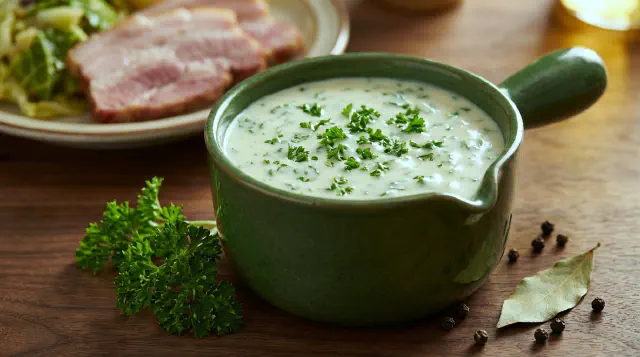
- Parsley Sauce - White sauce (béchamel) with fresh parsley. Served with fish (especially cod) and gammon. Homemade.
Ireland
- Parsley Sauce - White roux-based sauce with milk, butter, and fresh parsley. The classic sauce for bacon and cabbage, Ireland’s de facto national pairing. Homemade.
- Butter Sauce - Simple melted butter with lemon juice, sometimes with herbs. Served with fish and boiled vegetables. Homemade.
- Onion Sauce - Béchamel-style sauce with cooked onions. Served with lamb, pork, and boiled meats. Homemade.
- Whiskey Cream Sauce - Cream sauce with Irish whiskey, shallots, and stock. A modern classic for steak in Irish pubs and restaurants. Made fresh.
Scandinavia
- Persillesovs (Parsley sauce) - Roux-based white sauce with fresh parsley, butter, and cream. Served with stegt flæsk (crispy pork belly), Denmark’s national dish. Homemade.
- Brun Sovs (Brown gravy) - Classic brown gravy made from meat drippings, flour, and stock. Served with frikadeller (meatballs) and roast pork. Homemade.
- Sennepssovs (Mustard sauce) - Cream sauce with Danish mustard. Served with boiled fish, meatballs, and eggs. Homemade.
- Æbleflæsk sauce - The pan juices from rendering pork belly with onions and apple slices, creating a sweet-savory sauce. Served as a traditional winter dish. Homemade.
- Brunsås (Brown cream sauce) - Cream-enriched brown gravy. The essential sauce for Swedish meatballs (köttbullar). Homemade.
- Béarnaisesås - Swedish version of béarnaise, typically thicker and milder than the French original. Enormously popular with steak, salmon, and even on pizza. Both.
- Sandefjordsmør (Sandefjord butter sauce) - Cream reduced and enriched with cold butter, lemon, and parsley. Invented in 1959 in Sandefjord. Norway’s signature butter sauce for salmon, cod, and shellfish. Made fresh.
- Sennepssaus (Mustard sauce) - Cream sauce with mustard and dill. Served with boiled or poached fish. Homemade.
- Brunsaus (Brown sauce) - Brown gravy with cream, similar to Swedish brunsås. Served with meatballs and game. Homemade.
Netherlands
- Pindasaus/Satésaus (Peanut sauce) - Indonesian-influenced peanut sauce with kecap manis, soy sauce, and coconut milk. Served with fries, satay, and Indonesian-Dutch dishes. Both.
- Mosterdsaus - Mustard sauce, often with cream. Served with sausages and meats. Homemade.
Belgium
- Stoofvleessaus - Flemish beef stew sauce braised with Belgian beer (usually a dark ale), onions, and mustard. Served over frites as “friet met stoofvlees.” Homemade.
- Sauce Liégeoise (Sirop de Liège sauce) - Apple/pear syrup (sirop de Liège) cooked with onions, raisins, and prunes. Served over boulets (meatballs) in Liège. Homemade.
- Sauce aux Cerises (Cherry sauce) - Cherry sauce for game and duck, made with sour cherries, port or red wine, and sometimes chocolate. Made fresh.
Eastern Europe
- Sos Pieczeniowy (Roasting gravy) - Brown gravy made from roast meat drippings, browned flour, and broth. The Sunday dinner essential. Homemade.
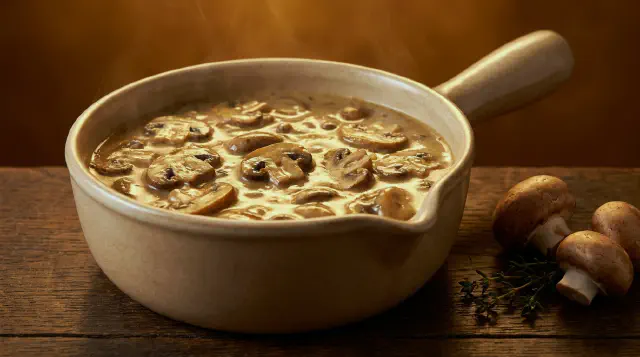
- Sos Pieczarkowy (Mushroom sauce) - Cream sauce with sliced mushrooms. Served with pork chops, chicken, and potatoes. Homemade.
- Sos Koperkowy (Dill sauce) - Roux-based cream sauce with fresh dill. Served with boiled potatoes, eggs, and fish. Homemade.
- Sos Śliwkowy (Plum sauce) - Sweet-tart plum sauce served with roast duck and game. Homemade.
- Paprikás Mártás (Paprika sauce) - Sweet paprika-and-sour cream sauce. The foundation of chicken paprikash and many Hungarian stews. The most important sauce in Hungarian cuisine. Homemade.
- Lecsó - Thick sauce/stew of Hungarian sweet peppers, tomatoes, onions, and paprika. Used as a side, sauce base, or main dish. The Hungarian summer staple. Homemade.
- Meggymártás (Sour cherry sauce) - Sour cherry sauce thickened with a roux, sometimes with cinnamon and clove. Served with game, duck, or pork. Homemade.
- Smetannyi sous (Sour cream sauce) - Cooked sour cream sauce, often with mushrooms (griby v smetane). The base for beef stroganoff and many Russian meat dishes. Homemade.
Turkey
- Domates Soslu (Tomato sauce, Turkish-style) - Tomato sauce with peppers, onions, and Turkish spices (cumin, Aleppo pepper). Used with köfte, dolma, and as a base for stews. Homemade.
- İskender Sosu - Tomato-butter sauce ladled over İskender kebab (sliced döner). A specialty of Bursa. Served bubbling hot with yogurt on the side. Made fresh.
Americas
Pan-American / Cross-Border
- Sofrito - The foundational cooking base across the Spanish-speaking Americas. Core: onion, garlic, tomato, pepper. Puerto Rican: adds culantro and aji dulce. Cuban: oregano and cumin. Colombian: cumin-heavy. Mexican: adds fresh chiles. Dominican: includes sazón and oregano. Each version is the heartbeat of its national cuisine. Homemade.
Mexico
- Salsa Roja (Red Salsa) - Cooked or raw sauce of tomatoes, dried or fresh chiles (guajillo, árbol, serrano), garlic, and onion. The default table salsa in most of Mexico, served with everything from tacos to eggs. Homemade.
- Salsa Verde - Based on tomatillos and green chiles (serrano or jalapeño), with cilantro, onion, and garlic. Can be raw or cooked. Present on virtually every Mexican table alongside salsa roja. Homemade.
- Salsa Taquera - The quintessential taco-shop salsa made from chile de árbol, tomatoes, garlic, and oil, often charred before blending. Smoky, bright, and moderately hot. Found at every taquería in central Mexico. Homemade.
- Mole Poblano - The iconic dark, complex sauce from Puebla made with multiple dried chiles (ancho, mulato, pasilla), chocolate, nuts, seeds, spices, and broth. Traditionally served over turkey or chicken. Takes hours to prepare. Homemade.
- Mole Negro - The most revered of Oaxaca’s seven moles. Darker and more complex than mole poblano, using charred chiles, chocolate, hoja santa, and dozens of ingredients. Served at celebrations and special occasions. Homemade.
- Mole Verde - Green mole made with pumpkin seeds (pepitas), tomatillos, jalapeños, and herbs like cilantro, epazote, and hoja santa. Lighter and fresher than dark moles. Common in Oaxaca and central Mexico. Homemade.
- Pipián (Pipián Verde / Pipián Rojo) - A mole-family sauce thickened with ground pumpkin seeds (pepitas), plus dried chiles, cumin, and coriander. Nutty, earthy, and rich, served over chicken or pork. Homemade.
- Mole Amarillo - A Oaxacan mole blended with masa (corn dough) for body, plus chiles (chilcostle, guajillo), cumin, and herbs. Lighter and more everyday than negro or poblano. Homemade.
- Adobo - A paste or sauce of dried chiles (ancho, guajillo, chipotle), vinegar, garlic, oregano, and spices. Used to marinate meats (carne adobada, barbacoa) or as a braising sauce. Fundamental to Mexican cooking. Both.
- Salsa de Cacahuate (Peanut Salsa) - A rich, creamy salsa made from ground peanuts, dried chiles (árbol, guajillo), garlic, and oil. Smoky and nutty, served with tacos, enchiladas, or grilled meats. Homemade.
- Chiltomate - Yucatecan roasted tomato and habanero sauce. Charred tomatoes, habaneros, and garlic are blended into a slightly smoky, fiery salsa. Served alongside most Yucatecan meals. Regional staple (Yucatán). Homemade.
- Salsa Negra - Dark, deeply flavored sauce made from charred dried chiles (pasilla, chipotle), garlic, and oil. Thick, smoky, and moderately spicy. Common as a bottled hot sauce and street-food condiment. Both.
Uruguay
- Salsa Caruso - Invented in Montevideo in the 1950s: a cream sauce with mushrooms, ham, onion, and sometimes walnuts, specifically created for pasta (cappelletti). A Uruguayan original. Homemade.
Brazil
- Molho de Alho (Garlic Sauce) - A creamy white garlic sauce made with cooked garlic, butter, flour, milk, and mayonnaise. Served alongside churrasco meats at Brazilian steakhouses. Homemade.
- Tucupi - An Amazonian sauce extracted from wild manioc/cassava root, then fermented and seasoned. Yellow-orange, sour, and tangy. Essential in dishes like pato no tucupi (duck in tucupi) and tacacá soup. Homemade.
Colombia
- Hogao (Guiso) - Colombia’s “mother sauce”: a slow-cooked base of tomatoes, scallions, garlic, cumin, and cilantro. Used as the foundation for beans, stews, soups, and served over rice, arepas, and grilled meats. Homemade.
- Sofrito Colombiano - Cooking base of tomato, onion, garlic, cumin, and cilantro, similar to other Latin sofrito traditions but distinguished by its heavy use of cumin. Foundation for soups and stews. Homemade.
Caribbean
- Jerk Marinade / Jerk Sauce - The defining Jamaican seasoning: scotch bonnet peppers, allspice (pimento), thyme, scallions, garlic, ginger, soy sauce, and often brown sugar and lime. Used to marinate chicken, pork, and fish before grilling over pimento wood. Homemade.
- Browning Sauce - A dark caramelized sugar-based sauce used to color and subtly flavor stews, gravies, and meat dishes. Not a table condiment but essential to Jamaican cooking. Both.
- Sofrito Cubano - Cuban cooking base of tomato, bell pepper, onion, garlic, oregano, and cumin, cooked in olive oil. The foundation of black beans, stews, and rice dishes. Homemade.
- Sofrito / Recaíto - The foundation of Puerto Rican cooking: culantro (recao), aji dulce peppers, garlic, onion, cilantro, and sometimes tomato. Frozen in ice-cube trays in every Puerto Rican kitchen. Used in rice, beans, stews, and soups. Homemade.
- Mojito Isleño - A tomato-based sauce with olives, capers, onion, garlic, and bell pepper, served over fried fish. A Puerto Rican classic distinct from any other Caribbean sauce. Homemade.
United States
- BBQ Sauce (regional styles) - America’s great regional sauce tradition. Kansas City: thick, sweet, tomato-and-molasses based. Carolina (Eastern): thin vinegar-pepper sauce. Carolina (Western/Lexington): vinegar-tomato. Texas: thin, peppery, beef-drippings based. South Carolina: mustard-based. Alabama white: mayonnaise-vinegar. Each region considers its version the only legitimate one. Both.
- Buffalo Sauce - Invented at the Anchor Bar in Buffalo, NY, in 1964: a simple emulsion of hot sauce (typically Frank’s RedHot) and melted butter. Served on chicken wings and now applied to everything. Made fresh.
Canada
- Poutine Gravy (Sauce Poutine) - A light, thin gravy made from chicken and/or beef stock, thickened with flour, and flavored with ketchup, vinegar, and a dash of Worcestershire or HP Sauce. Poured over fries and cheese curds. Quebec’s most iconic contribution to world sauce culture. Made fresh.
- Maple Glaze / Maple Sauce - Reduced maple syrup, sometimes with butter, mustard, or vinegar, used as a glaze for salmon, ham, bacon, and roasted vegetables. A natural extension of Canada’s maple syrup culture. Homemade.
Middle East & North Africa
Regional / Cross-Border
- Harissa - Hot chile paste made from roasted red peppers (often Baklouti), garlic, caraway, coriander, cumin, and olive oil. Originally Tunisian but now used across the Maghreb and increasingly the Levant. UNESCO Intangible Heritage since 2022. Both.
- Sumac-Onion Dressing - Sliced onions slow-cooked in generous olive oil with copious sumac until sweet-tart and jammy. The signature flavoring of Palestinian musakhan and used as a dressing across the Levant. Made fresh.
Morocco
- M’qualli Sauce - Golden cooking sauce built from oil, saffron, turmeric, and ginger, often finished with preserved lemon and olives. The base sauce for festive chicken dishes and tagines. Restaurant and home standard. Homemade.
- Daghmira - Deeply reduced onion sauce finished with preserved lemon and olives, cooked so long the onions dissolve into a silky, rich coating. Served over festive chicken m’qualli dishes. Homemade.
- Tfaya - Sweet caramelized onion topping with honey, cinnamon, saffron, and sometimes raisins or almonds. Served over couscous with lamb or chicken for celebrations. Homemade.
Tunisia
- Harissa (هريسة) - Tunisia claims harissa as its national condiment. Made with Baklouti peppers from the Nabeul and Gabès regions (relatively mild, 4000–5000 Scoville), garlic, caraway, coriander, cumin, and olive oil. Added to stews, couscous, lablabi, and fricassé. Both.
- Mloukhia Sauce - Dark green sauce made from dried jute leaves (molokhia), slow-cooked for hours until nearly black and intensely savory. Served with shredded lamb or beef over bread. A defining Tunisian dish, distinct from Egyptian molokhia. Homemade.
Egypt
- Ta’leya (تقلية) - Sizzling-hot ghee infused with fried garlic and ground coriander, poured over dishes at the last moment. The essential finishing sauce for molokhia, rice dishes, and koshari. Made fresh.
- Salsa Baladi - Tangy tomato sauce made with garlic, cumin, vinegar, and spices, cooked in onion-infused oil. One of the three essential sauces served with koshari. Homemade.
Lebanon
- Pomegranate-Walnut Sauce (for Kibbeh/Meat) - Reduced pomegranate molasses with walnuts and spices, served over kibbeh or grilled meats. A Levantine specialty drawing on Syrian-Lebanese traditions. Homemade.
Iran
- Fesenjan Sauce (فسنجان) - Rich, dark stew sauce of ground walnuts and pomegranate molasses, seasoned with cinnamon, cardamom, and saffron. Traditionally served with duck or chicken over rice. Sweet-sour and deeply nutty. Homemade.
- Zereshk (Barberry) Sauce/Topping - Tart barberries sauteed in butter with saffron and a little sugar, spooned over rice (zereshk polo). Functions as a flavor-sauce topping. Made fresh.
Directions
See Also
Béchamel Sauce
Beurre Blanc (White Butter Sauce)
Brown Sauce - Basic Recipe
Butter Sauce
Cold Sauces - The Complete Overview
Dark Stock of Duck - Suitable For Sauce
Dressings - The Complete Overview
Sauce Espagnole (Brown Mother Sauce)
Hollandaise Sauce
Marinades - The Complete Overview
Mushroom Sauce
Parsley Sauce
Sauce Lyonnaise
Sauce Robert