Sous Vide Crème Brûlée
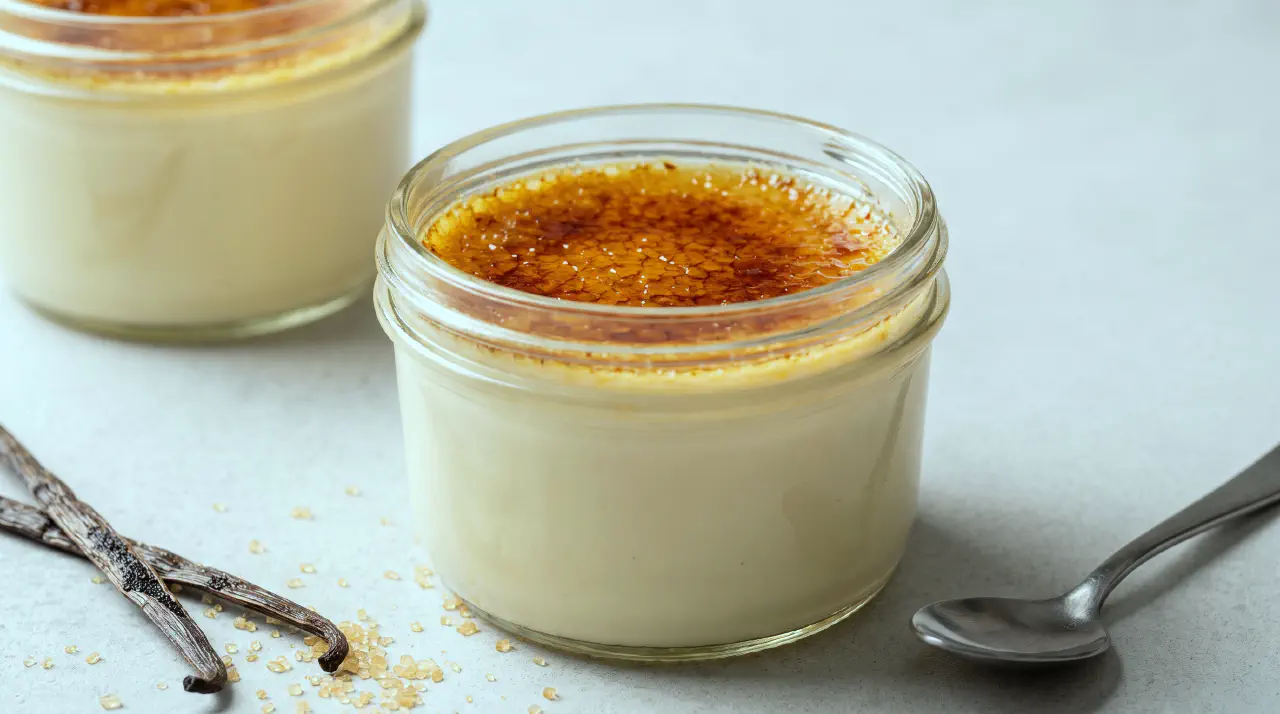
Sous Vide Crème Brûlée
Crème brûlée is a French bistro standard: a rich egg custard under a thin, hard shell of caramelized sugar that cracks under the spoon. The classic version is baked in a bain-marie in the oven, where the custard can slip from silky to curdled in the space of a few unwatched minutes. Cooking it sous vide instead removes that risk entirely - the water bath holds the custard at a fixed, gentle temperature, so the eggs finish perfectly set without ever getting hot enough to scramble.
The custard itself is just egg yolks, heavy cream, sugar, a pinch of salt, and vanilla, whisked together and strained before it goes into the jars. The straining step matters more than it looks like it should: it catches any bits of cooked egg or vanilla pod, and just as important, it knocks out the air bubbles that would otherwise leave the custard foamy instead of dense and smooth. Whisking the yolks gently rather than vigorously does the same job - beat too much air in at the start and no amount of straining fully fixes it.
What makes the finished dessert is the crust, not the custard. Once the jars are chilled through, a thin layer of demerara or turbinado sugar goes on top and gets caramelized with a kitchen torch until it hardens into a deep amber shell. Demerara and turbinado sugar are worth seeking out over plain granulated - the coarser crystals melt into a thinner, more evenly cracking crust. That crust is also the one part of the recipe that can’t be made ahead: torch it too early and the sugar softens back to syrup in the fridge within minutes.
That make-ahead flexibility is what makes crème brûlée such a good dinner-party dessert. The custards can sit in the fridge for several days once cooked, which means all the real work happens well before guests arrive - the only thing left to do at the table is sprinkle, torch, and serve.
Ingredients
Serves 4
- 480 g heavy cream
- 1 vanilla bean, split lengthwise, seeds scraped (or 5 ml vanilla extract)
- 5 egg yolks, large (about 90 g)
- 65 g granulated sugar
- 1 pinch fine salt
- 20 g demerara sugar (or turbinado), for the torched topping (about 1 tsp per jar)
Directions
Fill a large pot or container with water, clip on the sous vide circulator, and set it to 180°F (82°C). While it comes up to temperature, split the vanilla bean lengthwise and scrape out the seeds with the back of a knife.
Whisk the egg yolks, granulated sugar, and salt together in a bowl just until combined. Keep it gentle here - over-whisking beats air into the mixture, and that trapped air is the main reason a finished custard turns out foamy or bubbly instead of dense. Add the cream along with the vanilla seeds and the scraped pod, then whisk again just enough to bring everything together.
Strain the custard through a fine-mesh sieve into a pitcher or measuring cup, discarding the vanilla pod. This catches any flecks of cooked egg and, more importantly, clears out the small air bubbles worked in during whisking. Divide the strained custard evenly among four 8 oz (240 ml) wide-mouth Mason jars, then tap each one gently on the counter to release any bubbles that made it through.
Screw the lids on to fingertip-tightness only - never fully tight, since trapped pressure and thermal expansion can crack the glass as the jars heat. Submerge the jars completely in the water bath, stacking them if needed as long as every jar stays fully underwater, and cover the container to cut down on evaporation.
Cook for 60 minutes, or up to 75 minutes if the jars are larger or a firmer set is preferred. Lift the jars out onto a wire rack and let them cool to room temperature, about an hour, then refrigerate them, still sealed, for at least 4 hours. The custards will keep well chilled for up to 3-5 days, which makes them an easy make-ahead dessert.
Just before serving, blot away any surface condensation with a paper towel and wipe the rims clean. Sprinkle about a teaspoon of demerara or turbinado sugar evenly over each custard, tilting the jar so the sugar coats the whole surface in a thin, even layer. Working with a kitchen torch, caramelize the sugar in a sweeping motion from the edge toward the center, holding the flame roughly 2 inches (5 cm) above the surface, until it turns deep golden brown and bubbles. Let the crust sit for 5 minutes to harden into a crackable shell before digging in.
Notes
176-180°F (80-82°C) is the gentlest water-bath range for jar-set sous vide crème brûlée - hot enough to fully cook the eggs, gentle enough that the custard never firms up past silky. Higher temperatures, up to around 190-195°F (88-91°C), set the custard faster but push the texture toward baked-firm instead of the classic silky result, so this recipe stays at the low end of the range.
Jar size changes the timing: standard 8 oz (240 ml) Mason jars need 45-75 minutes, and this recipe uses 60. A thinner layer of custard in a sealed zip-top bag sets in as little as 30 minutes at the same temperature, though jars give the classic presentation.
Never torch the topping until just before serving - the caramelized crust softens again within minutes in the refrigerator.
See Also
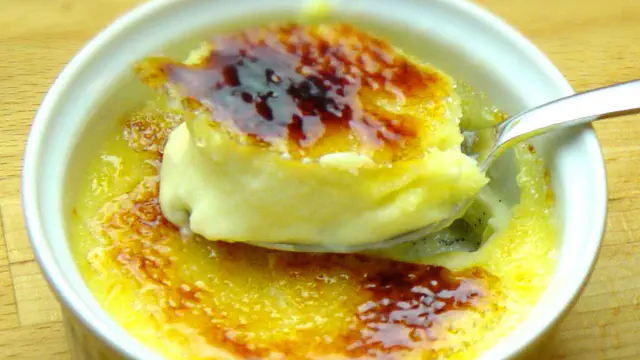
Crème brûlée
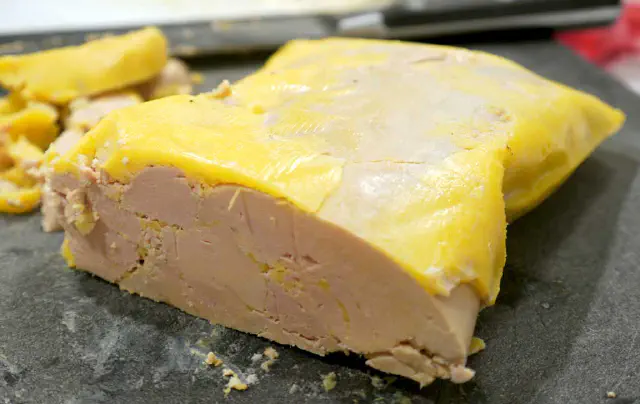
Foie gras terrine - made sous vide
Lemon Tart
Panna Cotta - Italian vanilla pudding