Sous Vide Plaice Fillet
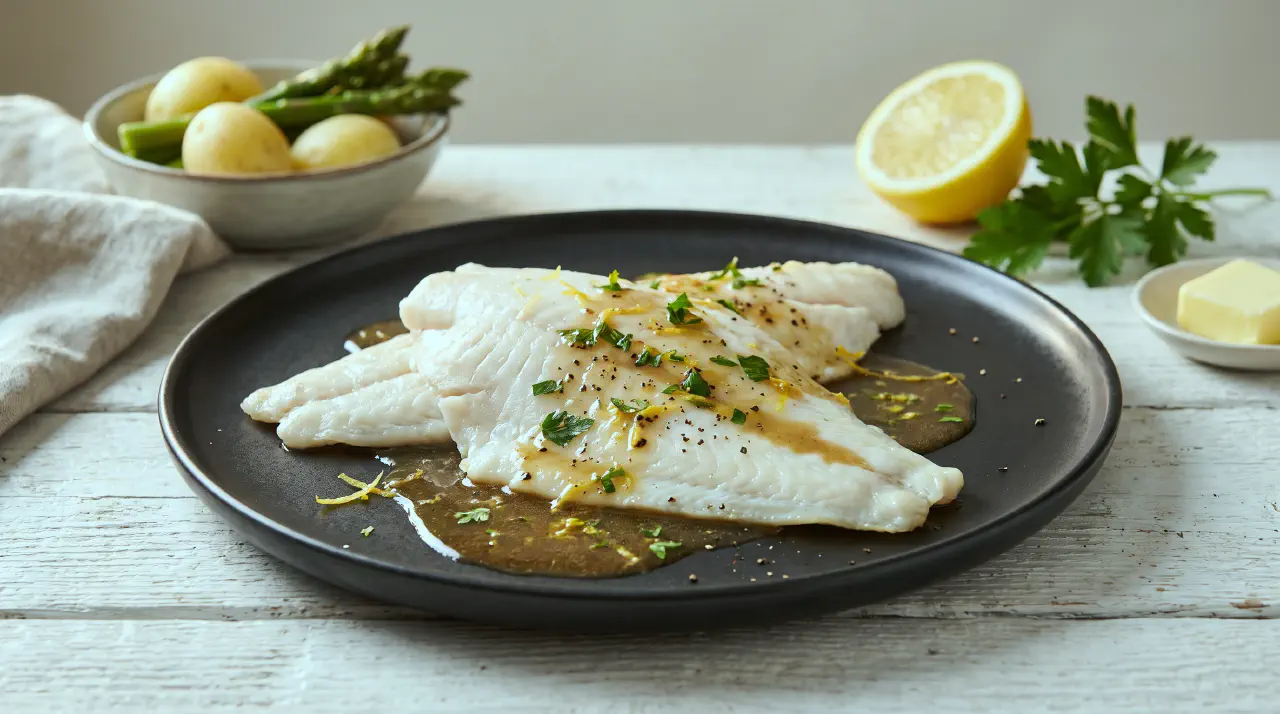
Sous Vide Plaice Fillet
Sous vide plaice fillet is a gentle way to handle a fish most Danes know best breaded and pan-fried. Cooking the fillets in a precisely controlled water bath instead of in a hot pan sidesteps the biggest risk with plaice: that the thin, delicate fish turns dry and grainy long before it’s even heated through. The result is a fish that stays juicy and tender all the way through.
Plaice is one of the thinnest and most delicate flatfish in the Danish kitchen, and it makes very different demands on sous vide cooking than a thicker white fish like cod. The water bath is held at just 120°F (49°C) for 25 minutes - a markedly lower temperature and shorter time than you’d use for a thicker fillet. Go much above 122-126°F (50-52°C) or longer than 25-30 minutes, and the flesh quickly loses its juiciness, turning grainy and dry instead.
The fillets are lightly seasoned with salt, which is left to sit for a couple of minutes and then rinsed off - it firms up the fragile flesh a little before it’s vacuum-sealed and goes into the bath. When the fish comes out, it’s so tender that it has to be lifted carefully with a palette knife or fish slice rather than a fork or tongs. The browned butter-lemon sauce poured over at serving adds a touch of nutty sweetness and acidity that plays well against the fish’s mild flavor.
Plaice runs deep in Danish summer tradition - “fried plaice with parsley sauce” is a classic of Danish harbors and summer houses, and the fish is still sold fresh by fishmongers along the coasts all summer long. The sous vide method has no deep tradition here, but it’s an obvious way to treat the same fish with a more controlled result. To stay closer to the classic, the butter-lemon sauce can easily be swapped for a warm parsley sauce.
Serve the plaice fillets as soon as they come out of the bag and are patted lightly dry, with boiled potatoes and something green alongside - steamed asparagus or a lightly dressed salad both work well with the mild fish. For a little more bite on the surface, give the fillets a very quick flash-sear in a scorching-hot pan just before serving.
Ingredients
Serves 4
The Fish
- 4 plaice fillets (about 600-800 g total)
- salt
The Sauce
- 40 g unsalted butter
- ½ lemon, juiced (about 30 ml)
- ½ lemon, zest finely grated
To Serve
- 1 tbsp fresh parsley, chopped (or dill)
- freshly ground pepper
Directions
The Fish
Pat the plaice fillets thoroughly dry and sprinkle a thin layer of salt over both sides. Let them sit for 10 minutes so the fragile flesh firms up a little, then rinse the salt off under cold running water and pat the fillets completely dry again.
Preheat the sous vide water bath to 120°F (49°C). Lay the fillets in a single layer in a vacuum bag and seal them without pressing too hard on the tender flesh. Lower the bag into the bath and cook for 25 minutes.
The Sauce
While the fish cooks, melt the butter in a small saucepan over medium heat. Let it simmer gently until the bubbling subsides and the butter turns lightly nut-brown and smells nutty - watch the pan the whole time so the butter doesn’t scorch. Take the pan off the heat right away and stir in the lemon juice and the finely grated lemon zest.
To Serve
Take the bag out of the bath and lift the fillets out carefully with a palette knife or fish slice - the fish is very fragile after sous vide cooking and won’t stand up to a fork or tongs. Pat the fillets lightly dry with paper towels and place them straight onto the warm plates.
Pour the browned butter-lemon sauce over the fish and garnish with the chopped parsley (or dill) and freshly ground pepper. Serve at once, while both fish and sauce are still hot, with boiled potatoes and, for example, steamed asparagus or a lightly dressed salad.
Notes
For a crisp surface, the fillets can be given a very quick flash-sear in a scorching-hot pan with a little butter after the sous vide bath - 10-15 seconds per side is enough, since the fish is already heated through.
Keep the water bath within 120-122°F (49-50°C) and don’t go beyond 25-30 minutes for a 150-250 g (5-9 oz) portion. Plaice is one of the thinnest and most delicate flatfish, and too high a temperature or too long a time makes the flesh grainy and dry instead of juicy.
The classic Danish parsley sauce can be used instead of the butter-lemon sauce if you prefer a more traditional serving of fried plaice.
To cook a whole plaice instead of fillets, double the cooking time.
See Also
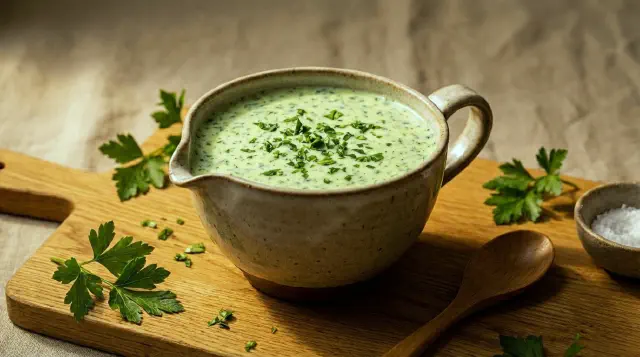
Persillesovs (Danish Parsley Sauce)

Fried plaice fillet with crab salad
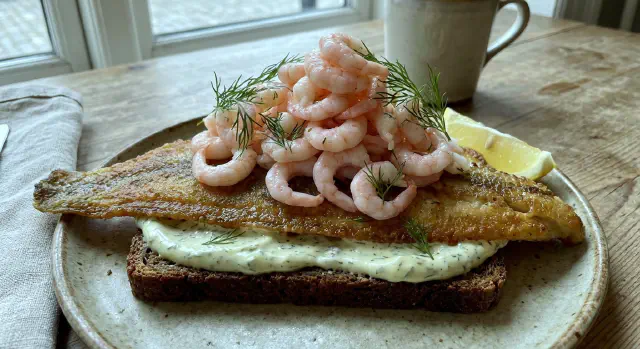
Fried plaice fillet with prawns and herb mayo
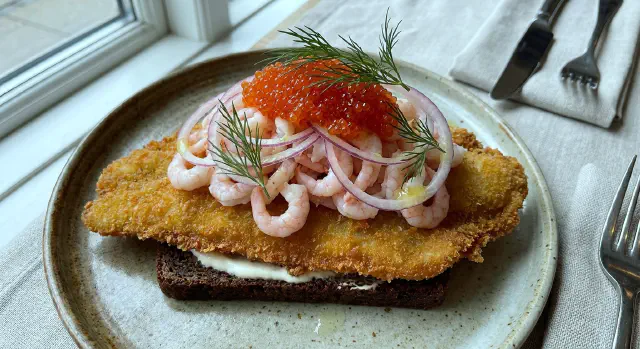
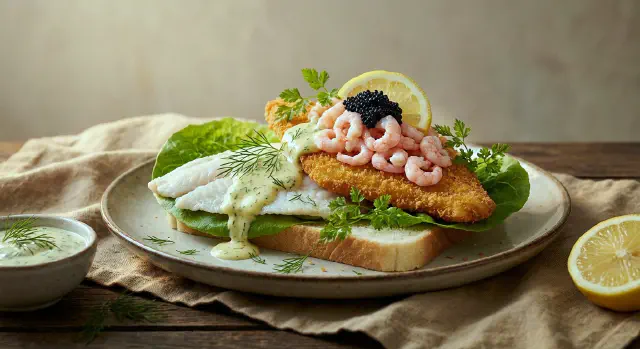
Fried plaice fillet with prawns and lumpfish roe