Sous Vide Scallops
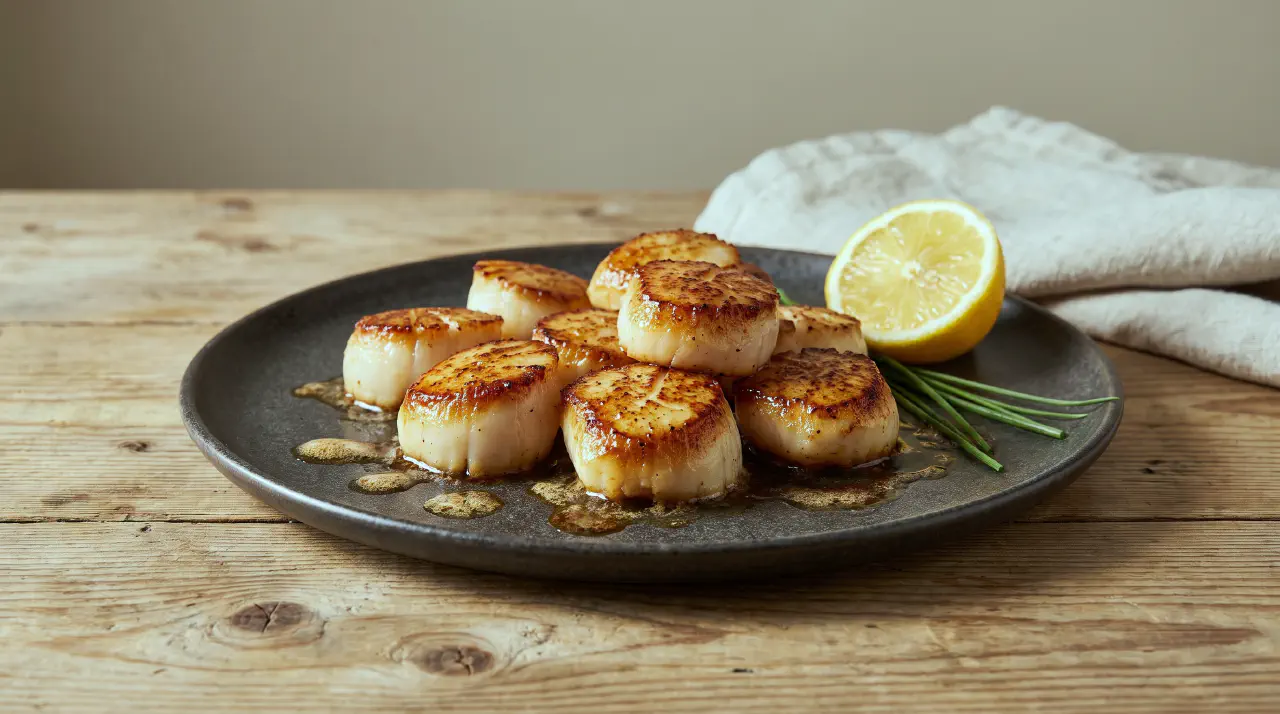
Sous Vide Scallops
Scallops have one of the smallest margins for error of any protein cooked on a stovetop. Push them a little too far and silky turns to rubbery in the time it takes to flip a second batch. A precision water bath removes that risk almost entirely: the scallops hold at exactly the temperature you set, all the way through, and the pan afterward only has to build color, not finish the cooking.
The bath temperature is also the only real decision to make. A lower setting keeps the scallops soft and nearly translucent; a higher one turns them firmer and fully opaque; everything between lands somewhere on that scale. Because scallops are thin and have no connective tissue to break down, thirty minutes in the bath cooks them through evenly no matter which end of that range is chosen, with none of the guesswork that comes from judging doneness by touch or by cutting one open.
None of that matters if the scallops release water in the hot pan afterward, so two things decide whether the crust actually works: buying dry-packed scallops rather than ones treated to hold extra moisture, and patting them properly dry both before bagging and again after the bath. A hot skillet and a little butter do the rest in well under two minutes.
This isn’t a dish tied to a particular country or cuisine so much as a demonstration of what precision cooking is good for, and scallops show it off better than almost any other protein. It works as a starter, plated simply with the browned butter from the pan spooned over the top, or as a light main course.
A squeeze of lemon, some chopped fresh herbs, or a spoonful of salsa verde all sit well next to seared scallops, and so does a bed of risotto or buttered greens. The scallops are the point here; anything served alongside is there to support them, not compete.
Ingredients
Serves 4
- 680 g sea scallops, large, dry-packed, about 12-16, side muscle removed
- kosher salt, to taste
- black pepper, freshly ground, optional
- 14 g neutral oil (grapeseed, vegetable, or olive), for bagging
- 14-28 g unsalted butter (or ghee), for searing
Directions
Remove the side muscle from each scallop if it’s still attached, then pat the scallops thoroughly dry with paper towels. Season lightly with salt, and pepper if using, set them on a paper-towel-lined plate, cover with another paper towel, and refrigerate uncovered for 10 to 30 minutes. This draws out surface moisture ahead of time, which matters more for the final crust than anything else in the recipe.
Preheat the water bath to 123°F (51°C).
Arrange the scallops in a single, uncrowded layer in a vacuum bag or zip-top bag with the oil. Seal gently, using a vacuum sealer’s moist or gentle setting, or the water displacement method for a zip-top bag, taking care not to crush the scallops.
Submerge the bag and cook for 30 minutes. Scallops have no connective tissue to break down, so a few extra minutes either way won’t hurt, but don’t push much past 35 minutes.
Lift the bag from the bath, discard the liquid, and pat the scallops completely dry again with fresh paper towels. This second drying is what actually decides whether the sear crusts properly.
Heat a nonstick or well-seasoned skillet over high heat until a thin film of oil just starts to smoke, then add the butter. Working in a single layer, in batches if needed, sear the scallops without moving them for 30 to 45 seconds, until deeply golden on the first side. Flip and let the second side barely touch the heat, a few seconds up to 30 more, tilting the pan to baste with the foaming butter. Total time in the pan should stay under 2 minutes.
Serve immediately.
Notes
The bath temperature is the one variable worth choosing deliberately. At 120°F (49°C), scallops come out barely past raw at the center, soft and almost translucent. Between 122°F and 125°F (50-52°C), where this recipe sits, they turn tender and custardy all the way through, the texture most sources point to as the target. Push to 130-131°F (54-55°C) and they turn firmer and fully opaque, closer to a traditional stovetop result while staying moist; treat 131°F (55°C) as the ceiling, since scallops have no connective tissue to reward going any hotter, only a risk of drying out.
Buy dry-packed scallops specifically. Scallops treated to hold extra moisture release water in the pan and steam instead of browning, no matter how hot the skillet gets.
A broiler gratin or a kitchen torch are both valid ways to finish the scallops instead of a pan sear, built on the same bath temperature and time.
See Also
Air Fryer Scallops
Beef Cuvette - Red Meat Sous Vide
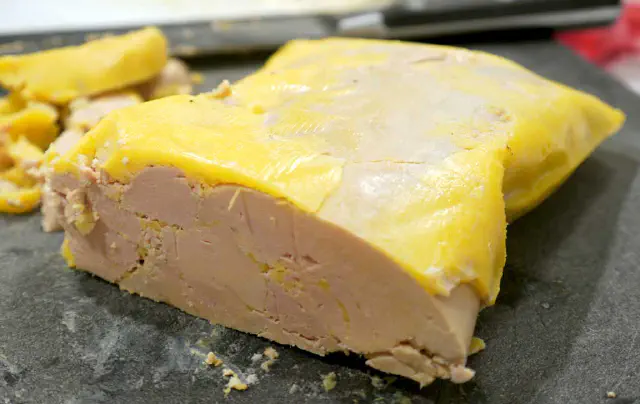
Foie gras terrine - made sous vide
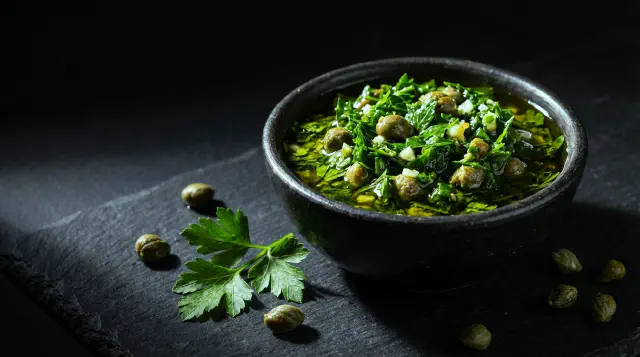
Salsa Verde