Cooking Temperatures
Cooking Temperatures
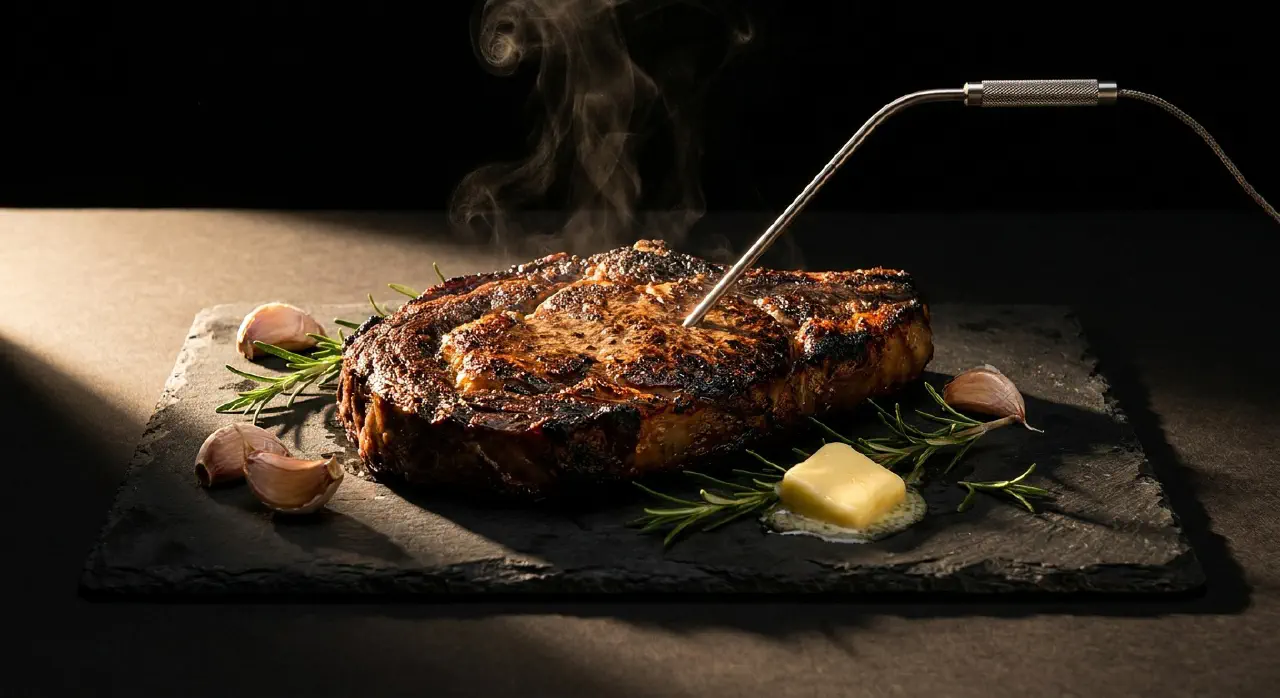
Temperature is the single most important variable in cooking. Every major transformation — protein-denaturation, starch-gelatinization, caramelization, the maillard-reaction — is a chemical reaction governed by temperature. Understanding a few foundational principles lets you reason about almost any cooking situation from first principles.
The Arrhenius rule: 10°C doubles the rate
The Arrhenius equation from physical chemistry predicts that chemical reaction rates roughly double with every 10°C increase. In the kitchen, this means a 5°C difference is noticeable (~1.4× speed change), a 20°C swing produces a 4× difference in browning speed, and small temperature errors compound into large outcome differences.
Precision Cooking
Precision Cooking
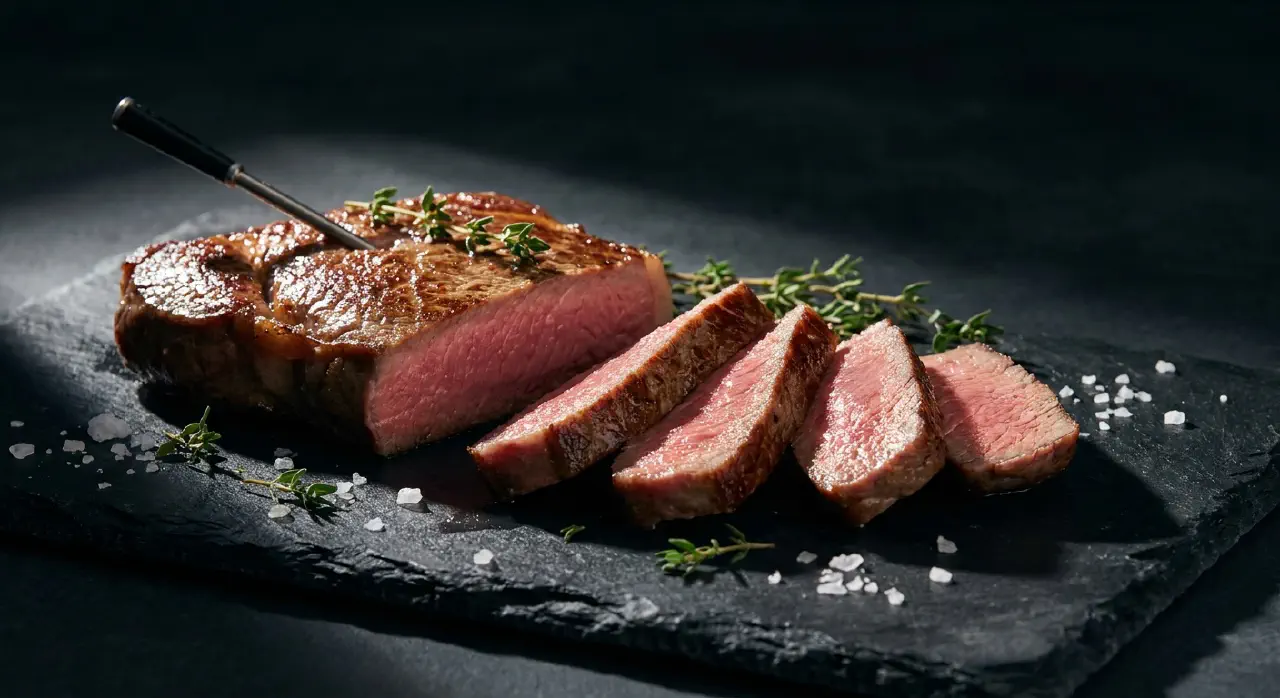
Precision cooking replaces guesswork with measured temperature control. The Arrhenius equation governs all cooking reactions exponentially — the same principle already captured in cooking-temperatures, but here applied practically to kitchen tools and techniques that eliminate the chaos of traditional heat sources.
The 10°C Rule Applied
Every 10°C roughly doubles reaction rate. A 5°C change ≈ 1.4–1.5× speed (noticeably faster). A 20°C increase = 4× acceleration, 30°C = 8×. This is why traditional hob swings of 20–40°C cause unpredictable browning and inconsistent results. Conversely, holding ±2°C allows precise control over when reactions occur.