Cooking Temperatures
Cooking Temperatures
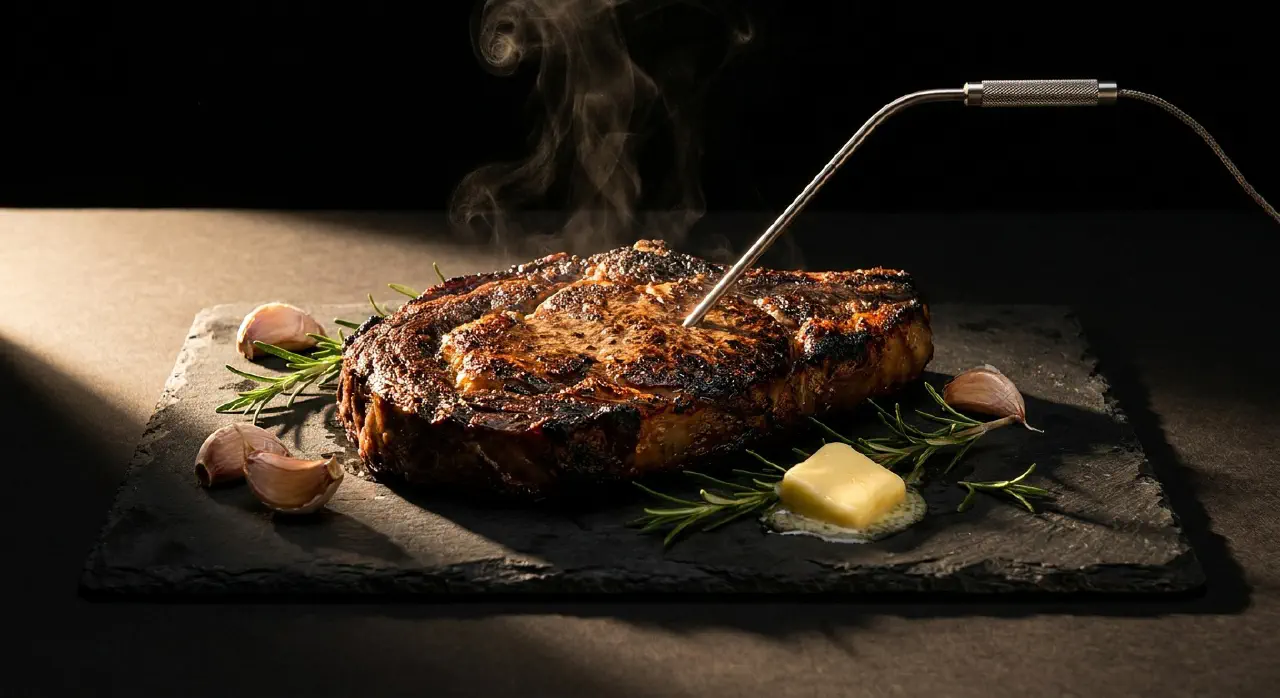
Temperature is the single most important variable in cooking. Every major transformation — protein-denaturation, starch-gelatinization, caramelization, the maillard-reaction — is a chemical reaction governed by temperature. Understanding a few foundational principles lets you reason about almost any cooking situation from first principles.
The Arrhenius rule: 10°C doubles the rate
The Arrhenius equation from physical chemistry predicts that chemical reaction rates roughly double with every 10°C increase. In the kitchen, this means a 5°C difference is noticeable (~1.4× speed change), a 20°C swing produces a 4× difference in browning speed, and small temperature errors compound into large outcome differences.
Heat Transfer in Cooking
Heat Transfer in Cooking
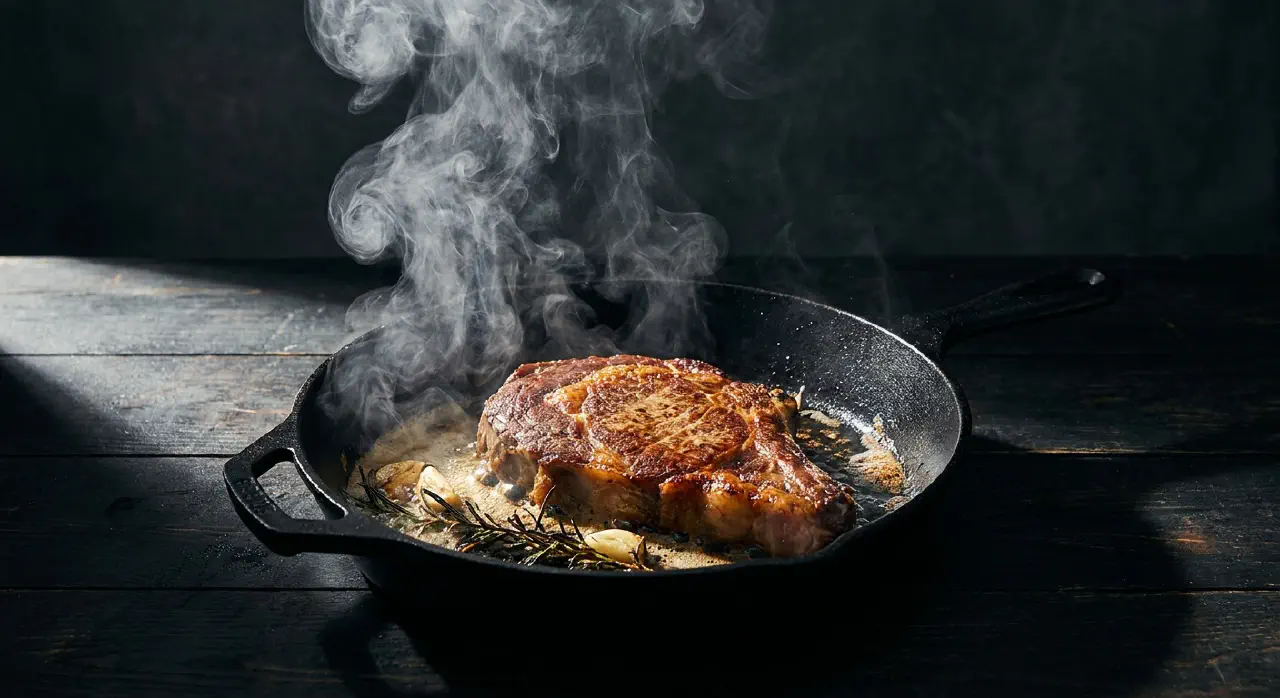
All cooking is heat transfer — getting thermal energy from a source into food. Three physical mechanisms do this work, and every cooking method is a particular combination of them. Understanding the three forms explains why different methods produce different results, why pan material matters, and why heating times vary with food size and shape.
Conduction: direct contact
Thermal energy passes from one particle to a nearby one through collision. The mechanism differs dramatically by material: