Beer Brewing
Beer Brewing
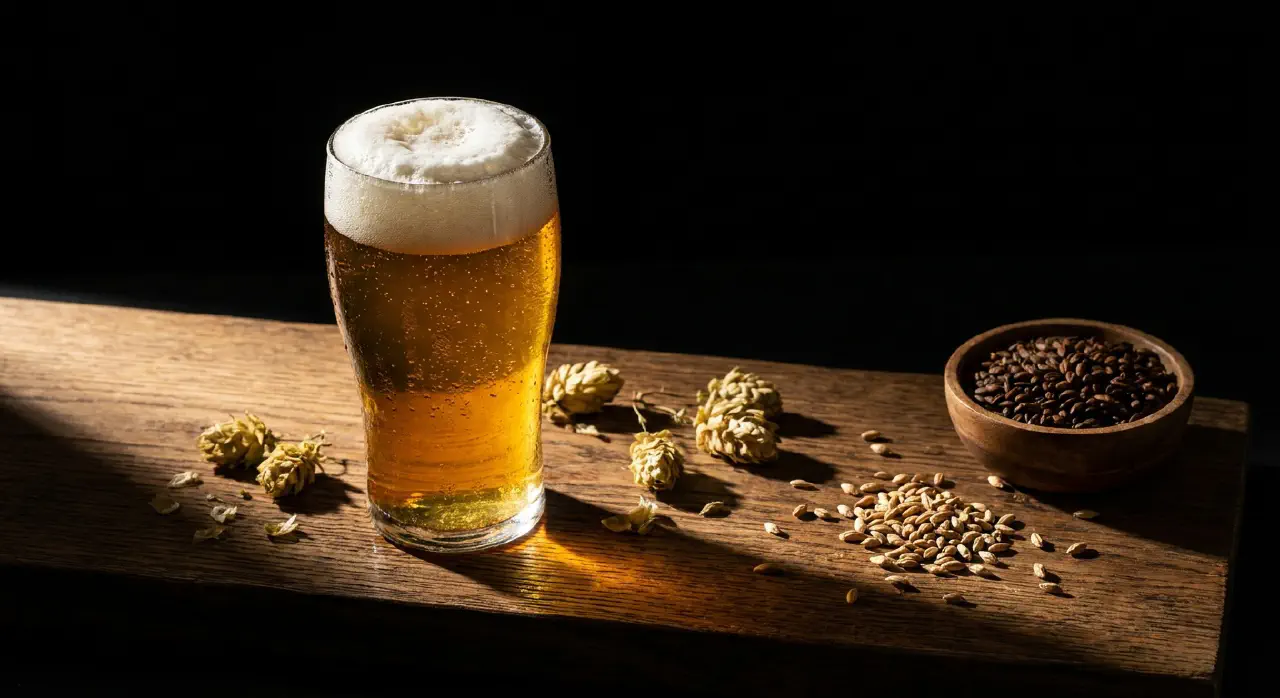
Beer is fermented grain — and unlike grapes, grains contain starch rather than sugar, requiring an extra conversion step before yeast can work. Three independent civilizations solved this problem independently: saliva enzymes (Inca chicha), mold preparations (East Asian koji), and malting (Near East, now dominant worldwide). The malting tradition gives beer its distinctive flavors of grass, bread, and cooking — flavors born from the Maillard reactions that are inseparable from the process.
Grains (Corn, Oats, Rye, Barley, and Ancient Grains)
Grains (Corn, Oats, Rye, Barley, and Ancient Grains)
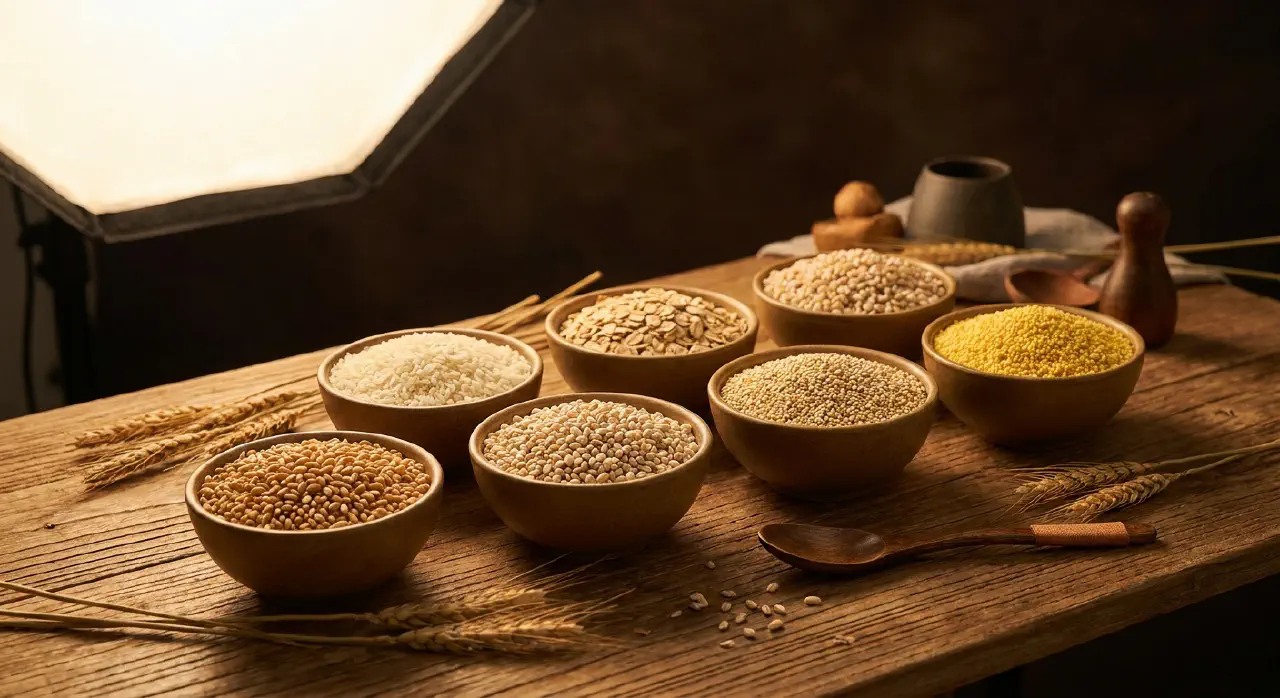
Beyond wheat and rice, a dozen cereal species and several pseudo-cereals have shaped human diets across climates and cultures. Each has a distinct carbohydrate or protein chemistry that explains both its culinary limitations and its special strengths. Several (corn, rice, buckwheat, quinoa, amaranth, teff, millet) contain no gliadin — the protein implicated in celiac disease — making them safe for gluten-intolerant cooks.
Syrups
Syrups
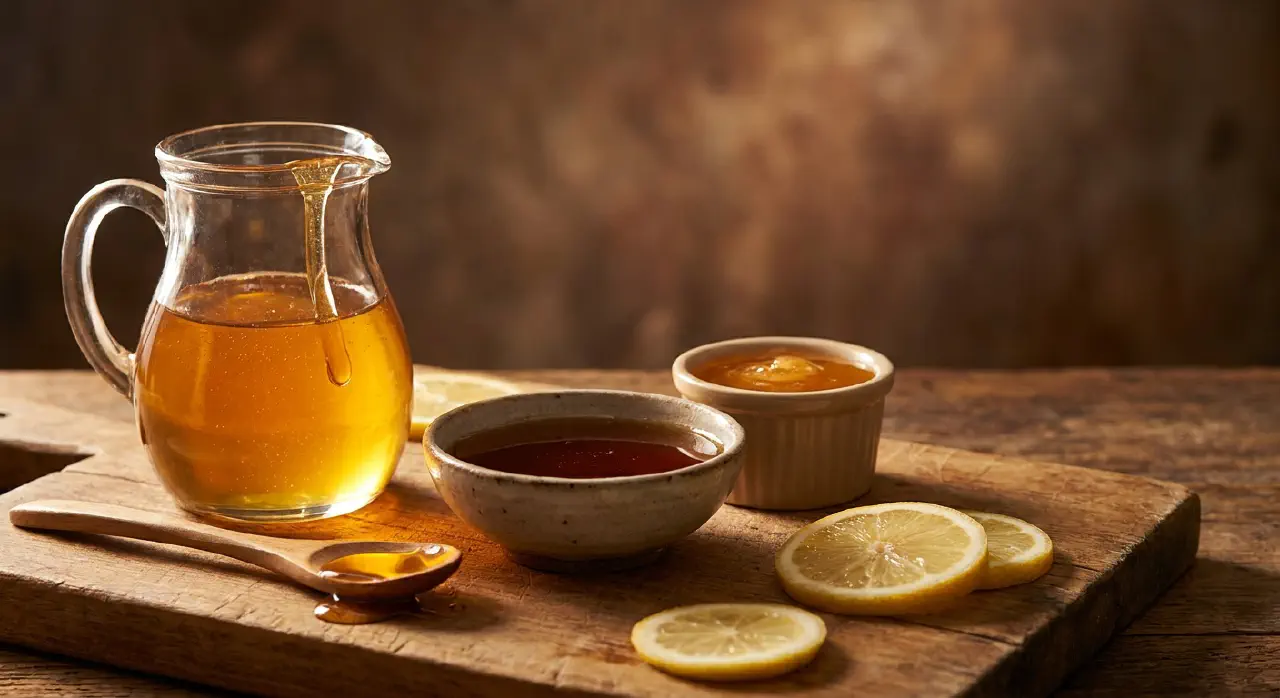
Syrups are concentrated sugar solutions that retain some or all of the flavor compounds, acids, and minerals from their source — unlike refined table sugar, which is pure sucrose. Each syrup has a distinctive chemical profile that determines its sweetness, viscosity, color, browning behavior, and crystallization tendency. Corn syrup dominates industrial confectionery because its long glucose chains physically prevent crystallization; maple syrup is prized for complex browning flavors; molasses carries the deepest mineral and caramel character.