Fish Safety
Fish Safety
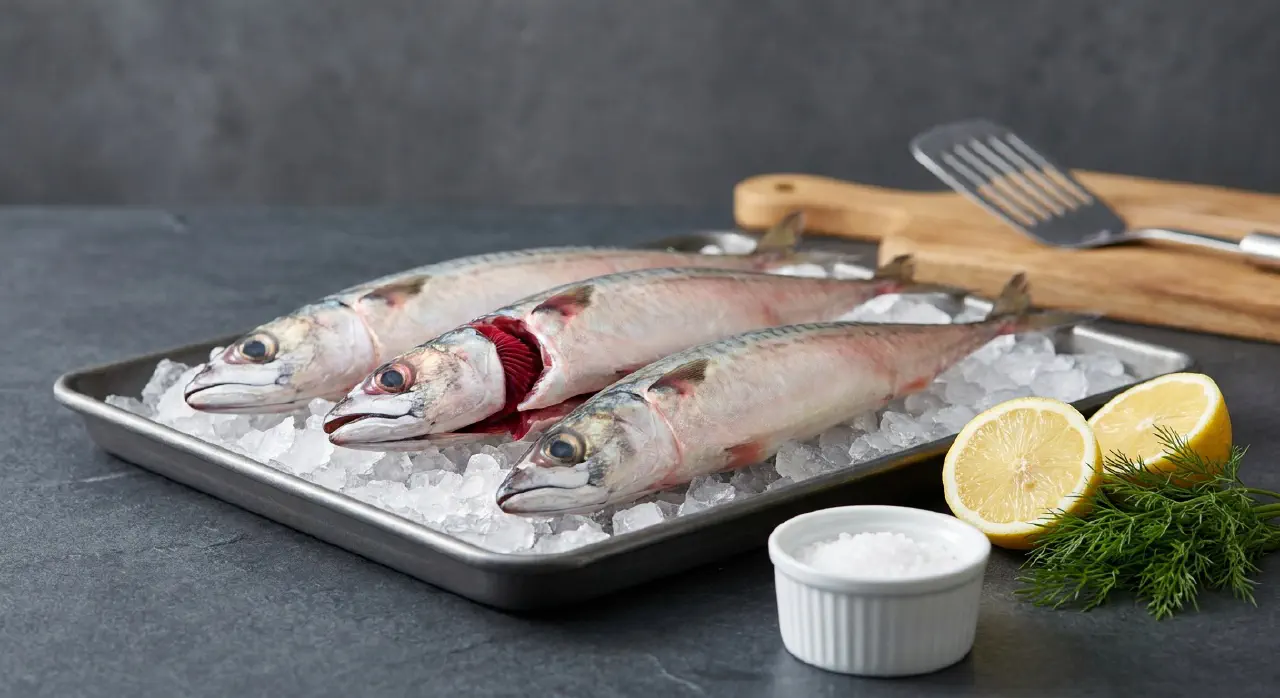
Fish presents a wider range of safety concerns than land animal meat, spanning industrial toxins that accumulate over years, biological pathogens, algal toxins that survive cooking, and parasites. The tradeoff is significant: fish also delivers unique health benefits — particularly omega-3 fatty acids — that make thoughtful consumption worthwhile.
Omega-3 Fatty Acids
Cold ocean water requires fish to maintain highly unsaturated fats that stay liquid at low temperatures. These omega-3 fatty acids (kinked at the third carbon from the end) are essential to human brain and retina development, and the body transforms them into anti-inflammatory immune signals (eicosanoids) that limit heart disease, reduce cancer risk from chronic inflammation, lower stroke incidence, and reduce blood cholesterol.
Lipid Chemistry
Lipid Chemistry
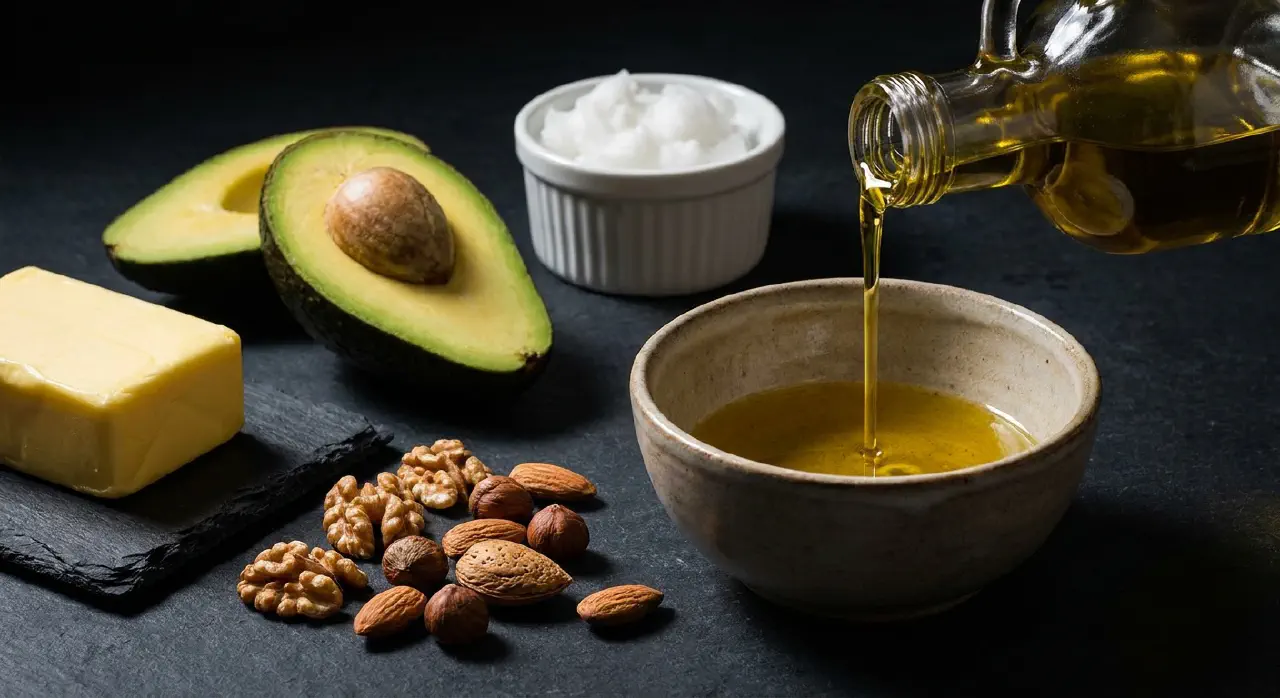
Lipids (from Greek for “fat”) are a large chemical family — fats, oils, phospholipids, pigments (carotenoids, chlorophyll), vitamin E, cholesterol, waxes — all consisting mainly of long carbon chains with projecting hydrogen atoms. Their defining property is hydrophobia: carbon-hydrogen bonds are nonpolar (atoms pull with equal force on electrons), so lipids cannot form hydrogen bonds with water. When mixed, polar water molecules bond with each other and nonpolar lipids segregate, minimizing contact. This single property — the oil-water divide — explains emulsions, fat rendering, oil-based extraction of aromas, and why fats float.
Seed Oils and Oil-Rich Seeds
Seed Oils and Oil-Rich Seeds
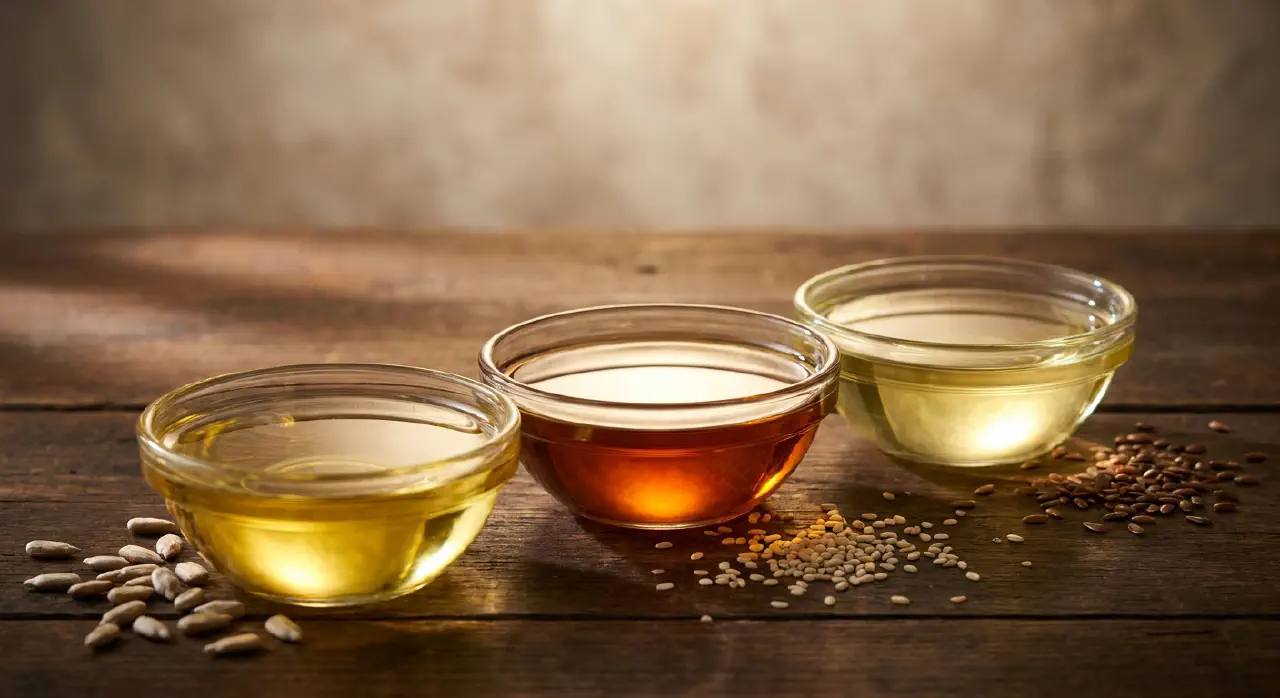
Seed oils extend the culinary reach of nuts and legumes into cooking fats and flavor carriers. The method of extraction — mechanical pressing or solvent dissolution — determines the oil’s flavor, allergenic potential, and suitable uses. Rancidity is the universal risk: all seed oils contain unsaturated fatty acids that oxidize into cardboard-and-paint-smelling fragments when exposed to light, heat, oxygen, or time.
Extraction methods
Cold-pressed (expeller-pressed): Cells are crushed and oil forced out by mechanical pressure. Heat from friction rarely exceeds boiling point. Trace compounds — including flavor molecules and potential allergens — remain. Used primarily as flavoring oils (stronger, distinct character). Flavor intensifies further if seeds are roasted before pressing.