Alliums
Alliums
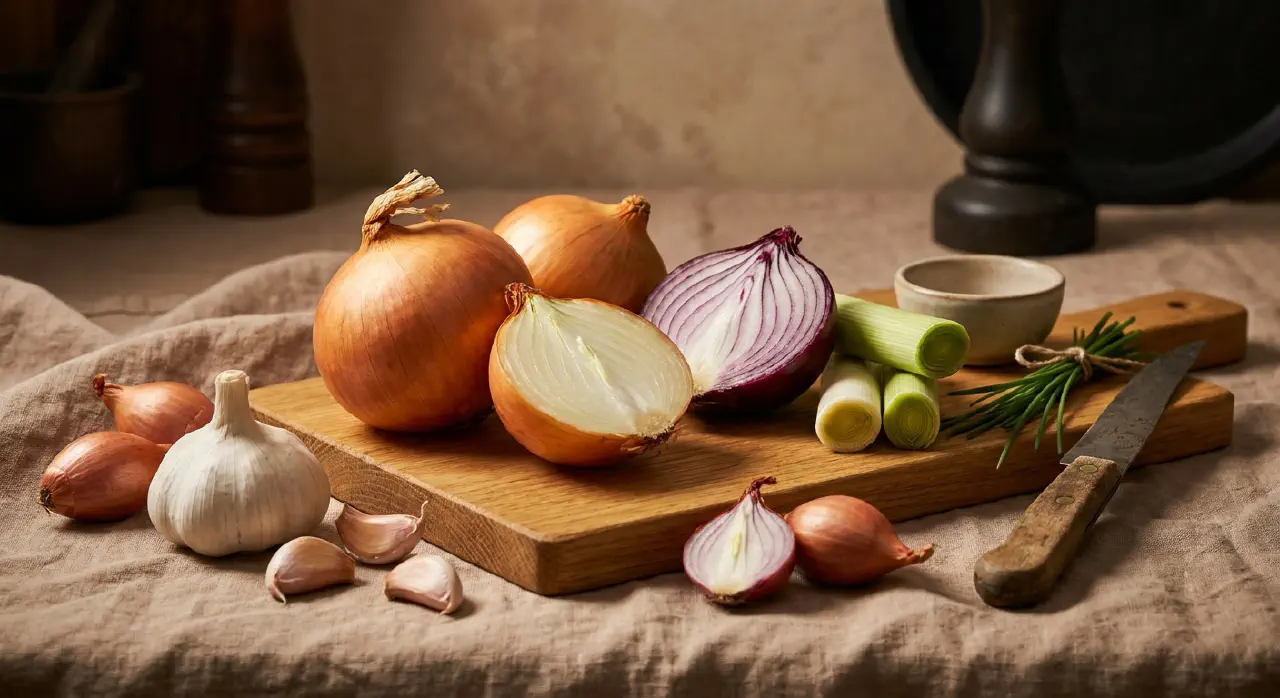
About 500 species in the genus Allium (lily family), native to northern temperate regions, with ~20 important food species and a 3,000+ year culinary history. The allium family is the aromatic backbone of most savory cooking worldwide, defined by sulfur chemistry that makes them pungent raw and sweet when cooked. All alliums store energy as fructose chains (not starch), which is why long slow cooking breaks them down to produce marked sweetness.
Cabbage Family
Cabbage Family
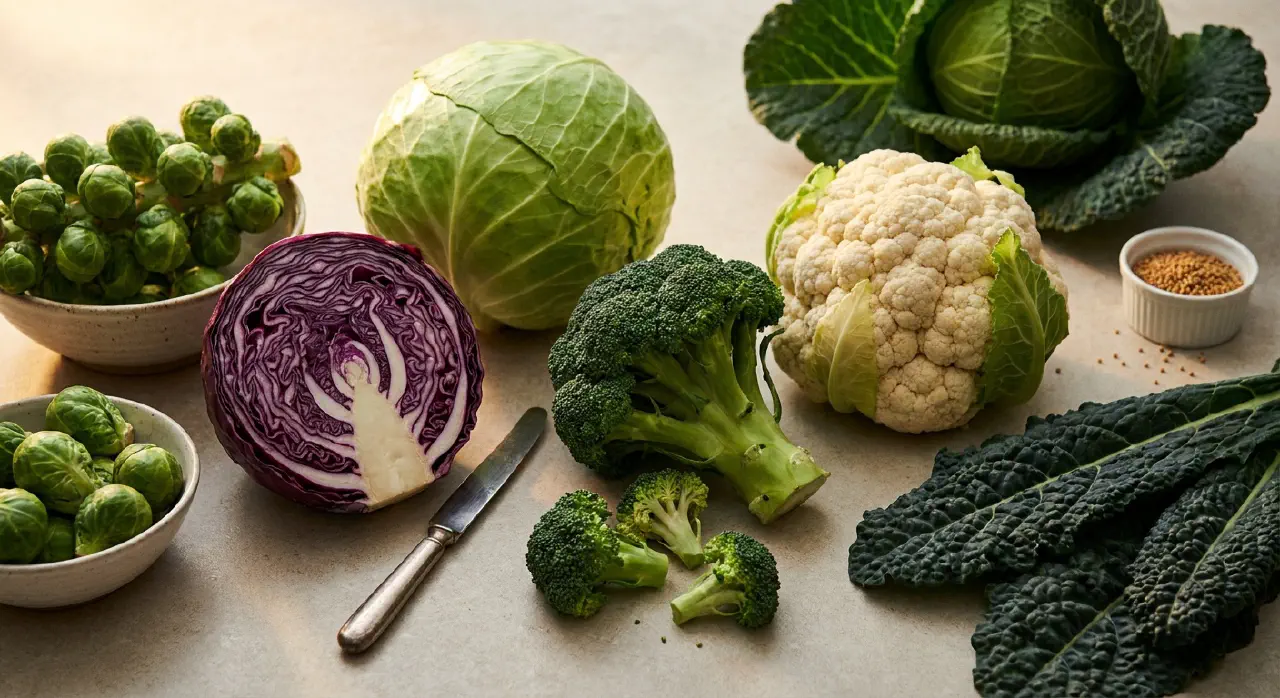
Two weedy Mediterranean and Central Asian natives (Brassica oleracea and B. rapa) have been bred into a dozen or more major crops: leaves (cabbage, kale, collards), flowers (broccoli, cauliflower), stems (kohlrabi), roots (turnip, rutabaga), and seeds (mustard). All share a formidable sulfur-and-nitrogen defense system — glucosinolates — that determines their flavor, their cooking behavior, and their health effects. Understanding glucosinolates is the key to cooking every brassica well.
Protein Structure and Enzymes
Protein Structure and Enzymes
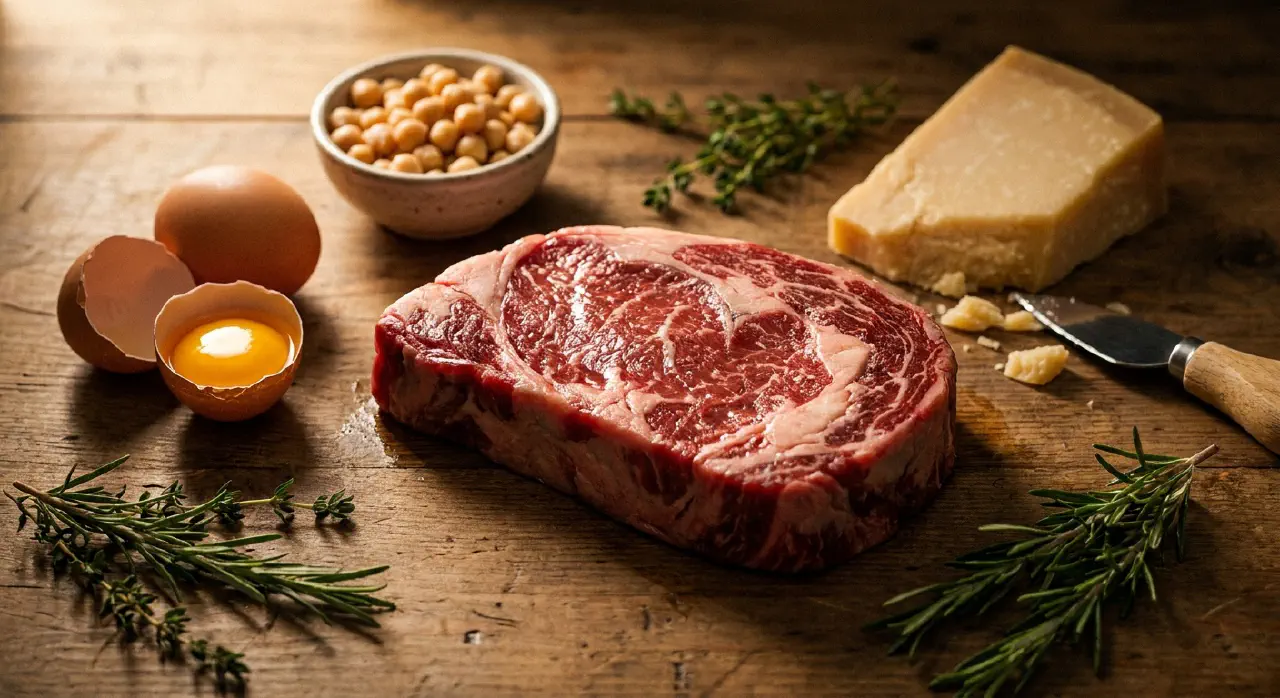
Proteins are the most challenging and sensitive of the four food molecules. Unlike water, fats, and carbohydrates (all relatively stable), proteins drastically change behavior when exposed to heat, acid, salt, or air. This sensitivity is fundamental — proteins are the active machinery of life, assembling and tearing down molecules, transporting materials within cells, forming muscle fibers that move whole animals. Their inherent dynamism is what makes them so responsive to cooking conditions.