Sous Vide Crème Caramel
Sous Vide Crème Caramel
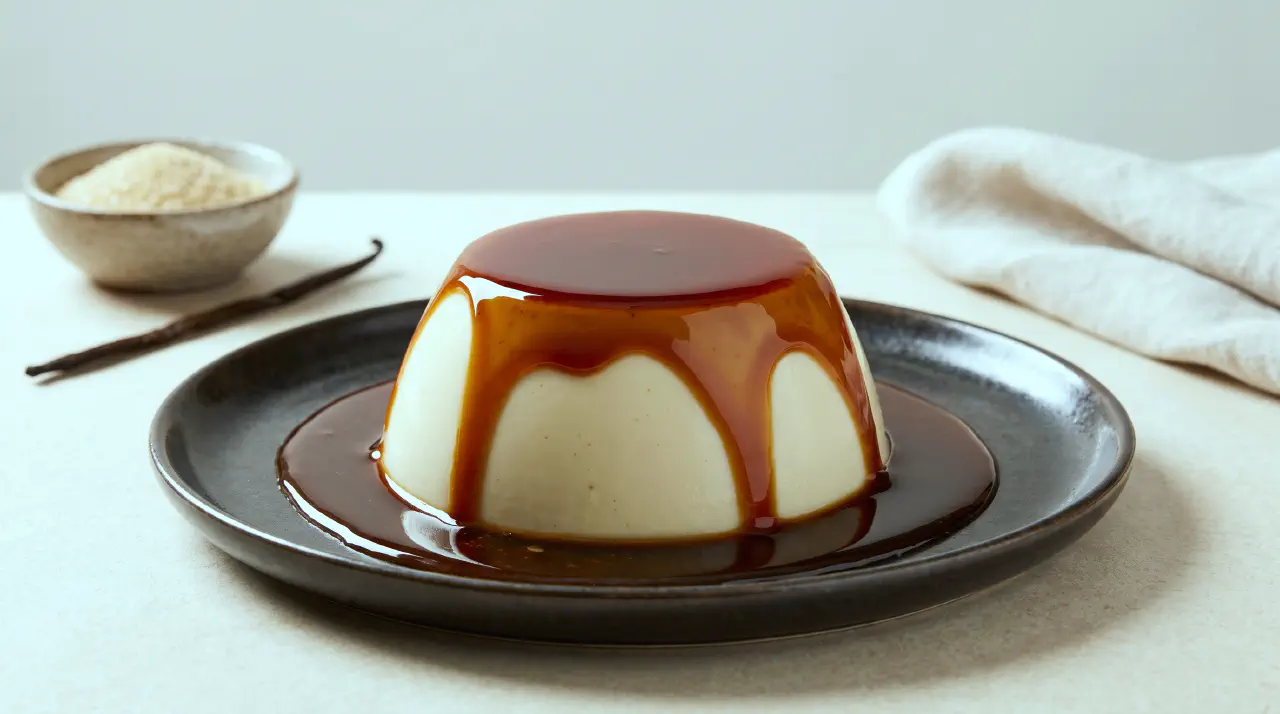
Crème caramel is the French name for what much of the world calls flan - a plain egg custard set over a layer of soft caramel, then turned out onto a plate so the caramel runs down as its own sauce. The dish shows up under different names in different places, but the underlying method never changes: a caramel goes into the bottom of the mold first, a custard goes on top, and the whole thing is unmolded upside down once it has fully chilled and set.
Cooking the custard in a sous vide water bath instead of an oven bain-marie removes the trickiest part of making crème caramel: the risk of the eggs overheating and curdling. An oven runs hotter than the custard’s target temperature and holds uneven pockets of heat, so a few unwatched minutes can turn a silky custard grainy. A water bath set to the custard’s exact target temperature can’t overshoot the same way, which is why cooks who’ve made both versions tend to trust it more.
The custard itself is simple: whole eggs and extra yolks, milk, cream, sugar, and vanilla, warmed gently and strained before it goes into the jars. Straining catches any bits of cooked egg and knocks out the air bubbles worked in during mixing - skip it, and the finished custard turns out cloudy or foamy instead of dense and glass-smooth. Underneath the custard sits a separate caramel, cooked to a deep amber on the stovetop and set in the bottom of the jars before the custard goes in, so it becomes a pool of caramel sauce once the jars are unmolded.
Because the jars need several hours in the fridge to fully set, crème caramel is a natural make-ahead dessert - cook it a day or more in advance, then unmold and serve straight from the fridge. That make-ahead ease, plus its plain, not-too-sweet flavor, makes it a good final course after a rich meal, when nobody wants anything heavier than an egg custard and its own caramel sauce.
Ingredients
Serves 4-6
The caramel
- 150 g granulated sugar
- 45 g water
The custard
- 2 eggs, large (about 100 g)
- 4 egg yolks, large (about 72 g)
- 133 g granulated sugar
- 1½ tsp pure vanilla extract (or seeds scraped from ½ vanilla bean)
- 240 ml whole milk
- 240 ml heavy cream
Directions
The caramel
Combine the sugar and water in a small saucepan over medium heat. Cook without stirring until the sugar dissolves and the mixture runs clear, about 5 minutes, then raise the heat to medium-high and keep cooking, still without stirring, until it turns a deep amber, 4-6 minutes more. Working quickly before it hardens, divide the caramel evenly among four to six small jars, swirling each one so the caramel coats the bottom in an even layer. Set the jars aside to cool while you make the custard.
The custard
Whisk the eggs, egg yolks, sugar, and vanilla together just enough to combine - this isn’t a step to beat air into, so keep it gentle. Warm the milk and cream together in a saucepan until hot but not boiling, then slowly whisk the hot milk and cream into the egg mixture to temper it, stirring gently rather than vigorously so you don’t work in bubbles. Strain the custard through a fine sieve directly into the caramel-lined jars, dividing it evenly and leaving a little headspace at the top. Let the filled jars sit for a few minutes so any surface bubbles rise and can be skimmed off before they set into the custard.
To assemble
Set up a sous vide water bath and heat it to 176°F (80°C). Screw the lids onto the jars finger-tight only - just enough to keep water out, loose enough to vent air and steam as the jars heat, since a fully tightened lid can crack or shatter the glass under pressure. Lower the jars into the bath so they’re fully submerged and cook for 1 hour, checking that the custard has set into a gentle, whole jiggle rather than sloshing like liquid.
Lift the jars out and let them cool on the counter, then refrigerate for at least 4 hours, ideally overnight, so the custard finishes setting and the caramel has time to soften into a sauce. To unmold, run a thin knife around the inside edge of the jar to break the seal, then invert onto a plate. If a jar doesn’t release right away, dip it briefly in hot water or warm the outside with your hands, then invert again - the caramel will run down over the custard as it comes free.
Notes
Cook time tracks jar size, not the water bath temperature: the times above are for standard 4-6 oz (120-180 ml) jars. Larger 8 oz jars need closer to 1 hour 30 minutes, while smaller, shallow molds can set in as little as 40 minutes - always check for a whole-jar jiggle rather than trusting the clock alone.
Swapping the milk and cream for canned condensed and evaporated milk turns this into a Filipino-style leche flan - a legitimate variation, not a shortcut, though it produces a sweeter, denser custard than the classic French version above. Extend the cook time to roughly 2-2.5 hours if you make the swap.
See Also
All about vanilla egg creams and custards
Egg Custard
Foie gras terrine - made sous vide
Homemade caramels - fudge - caramel sauce for ice cream
Lemon Tart