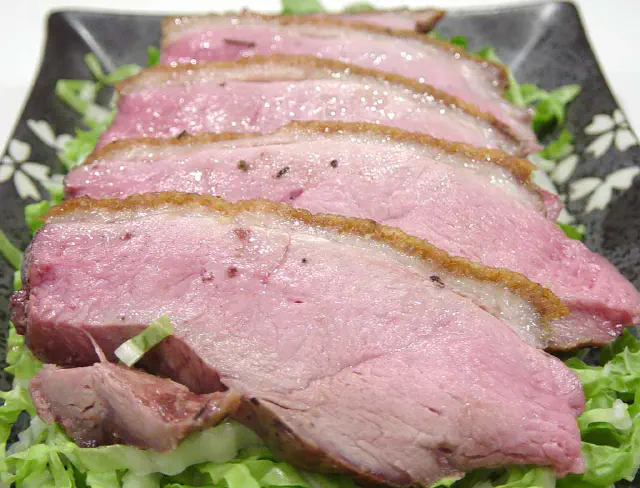
Sous Vide Duck Breast
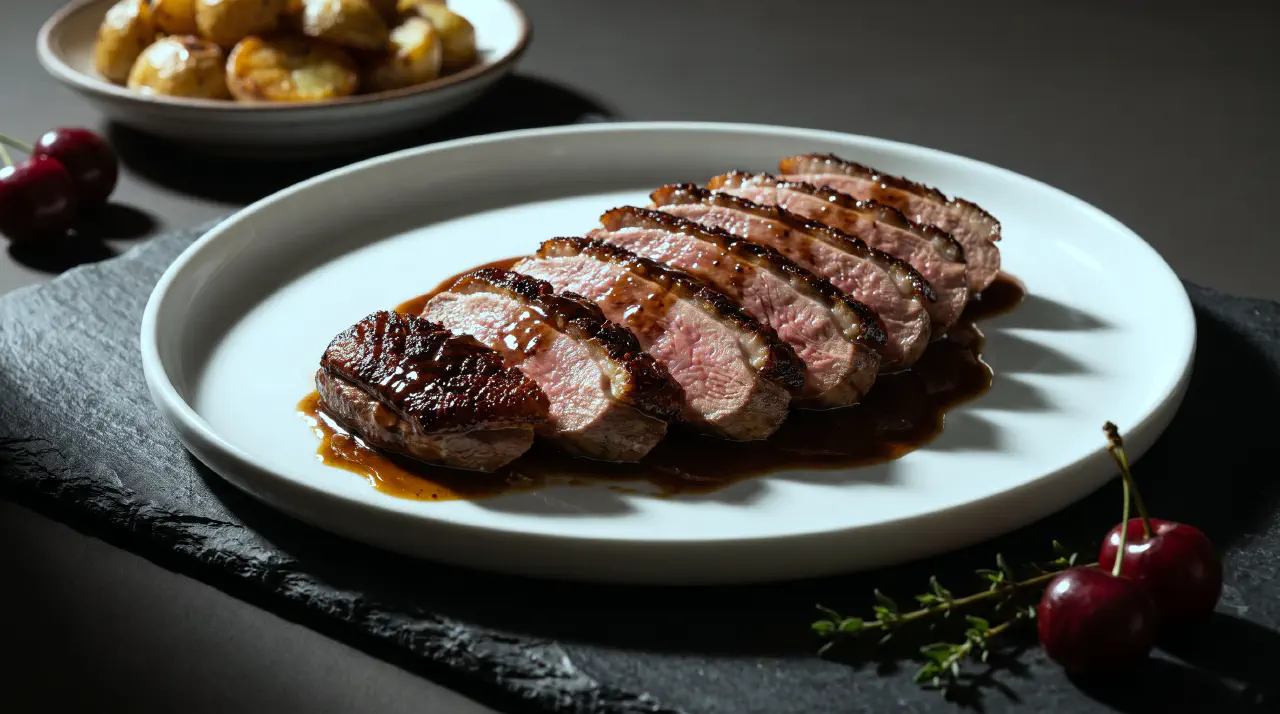
Sous Vide Duck Breast
Duck breast, or magret, is the kind of cut that punishes a heavy hand: push it past medium and the meat turns tight and liverish, but pull it too early and the fat cap stays chewy instead of rendering into something worth eating. A precision water bath removes that gamble almost entirely. The breast cooks gently to an exact temperature and holds there, so the meat comes out an even rosy pink from edge to edge, with none of the gray overcooked band that a hot pan alone tends to leave behind.
The method here works the fat twice. A cold-start sear before bagging melts most of the fat cap slowly, without scorching the skin, and a second hard sear after the bath finishes the job, driving off any last moisture and cracking the skin properly crisp. Sous vide alone never browns anything, so that finishing sear is not optional - it is the step that turns a gently poached breast into something with real texture on top.
The result is rich, dense meat, closer to a good steak than to chicken or turkey, wrapped in skin that shatters instead of chewing. Duck fat rendered off during both sears is worth keeping rather than pouring away; it is one of the better cooking fats in the kitchen and turns ordinary roast potatoes into something special.
Magret de canard comes out of southwest France, from the same ducks raised for foie gras, and French bistros have served it simply seared and sliced for generations. The sous vide version keeps that classic profile, crisp skin over pink meat, sliced thin, but takes the guesswork on timing out of the kitchen. Optional thyme and garlic, warmed briefly against the meat during the pre-sear, add a background note without needing to go anywhere near the vacuum bag.
Because the water bath ties up a couple of hours, this reads more as a weekend or dinner-party dish than a weeknight one, even though the hands-on work is just the two sears. Serve it sliced on warm plates with a simple pan sauce built from the drippings, or alongside roasted potatoes finished in the reserved duck fat. A sharp fruit element, cherries, oranges, or a splash of good vinegar, cuts the richness well and is the classic pairing for this dish.
Ingredients
Serves 2-4
- 2-4 duck breasts (magret), skin-on and boneless, 170-280 g each, fat cap trimmed to an even 0.6 cm
- kosher salt, to taste
- black pepper, freshly ground, to taste
- 4-8 sprigs fresh thyme, optional
- 4-6 garlic cloves, smashed, optional
Directions
Score the duck skin in a crosshatch pattern, cuts spaced about 1/2 inch apart, slicing through the fat but stopping short of the meat. Pat the breasts completely dry, then season generously with salt and pepper on both sides. For deeper flavor, do this the night before and refrigerate the breasts uncovered, skin-side up.
Place the breasts skin-side down in a cold, dry skillet and set it over medium-high heat. Let the fat render gradually as the pan heats up, 6 to 8 minutes, until the skin is lightly browned. If using thyme and garlic, flip the breasts for the last 30 seconds so the aromatics warm briefly against the meat side, then discard the garlic and wipe the skillet clean. This cold start renders more fat than dropping the duck into an already-hot pan, without scorching the skin before the fat underneath has had time to liquefy.
Let the breasts cool slightly, then vacuum-seal them individually or in pairs.
Preheat the water bath to 135°F (57°C) and submerge the bagged breasts. Cook for 2 hours; the acceptable window runs from 90 minutes up to 2 hours, and going shorter than 90 minutes is not recommended even for a smaller breast, since the time is set by thickness for food-safety reasons rather than by total weight.
Remove the breasts from the bags, discard the liquid, and pat the duck very dry with paper towels - any moisture left on the skin steams instead of crisping. Reserve any rendered fat in the bag for another use.
Heat the same skillet over medium-high to high heat until just smoking. Lay the breasts skin-side down, pressing gently for even contact, and sear until deeply golden brown and crisp, 2 to 5 minutes. Flip and sear the meat side briefly, about 30 seconds, just to warm it through.
Rest the duck for 5 minutes, then slice crosswise into strips about 1/2 inch thick and serve.
Notes
For a rarer result, cook at 130°F (54°C) instead, anywhere from 45 minutes up to 4 hours. It is well supported as an alternative, but 135°F (57°C) is the more commonly recommended target for a classic medium-rare, rosy-pink result and is the better default.
Save the rendered duck fat from both sears - strained and refrigerated, it keeps for weeks and makes exceptional roast or fried potatoes.
Duck breast size varies widely, and the water bath time barely needs adjusting for it within the 90-minute to 2-hour window. Don’t shorten the bath below 90 minutes even for a small breast; the timing is about pasteurization at a given thickness, not about finishing faster.
See Also
Air Fryer Duck Breast
Beef Cuvette - Red Meat Sous Vide
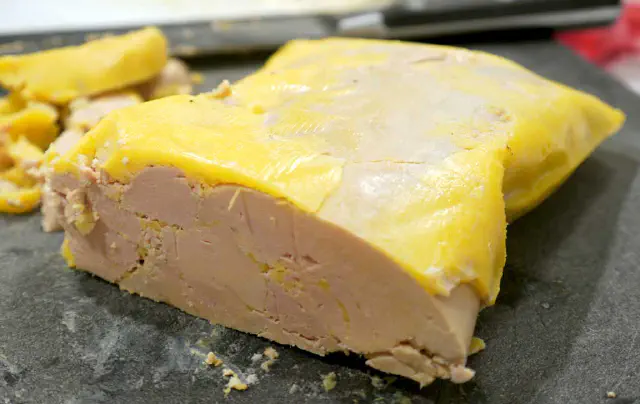
Foie gras terrine - made sous vide
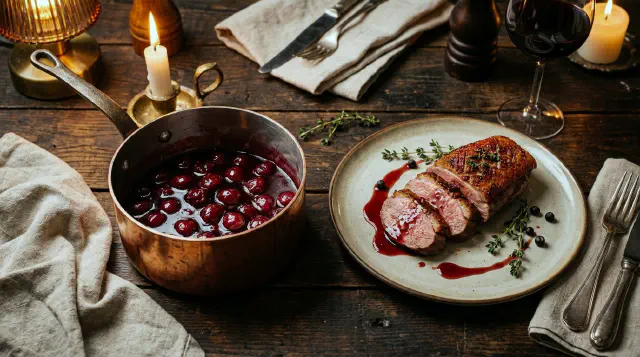
Sauce aux Cerises (Cherry Sauce)