Sous Vide Garlic Confit
Sous Vide Garlic Confit
Confit is older than any single dish - a French method for holding meat or vegetables in fat at a low, steady heat until they turn soft, before refrigeration ever existed to do the preserving for you. Garlic takes to it unusually well: raw cloves that would bite back in a salad turn sweet, mellow, and spreadable, and the oil they cooked in comes out the other side infused with everything the garlic gave up. A water bath doesn’t change the technique, just its precision - it replaces a stovetop’s imprecise, hard-to-hold simmer with one exact temperature, the same trade sous vide makes for a steak or a fillet of fish.
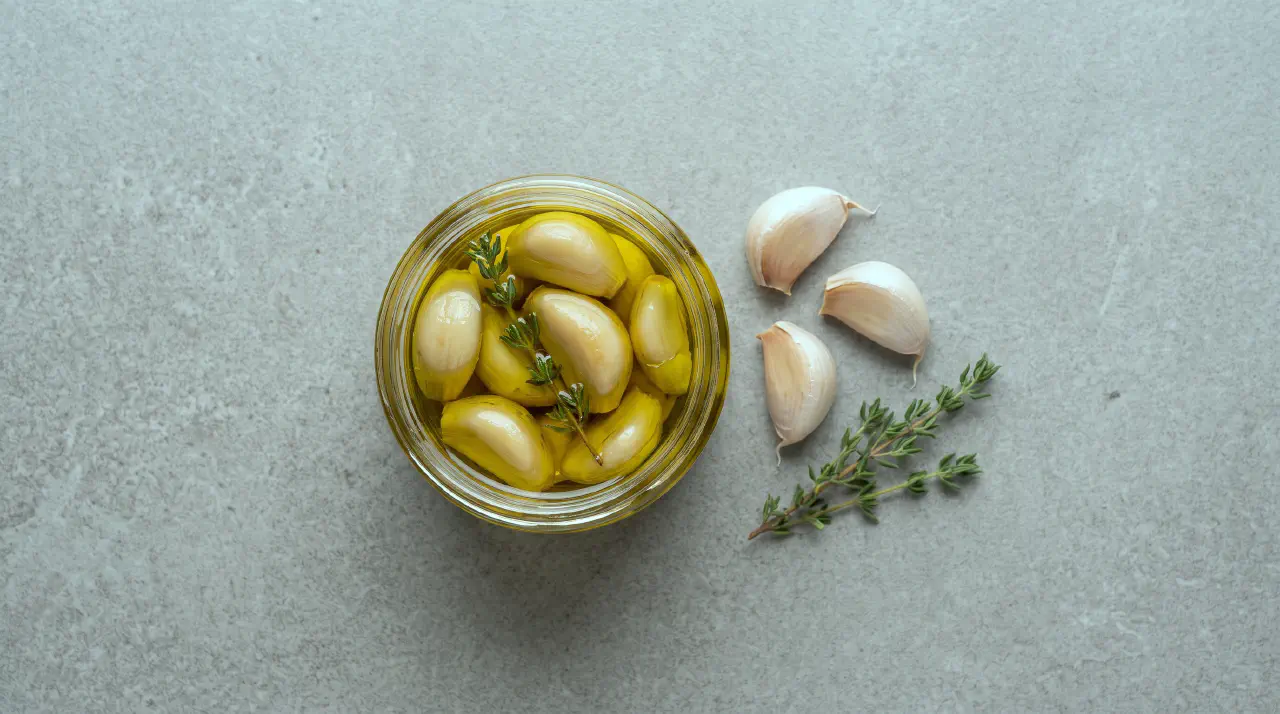
The method itself is plain. Peeled cloves go into a bag or jar, olive oil is added until every clove is fully covered, salt goes in for seasoning, and an herb sprig can go along for the ride if you want one. The water bath does the rest, holding everything just below a simmer for hours until the cloves are tender enough to crush with the back of a fork.
Garlic confit also carries a reputation problem, and it’s worth naming directly rather than glossing over: garlic held in oil is a known botulism-risk food, because the oil creates exactly the low-oxygen environment that bacterium needs to grow. The cooking temperature itself isn’t the issue - it’s nowhere near hospitable for it - but what happens to the jar afterward is. Recipes that treat “garlic in oil” as a casual pantry condiment tend to skip this part; a sous vide version, cooked with a thermometer’s precision, is the wrong place to get casual about the one step that actually matters.
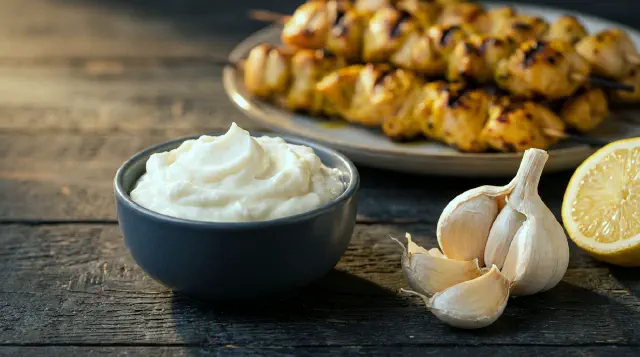
Handled properly, it’s one of the more useful things to keep in the fridge. A clove mashes into a paste on its own, gets stirred into a vinaigrette or a pan sauce, or folds straight into mashed potatoes in place of the raw or roasted kind. The leftover oil is just as good - garlic-infused, ready for a drizzle over bread or a base for the next thing you sauté.
Ingredients
Makes about 1 jar (1 cup)
- 140 g garlic cloves, peeled (about 25-30 medium cloves)
- 120-180 ml extra virgin olive oil, or more as needed to fully submerge the cloves
- 1 tsp fine sea salt (or 1 tbsp kosher salt), to taste
- 1 sprig fresh thyme (or rosemary), optional
Directions
Peel the garlic cloves and place them in a vacuum-seal bag, a zip-top freezer bag, or a small mason jar.
Preheat the water bath to 190°F (88°C). Add the olive oil - enough to cover every clove completely - along with the salt and the herb sprig, if using.
Seal the bag with a vacuum sealer on a low or moist setting, or press the air out using the water-displacement method for a zip-top bag. For a jar, screw the lid on finger-tight only, not fully torqued, and lower it gently into the preheating bath so the glass doesn’t see a sudden shock of heat.
Submerge and cook for 4 to 6 hours, keeping the cloves fully submerged in oil the whole time. They’re ready when a clove crushes easily under a fork, soft all the way through.
Take the bag or jar out of the bath and plunge it straight into an ice bath to bring the temperature down fast. This step isn’t optional: garlic sitting in oil is a low-oxygen environment where Clostridium botulinum can grow if it’s allowed to cool slowly or sit out at room temperature, even though the cooking temperature itself is far too high for the bacterium to survive. Once the confit is cold, transfer it to an airtight container and refrigerate it - never leave it at room temperature - and use it within 1 to 2 weeks, or freeze it for longer storage.
Notes
For a bigger batch, or to treat the infused oil as the real point rather than the garlic, use more oil relative to garlic - up to roughly equal parts by weight - and extend the cook to 8 to 10 hours. A splash of cider or sherry vinegar can go in as an extra acidification step if making that larger batch.
The confited cloves mash easily with a fork: spread on bread, stir into a dressing or pan sauce, or work into mashed potatoes. The oil left behind is garlic-infused and worth keeping on its own, for finishing a dish or starting the next one.
Treat the storage window as fixed, not a suggestion. Cool the confit in an ice bath immediately after cooking, keep it refrigerated and never at room temperature, and use it within 1 to 2 weeks; freeze it for up to 3 months if it needs to last longer. Botulinum toxin doesn’t announce itself with an off smell - when in doubt, throw it out.
See Also
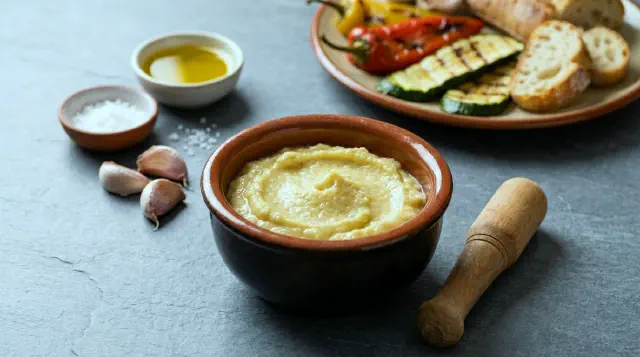
Alioli (Traditional Spanish Garlic and Olive Oil Emulsion)

Burmese Crispy Garlic Oil
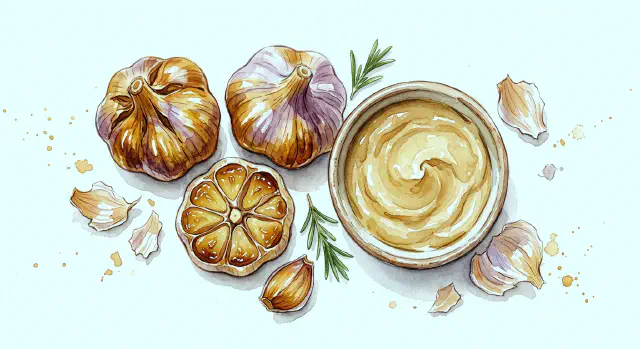
Roasted Garlic Paste
Shallot Confit (Dầu hành phi)