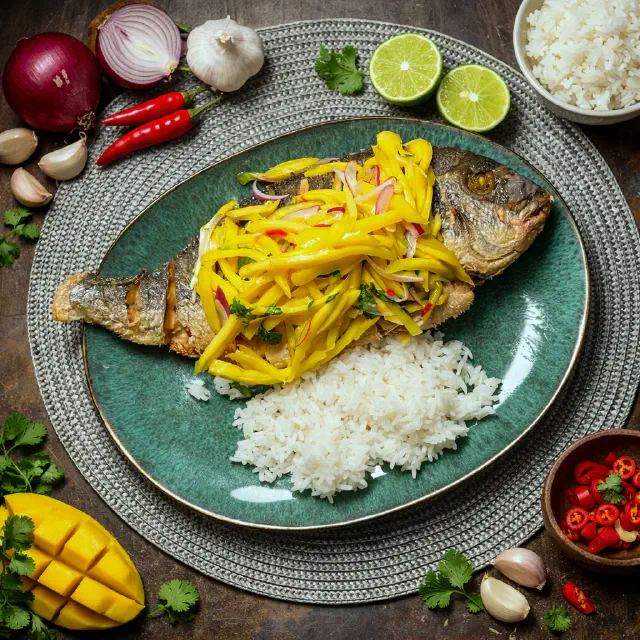
Sous Vide Sea Bass
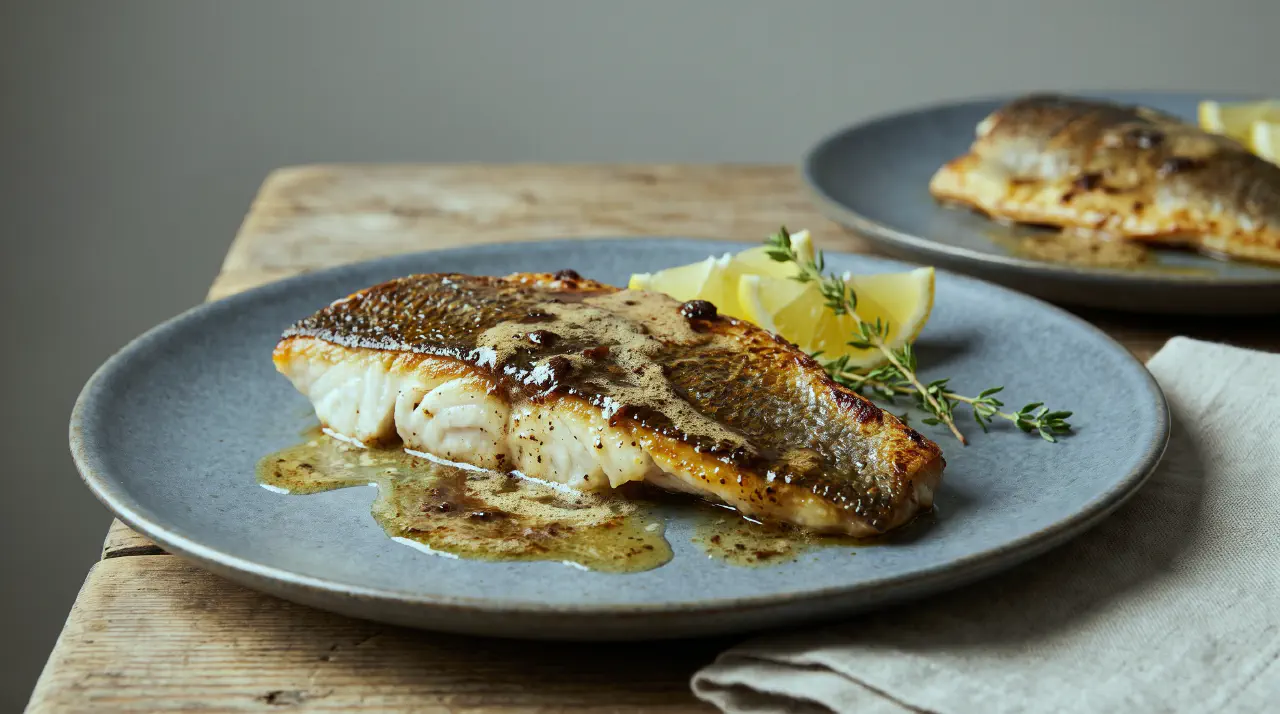
Sous Vide Sea Bass
Sea bass turns up at the fish counter under more names than almost any other fish - European sea bass (branzino), the much fattier Chilean sea bass, black sea bass, barramundi sold as “Asian sea bass.” All of them take well to the same sous vide treatment: a long, gentle soak in a precisely heated water bath that leaves the delicate flesh moist and just past translucent, finished with a hard, hot sear that crisps the skin without cooking the fish underneath any further.
The method itself has no home cuisine. It comes out of the wider sous vide cooking community rather than any single country’s kitchen, and it suits sea bass especially well because the fish is thin-fleshed, mild, and prone to drying out fast under direct heat. Sous vide removes that risk almost entirely - set the bath, cook to time, and the fish comes out exactly as done as the temperature dictates.
At 132°F (56°C) for 30 minutes, the fillets turn out tender and clearly flaky, sitting between the near-raw “delicate” style some chefs prefer and the firmer, more traditionally cooked texture at higher temperatures. Patting the skin bone-dry and searing it hard in butter afterward is what actually makes the dish - the water bath does the cooking, the pan does the texture. If working with the fattier Chilean sea bass, skip the sear altogether; the flesh is soft enough to fall apart under pan contact, so it’s better served straight from the bag.
This isn’t an occasion centerpiece so much as a clean, fast dinner once the water bath is up to temperature - a squeeze of lemon and something simple on the side, like steamed vegetables, rice, or a green salad, is all it needs.
Ingredients
Serves 4
- 4 sea bass fillets, skin-on, about 170-200 g each - European sea bass (or Chilean sea bass), ideally previously frozen or sushi-grade
- kosher salt
- black pepper, freshly ground
- 4 tsp extra-virgin olive oil, divided, for the bag, optional
- 2 tbsp unsalted butter, for the sear
- 1 tbsp flour, for dusting the skin before searing, optional
- thin lemon slices, for the bag, optional
- 2 sprigs thyme, for the bag, optional
- 1 garlic clove, thinly sliced, for the bag, optional
- lemon wedges, to serve
Directions
Season the sea bass fillets generously with kosher salt on both sides, then rest them, uncovered, in the refrigerator for 30 minutes. This dry brine is optional, but it firms up the flesh and seasons it through - pat the fillets dry again afterward if any moisture has beaded on the surface.
Preheat the water bath to 132°F (56°C). This is the sweet spot for sea bass: moist, tender, and clearly flaky, without tipping into the firmer, more traditionally cooked territory above 140°F (60°C).
Season the fillets with pepper. Place each one, skin-on, in its own vacuum-seal or zipper-lock bag with a teaspoon of the olive oil if using, plus any of the lemon slices, thyme, or garlic you like. Seal on a gentle vacuum setting, or use the water-displacement method for a zipper-lock bag - bagging the fillets separately keeps the water bath heating them evenly. The bag can also be left completely dry - the oil is entirely optional, since the finishing sear in butter supplies plenty of richness on its own.
Submerge the bags and cook for 30 minutes for fillets around an inch (2.5 cm) thick.
Take the fillets out of the bags and pat them very dry with paper towels - this matters more here than with most fish, since any surface moisture will steam instead of crisp the skin. If using the fattier Chilean sea bass, consider skipping the sear entirely and serving the fillets straight from the bag instead, since the flesh can fall apart under pan contact.
Dust the skin lightly with flour if using. Heat the butter in a skillet over high heat until the foaming subsides, then lay the fillets in skin-side down, pressing gently with a spatula if they curl. Sear for 30 seconds to 2 minutes, until the skin is deeply golden and crisp, then flip briefly for 15 to 30 seconds to warm the flesh side - or serve skin-side up without flipping.
Serve immediately with lemon wedges, spooning a little of the browned butter over the top.
Notes
Treat the temperature as a dial, not a single right answer. Sea bass sous vide recipes all land within the same general band, but the texture shifts noticeably across it:
- 118-122°F (48-50°C), 10-30 min - the delicate style: tender and close to translucent at the center, favored by some chefs for a near-sashimi finish. Needs very fresh, high-quality fish, since so little of the interior actually cooks.
- 130-135°F (54-57°C), 30 min - the standard used here: moist, tender, and clearly flaky. This is the combination most home cooks land on for sea bass.
- 140°F (60°C) and up - firmer, moving toward chewy. Generally avoided unless the fish hasn’t been previously frozen (see below).
Sous vide sea bass at these temperatures does not pasteurize the fish. Use fillets that are sushi-grade or have been previously frozen. If neither is available, cook at 140°F (60°C) or above instead of the shorter default.
“Sea bass” covers several unrelated fish sold under the same name - European sea bass (branzino), Chilean sea bass (much fattier and softer), black sea bass, and barramundi. All cook to the same time and temperature, but the fattier Chilean sea bass is the one that tends to fall apart when seared; serve it straight from the bag instead.
A broiler, 3 minutes with the fillets skin-side up, works as well as the stovetop sear for crisping the skin.
Bag fat and aromatics are flavor variants, not core to the method - lemon, thyme, and garlic can be added or left out freely, and the oil in the bag is easy to skip entirely.
See Also
Beef Cuvette - Red Meat Sous Vide
Classic Fried Fish Fillets
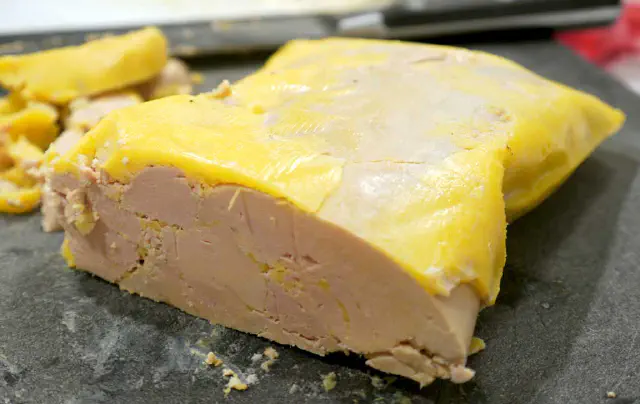
Foie gras terrine - made sous vide

Grilled Fish on Charcoal
Steak - Cooking Methods Guide