Sous Vide Swordfish
Sous Vide Swordfish
Swordfish is a dense, meaty fish - steak-like enough that it’s often grilled or pan-seared like one - but that density is deceptive. Push it a few degrees past done on a hot grill and it turns dry and chalky just as fast as a delicate fillet does, only without the warning signs of flaking apart first. Sous vide removes the guesswork by holding the steak in a precisely controlled water bath well below the heat of a grill or skillet, so it never has the chance to overshoot.
The technique isn’t tied to any single cuisine. It comes out of the wider sous vide cooking community - home cooks and professional kitchens working with immersion circulators - and gets applied to swordfish with whatever flavors a cook has on hand, from a plain herb butter to a Sicilian lemon-oregano marinade to a soy-ginger glaze. The core method stays the same underneath all of it: a light coating of fat in the bag, a controlled temperature, and a short cook.
At 130°F (54°C) for 30 to 45 minutes, the steak comes out firm, moist, and clearly flaky - the texture this method is built around. A brief sear afterward, just long enough to color the surface, adds the crust and grilled flavor people expect from swordfish without cooking the tender interior any further.
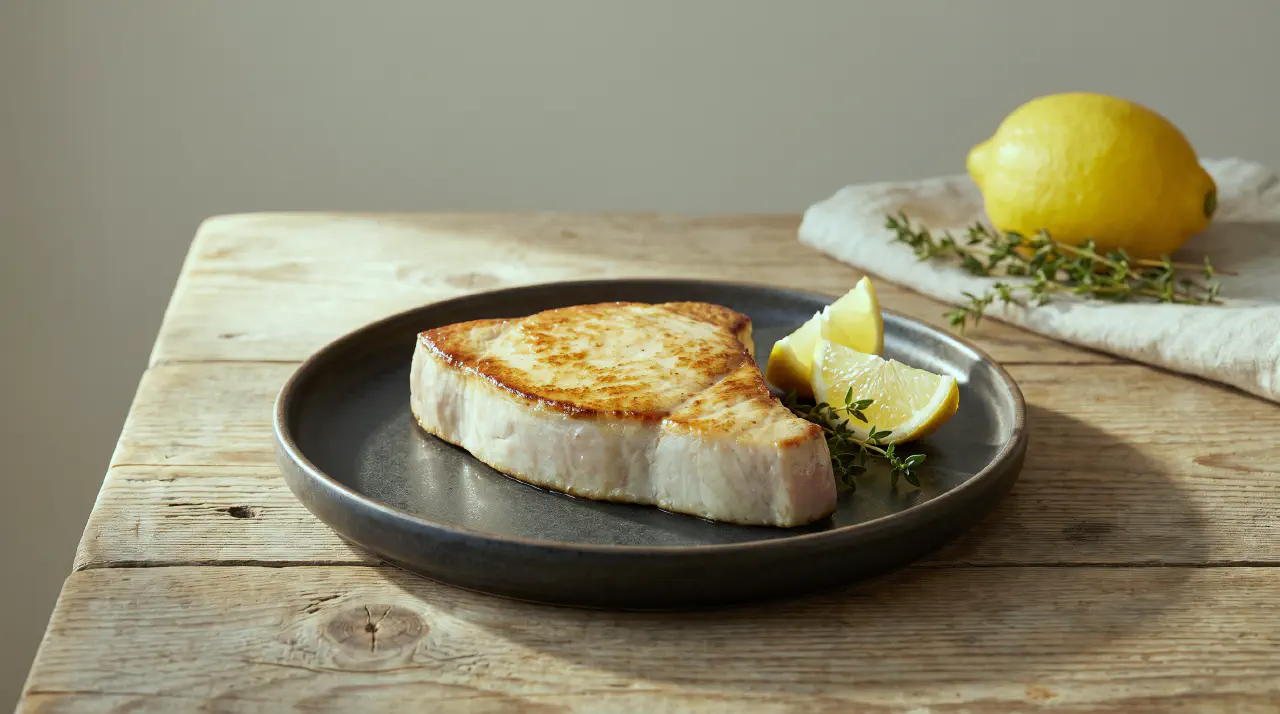
Because the steak is dense enough to hold its shape, it plates whole rather than flaking apart the way a piece of cod or halibut would. That makes it an easy centerpiece for a simple dinner - a squeeze of lemon, something green on the side, and little else needed.
Ingredients
Serves 4
- 4 swordfish steaks, about 170-227 g each, 2.5-4 cm thick, skin and dark bloodline trimmed if present, ideally sushi-grade or previously frozen
- kosher salt
- black pepper, freshly ground
- 4 tbsp extra-virgin olive oil, for the bag
- 4 sprigs fresh thyme, for the bag, optional
- 1 lemon, zest of, for the bag, optional
- 2 garlic cloves, thinly sliced, for the bag, optional
- 2 tbsp neutral oil (or unsalted butter), for the sear
- lemon wedges, to serve
Directions
Season the swordfish steaks generously with kosher salt on all sides, then rest them, uncovered, in the refrigerator for 30 minutes to an hour. This dry brine is optional, but it firms the texture and seasons the fish through - pat the steaks dry again before bagging if any moisture has beaded on the surface.
Preheat the water bath to 130°F (54°C), the sweet spot for swordfish’s clearest payoff: firm, moist, and clearly flaky, short of the dry, chewy territory that starts past 140°F (60°C).
Season the steaks with pepper, then place each one in its own vacuum-seal or zip-top bag with a tablespoon of olive oil and any of the thyme, lemon zest, or garlic you’re using. Seal on a gentle vacuum setting, or use the water-displacement method for a zip-top bag - bagging the steaks individually keeps the water bath heating them evenly.
Submerge the bags and cook for 30 to 45 minutes for steaks around 1 to 1½ inches (2.5 to 4 cm) thick, as little as 15 to 20 minutes for a thinner steak, up to an hour for a thicker cut or one cooked from frozen. Don’t leave swordfish in the bath much past that hour - unlike a cut of red meat, it doesn’t get more tender the longer it sits, and the texture turns dry well before the clock runs out.
Take the steaks out of the bags and pat them very dry with paper towels. Surface moisture is the main thing standing between the fish and a good crust.
Heat the neutral oil or butter in a skillet over high heat until shimmering or lightly smoking, then sear the steaks 30 seconds to 2 minutes per side - or one side only, for a clean presentation - just until browned. Don’t try to sear it the way you would a raw steak; the fish underneath is already cooked, and a longer sear only overcooks it.
Serve right away with lemon wedges, plating the steaks whole rather than flaking them apart.
Notes
Temperature here is a dial more than a single right answer. Stay under 140°F (60°C), but expect the texture to shift noticeably along the way:
- 122-125°F (50-52°C) - very tender, silky, and only just cooked, close to a sashimi texture. The shortest safe cook times fall here too, as little as 15 to 20 minutes for a thin steak.
- 130-132°F (54-55.5°C) - the default used in this recipe: firm, moist, and clearly flaky.
- 134-140°F (56-60°C) - firmer and more traditionally “cooked,” still moist if it isn’t held too long, but 140°F (60°C) is the practical ceiling before the fish turns dry, chewy, or chalky.
Sous vide swordfish at these temperatures does not pasteurize the fish - true pasteurization needs a higher temperature or a much longer hold. Use steaks that are sushi-grade or have been previously frozen, standard for most commercial swordfish but worth confirming with the fishmonger.
Trim the dark red “bloodline” muscle from the steak before bagging if it’s still present. It carries a stronger, more fishy flavor than the rest of the meat.
A marinade or sauce - a Sicilian lemon-oregano salmoriglio, a soy-ginger glaze, a tomato-olive puttanesca - can replace the plain olive oil in the bag as a flavor variant without changing the core temperature or time. Saucy versions like these are usually served straight from the bag instead of finished with a sear.
See Also
Beef Cuvette - Red Meat Sous Vide
Classic Fried Fish Fillets
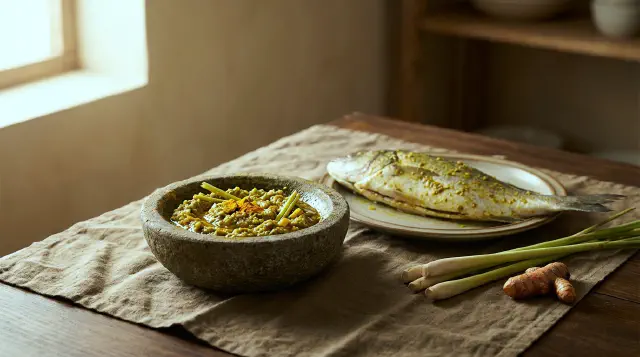
Fish Marinade
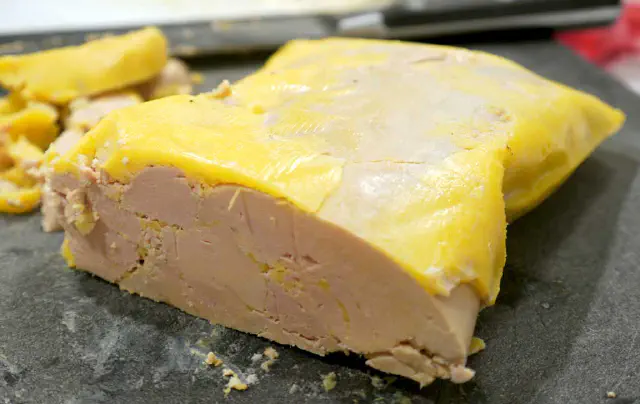
Foie gras terrine - made sous vide