Berries
Berries
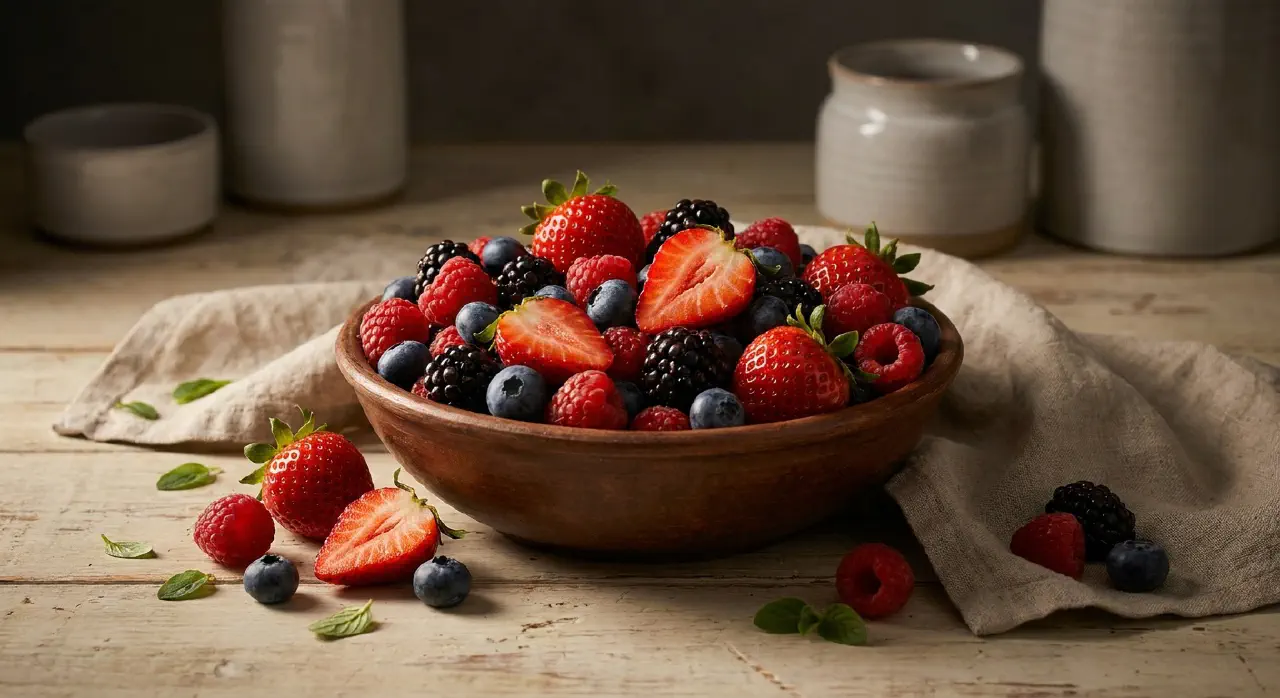
In culinary terms, the small fruits borne on bushes and low plants (rather than trees) — most native to northern woodlands. As a group, berries are the most fragile, perishable, and phenolic-rich fruits in the kitchen. Most are non-climacteric or nearly so, meaning quality is essentially fixed at harvest. Their intense colors come from anthocyanin pigments, and their concentrated flavors — far more intense in wild forms — make them both the most rewarding and most time-sensitive fresh fruits to work with.
Pome Fruits
Pome Fruits
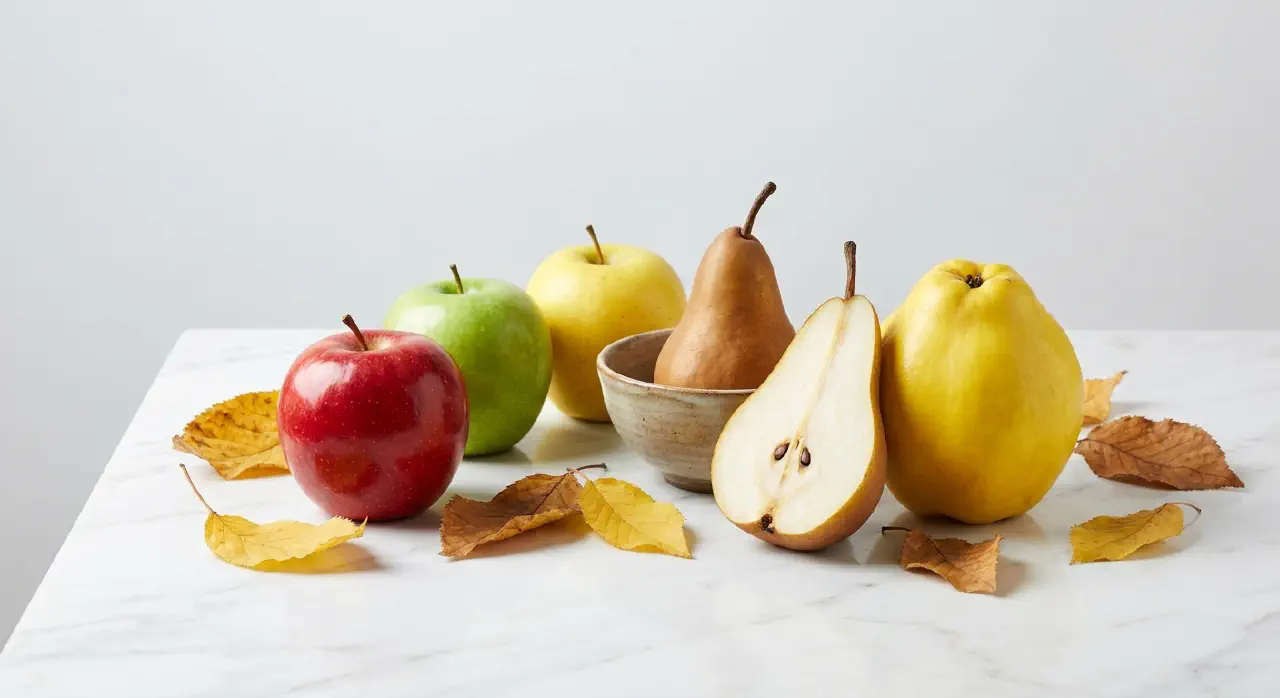
The pome fruits — apples, pears, quince, and their relatives — are all members of the rose family (Rosaceae), native to Eurasia. The defining structure is a thick fleshy portion derived from the enlarged flower stem tip (not the ovary alone), surrounding an inner tough-walled core containing seeds. All are climacteric, storing starch that converts to sugar during ripening, making them the temperate world’s most storable and versatile fresh fruits.
Precision Jam
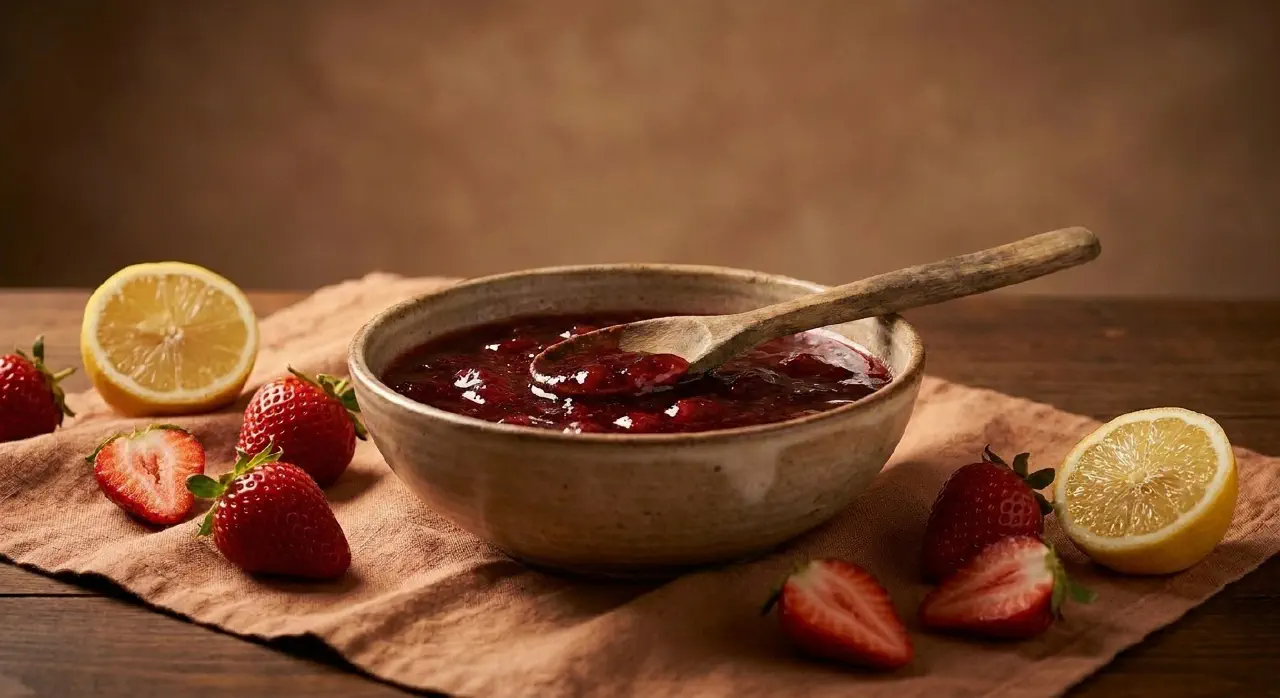
Traditional jam-making is thermal violence — boil hard, drive off water, hope something recognizable survives. At 85°C with precision control, jam tastes like the fresh fruit you started with while remaining fully safe and properly set. The key: pectin only needs 83°C to gel, so everything above that is destroying flavor you could have kept.
The Aroma Problem
If you can smell jam from the other side of the house, that’s flavor vapor — volatile aroma compounds hitching a ride on escaping steam. At 100°C with vigorous boiling, steam acts as a cargo ship for aroma molecules. You get a wonderful kitchen smell and jam that tastes like sugar with a memory of fruit.