Carbohydrates in Cooking
Carbohydrates in Cooking
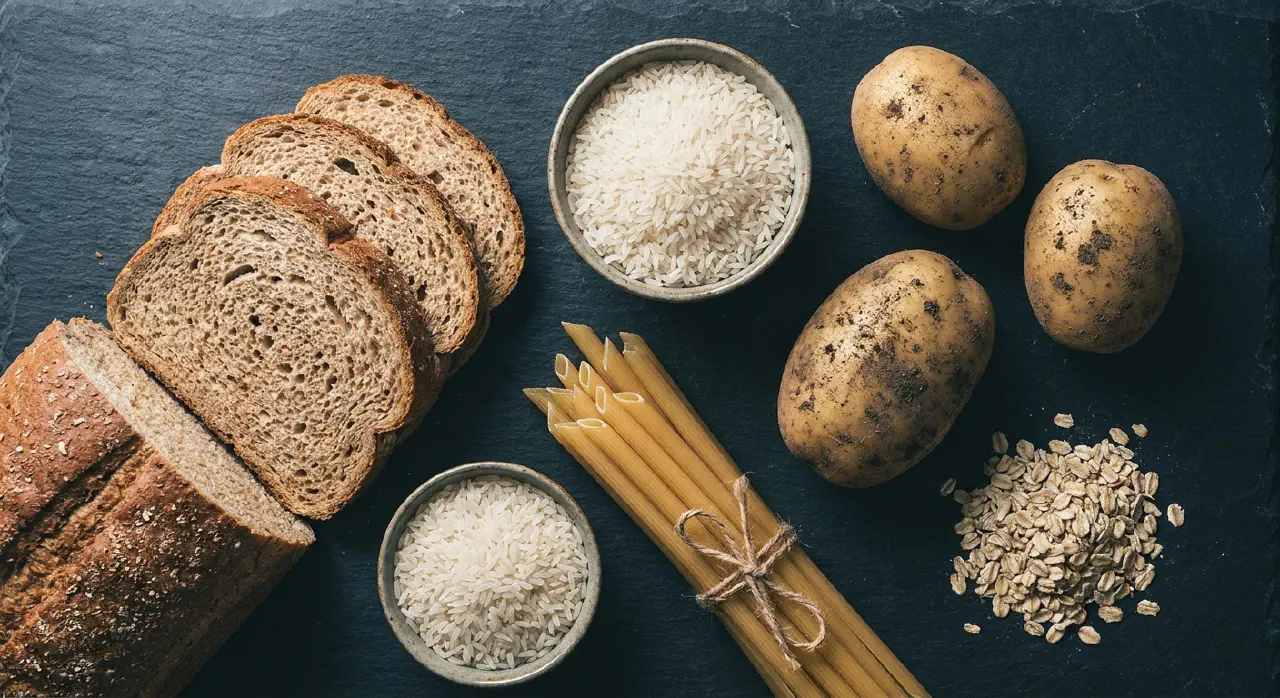
Carbohydrates — built from carbon, hydrogen, and oxygen — serve two purposes in the biological world: energy storage (sugars and starch) and structural support (cellulose, pectin). The cook encounters them at every scale, from the sweetness of a single glucose molecule to the indigestible fiber of a celery stalk. The remarkable fact is that the same glucose monomer, connected by different chemical linkages, produces substances with opposite cooking behavior — soluble starch that thickens sauces and insoluble cellulose that resists hours of boiling.
Plant Biology
Plant Biology
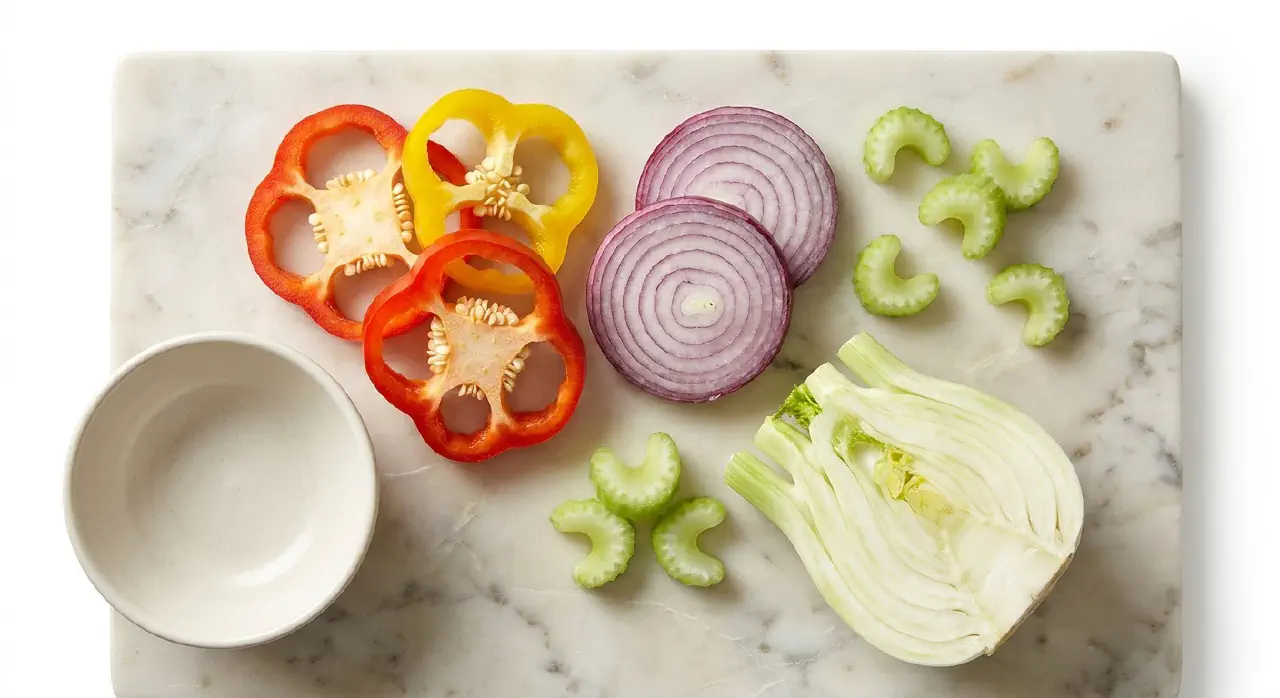
Plants are carbohydrate machines. Unlike animals, which build their tissues from protein and fat for movement, plants build from carbohydrates — cellulose for structure, starch for storage, sugars for energy. This fundamental difference explains why plant foods taste, cook, and behave so differently from meat: carbohydrates tolerate heat robustly, dispersing into tissue moisture at boiling temperature to create soft, succulent textures. There is no equivalent of the overcooked-tough steak — vegetables can only go too soft, never too tough.
Wood Smoke and Charred Wood
Wood Smoke and Charred Wood
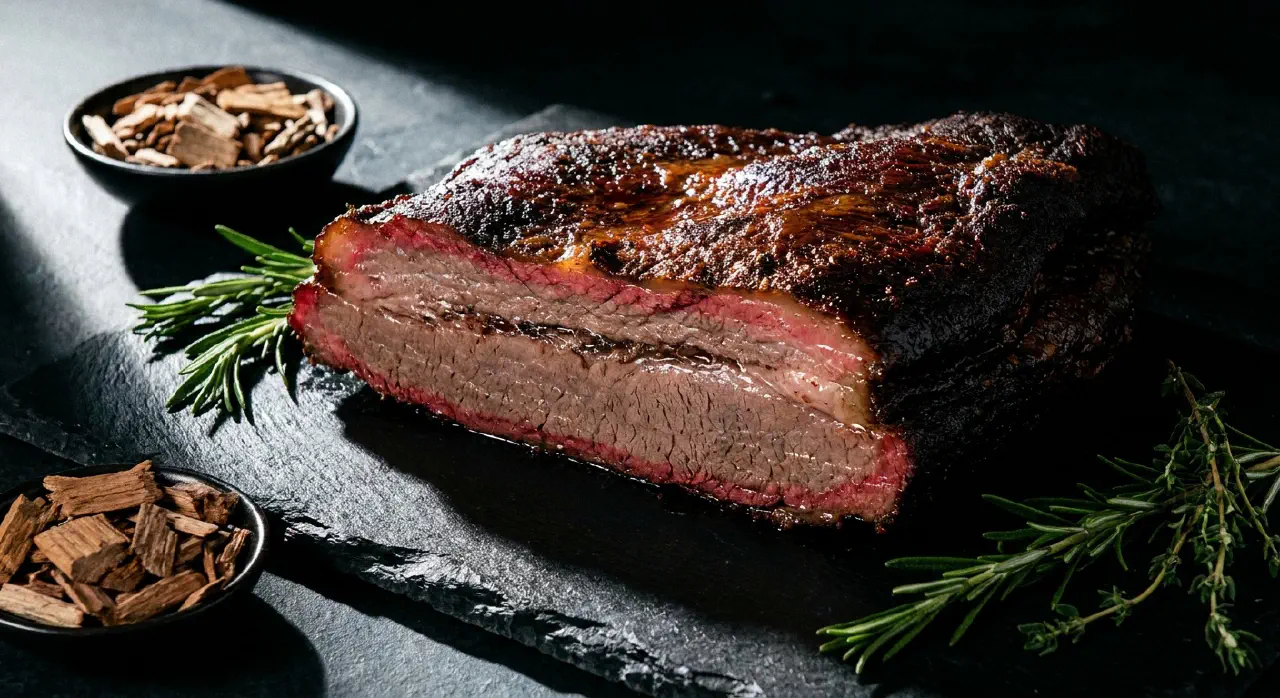
Wood smoke delivers phenolic flavors identical to those found in spices — vanillin (vanilla), eugenol (cloves), guaiacol (smoky warmth) — because wood’s structural lignin is itself a massive phenolic polymer. When heat breaks it apart, the fragments are the same small molecules that define clove and vanilla aroma. This shared chemistry explains why smoked foods pair so naturally with spice-heavy cuisines.
Wood composition
Wood is built from three primary materials, each contributing different flavor compounds when burned: