Cooking Temperatures
Cooking Temperatures
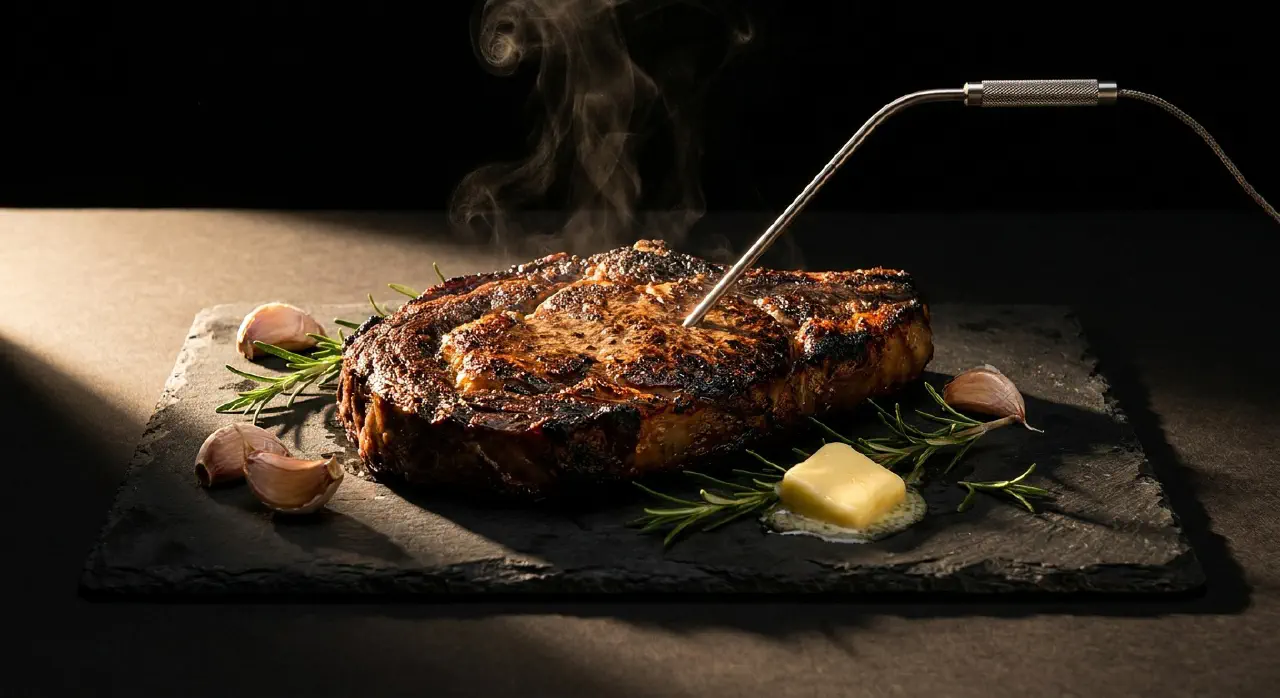
Temperature is the single most important variable in cooking. Every major transformation — protein-denaturation, starch-gelatinization, caramelization, the maillard-reaction — is a chemical reaction governed by temperature. Understanding a few foundational principles lets you reason about almost any cooking situation from first principles.
The Arrhenius rule: 10°C doubles the rate
The Arrhenius equation from physical chemistry predicts that chemical reaction rates roughly double with every 10°C increase. In the kitchen, this means a 5°C difference is noticeable (~1.4× speed change), a 20°C swing produces a 4× difference in browning speed, and small temperature errors compound into large outcome differences.
Meat Cooking
Meat Cooking
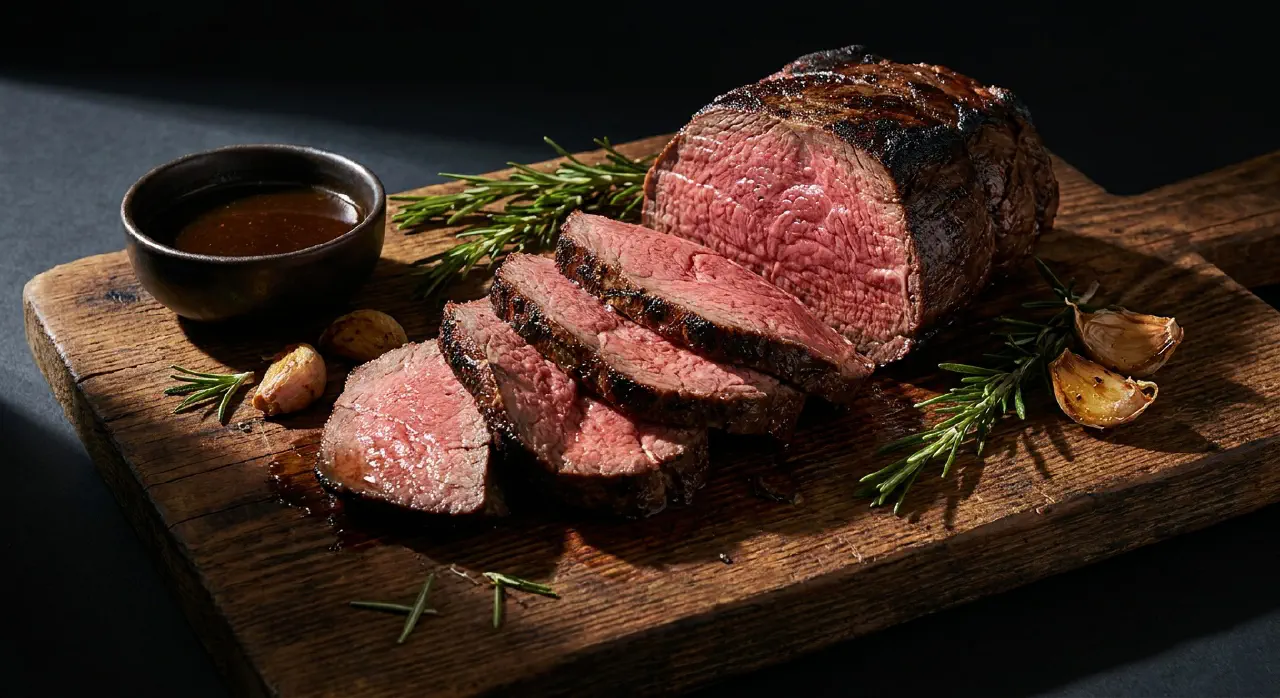
Cooking meat has four purposes: safety (killing pathogens), digestibility (denaturing proteins for easier enzymatic access), flavor development (creating hundreds of aromatic compounds via the Maillard reaction and other chemistry), and texture change (transforming raw mushiness into appetizing firmness). The central challenge is that meat’s two protein systems — muscle fibers and collagen — respond to heat in opposite ways.
The texture progression
As meat heats, the texture changes follow a dramatic and non-linear path: