Deep Frying
Deep Frying
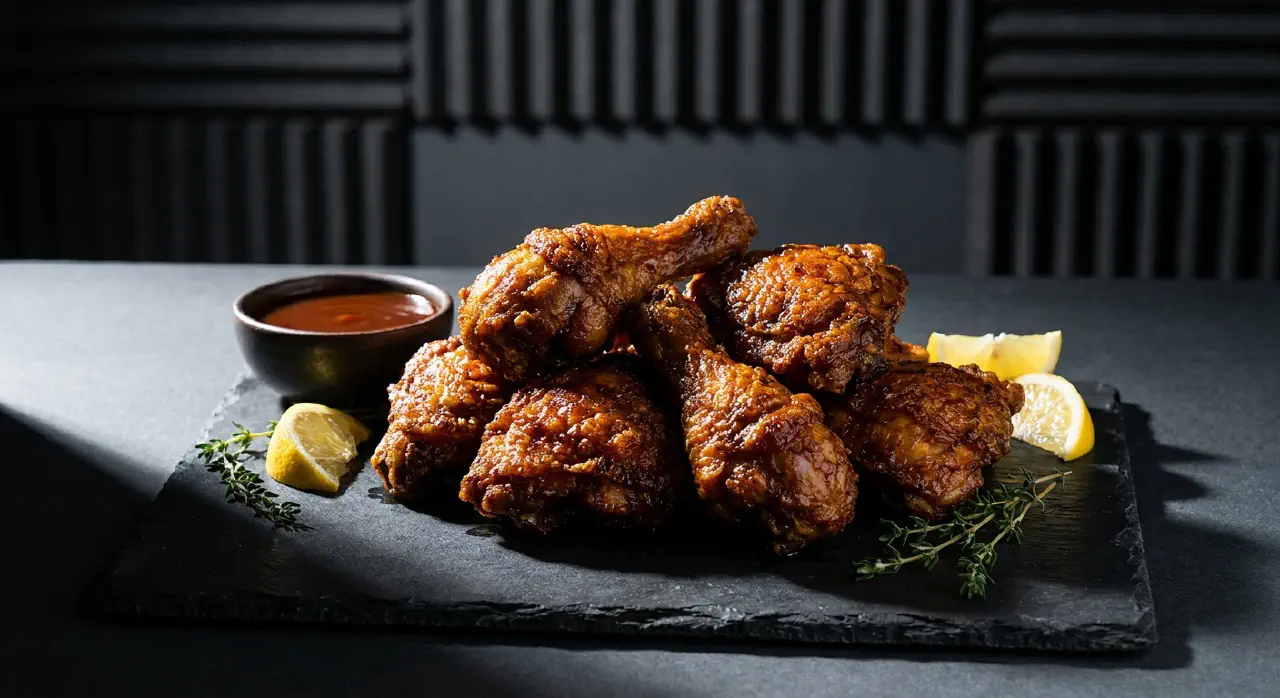
Deep frying is cooking food fully submerged in hot oil, typically at 325–375°F/163–190°C. It produces a uniquely satisfying contrast — a crisp, browned exterior and a moist, steamed interior — through a dynamic exchange between oil and water.
The mechanism: water out, oil in
When food enters hot oil, a rapid sequence begins:
- Surface water vaporizes — the food’s moisture flashes to steam on contact with oil far above water’s boiling point.
- Steam forces outward — the violent outward rush of steam is the vigorous bubbling you see. This steam pressure actually prevents oil from penetrating deeply into the food.
- The crust forms — as surface moisture departs, the dehydrated exterior crisps. Temperatures at the surface climb above 280°F/140°C, enabling Maillard browning. This is where deep-fried flavor and color develop.
- The interior steams — below the crust, the food’s interior never exceeds 212°F/100°C because it’s being cooked by its own steam. This is why a properly fried piece of fish is moist inside.
- Oil absorption happens after frying — most oil enters the food during cooling, not during frying. As the food cools, steam condenses and the pressure differential sucks oil into the surface pores. Draining immediately on a rack minimizes this.
The steam armor principle
The mechanism above can be summarized as a single concept: steam armor. As long as water inside the food is flashing to steam and pushing outward, oil cannot penetrate. The strength of this armor depends entirely on oil temperature — hotter oil means more vigorous steam production and a stronger barrier.
Nuts
Nuts
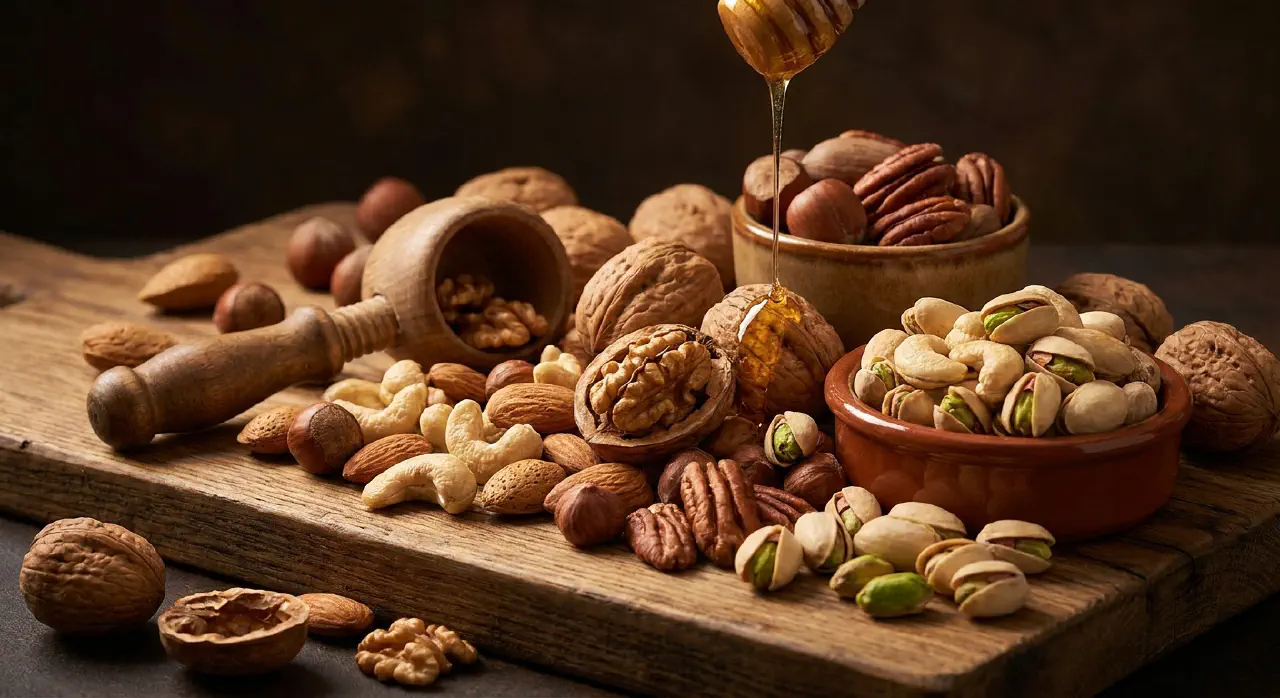
Nutritionally the richest plant foods after pure fats and oils — averaging ~600 calories per 100g, versus ~350 for dry grains — nuts are defined by their high oil content and the weak cell walls that make them uniquely edible raw or after brief dry heat, without the soaking and long cooking other seeds require. Their characteristic richness, creaminess, and depth come from abundant oil stored in oil bodies, the same phospholipid-stabilized structures found in milk fat globules.
Pan-Frying and Sautéing
Pan-Frying and Sautéing
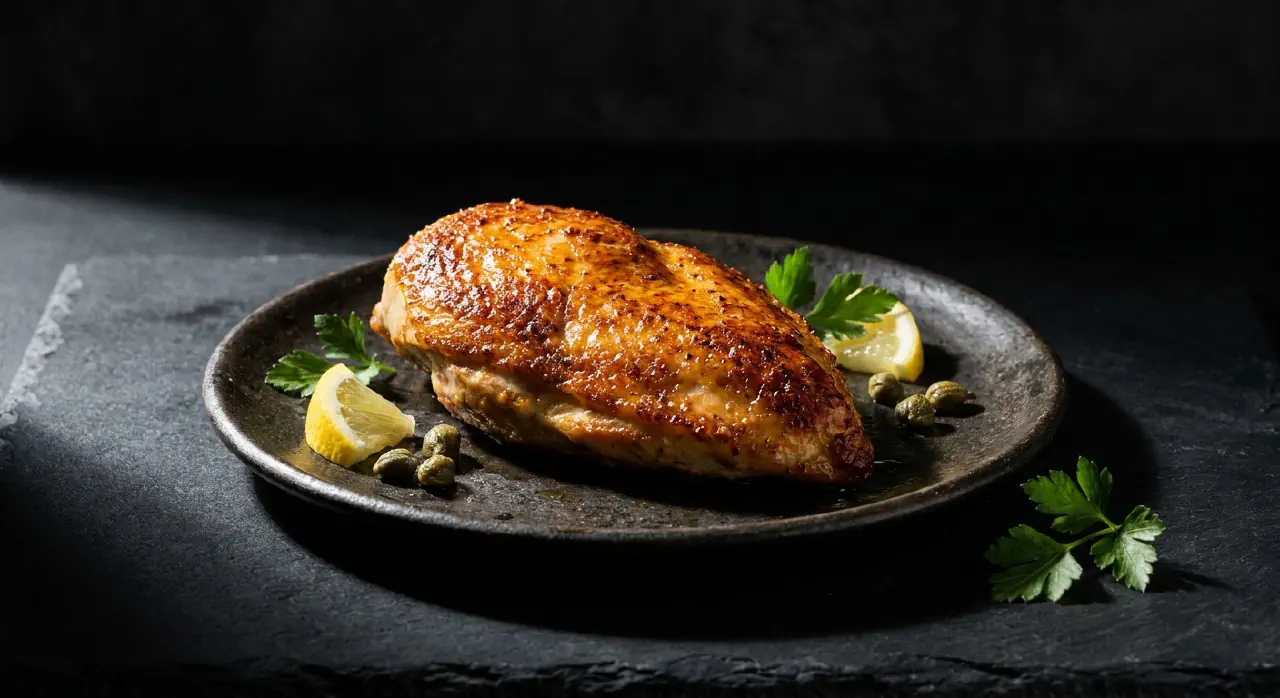
Pan-frying is the most direct of the dry-heat methods — conduction carries energy from a hot stovetop burner through the pan bottom and a thin layer of oil directly into the food surface. No intervening air or water, no radiation from a distance — just metal-to-fat-to-food contact. This makes pan-frying the fastest route to Maillard browning for individual portions, and the method where pan material matters most.
Heat transfer mechanism
The stovetop heats the pan bottom by conduction (gas flame or electric element). The pan distributes heat across its surface — how evenly depends on the metal’s thermal conductivity (copper best, stainless steel worst). Oil fills the microscopic gap between pan and food, conducting heat more efficiently than air would. Surface temperatures reach 325–400°F in normal operation.