Sous Vide Duck Confit
Sous Vide Duck Confit
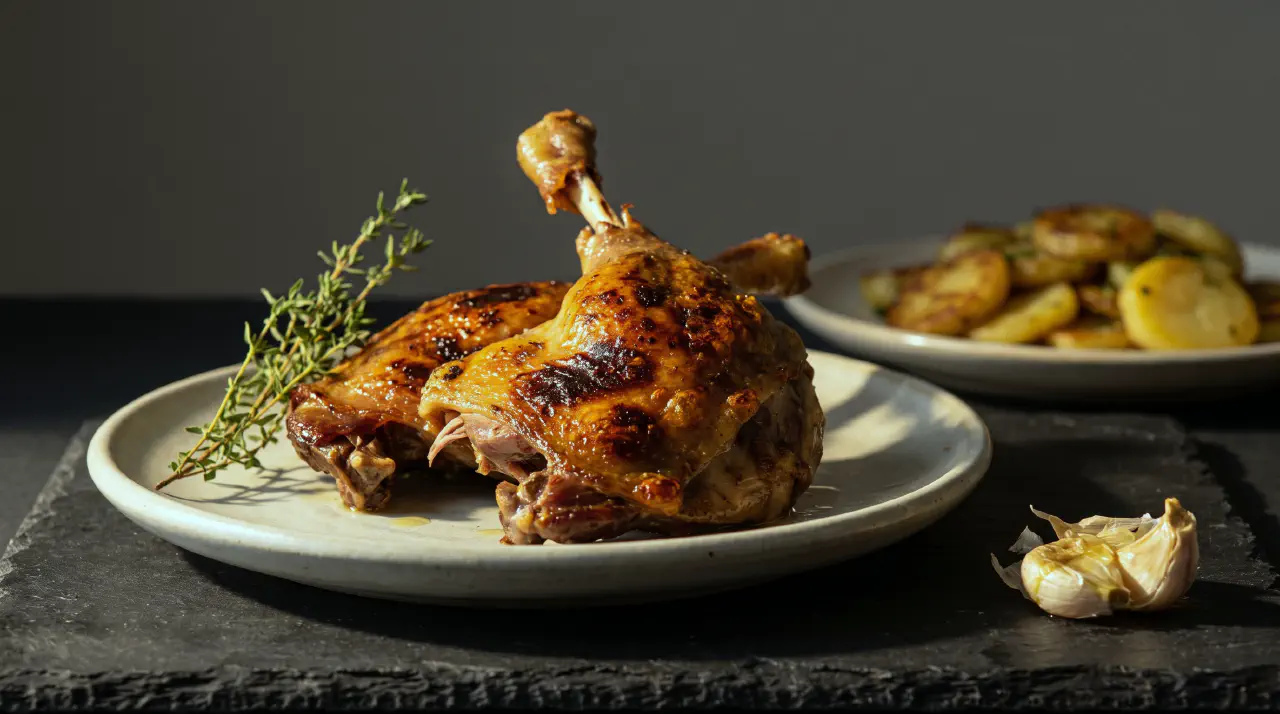
Confit is duck legs cooked low and slow until the meat is tender enough to pull apart, then finished under high heat so the skin turns crisp. This version uses a water bath instead of the traditional pot of fat: the legs are salted first, sealed in a bag with thyme and garlic, and held at a steady temperature for hours before a quick sear brings the skin back to life.
Classical French confit poaches the legs fully submerged in rendered duck fat at close to 200°F (93°C), a method built originally for preserving meat before refrigeration. Sous vide replaces that fat bath with a precisely controlled water bath. A splash of duck fat in the bag is still worth adding for flavor, but the legs render enough of their own fat inside the sealed bag to stay moist without it. Call this a modern take on confit, not the traditional method itself - the water bath makes the process easier to get right, even if it isn’t how a French farmhouse would have done it.
The long, gentle cook breaks down the connective tissue in the legs until the meat is fork-tender, while the sealed bag keeps it from drying out the way an open pot can. What comes out of the bag is soft, almost fall-off-the-bone meat under skin that still needs a hot pan to crisp - the water bath alone will never brown it. The overnight cure gives the meat a deep, savory seasoning, and the rendered fat keeps it rich without turning greasy, so the crisp, salty skin is the contrast against soft, well-seasoned meat.
Serve the legs with something to soak up the fat: roasted or pan-fried potatoes, a sharp green salad, or braised cabbage. It’s classic bistro food, but easy enough to plan around a weeknight if the legs go into the bath the day before.
Ingredients
Serves 4
- 4 duck legs, bone-in, skin-on (350-450 g each)
- 2 tsp kosher salt (about 1.5-2% of the duck legs’ weight)
- 1/2 tsp black pepper, freshly ground
- 4 sprigs thyme, fresh
- 4 garlic cloves, smashed
- 60 g duck fat, rendered (optional)
Directions
Season the duck legs all over with the kosher salt and black pepper. Set them in a covered container or wrap tightly and refrigerate for at least 8 hours, up to 24. The salt seasons the meat all the way through and firms it up a little before the long cook.
Set an immersion circulator in a large pot of water to 167°F (75°C). Take the duck legs out of the fridge and pat them dry - no need to rinse off the salt. Divide the legs between one or two vacuum bags along with the thyme, garlic, and the duck fat if using, then seal.
Submerge the bags in the water bath and cook for 8 to 12 hours, topping up water as needed to keep them fully covered. Anywhere in that window gives firm, sliceable confit that holds together well on the plate; toward the longer end the meat pulls a little more easily from the bone.
Remove the legs from the bag and pat them dry, scraping off any excess fat clinging to the skin. Heat a skillet, cast iron or nonstick, over medium-high heat. Lay the legs skin-side down and cook undisturbed for 4 to 5 minutes, until the skin is deeply browned and crisp. Flip briefly to warm the other side, then serve.
Notes
For an even more tender, almost custard-soft texture, cook the legs at 155°F (68°C) for 36 hours instead of the 8-12 hour method above - same cure, same crisping step at the end, just a longer, gentler bath.
The duck fat in the bag is a nod to tradition and adds flavor, but it isn’t essential - the fat that renders out of the legs during the long cook is enough to keep them moist. Save whatever fat is left in the bag afterward; it’s excellent for roasting potatoes.
To make the confit ahead, chill the sealed bag in an ice-water bath until cold, then refrigerate - it keeps safely for up to two weeks and can be reheated and crisped straight from the fridge. An oven at 450°F (230°C) for about 7 minutes, or a broiler, works in place of a skillet for crisping the skin.
See Also
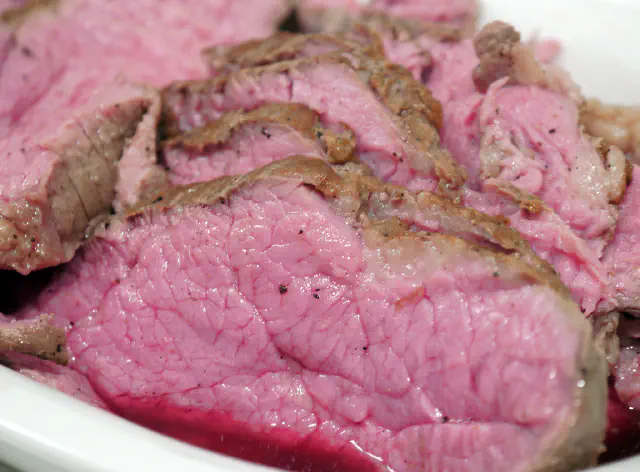
Beef Cuvette - Red Meat Sous Vide
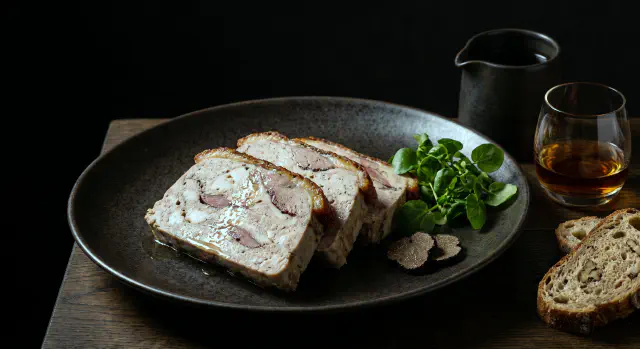
Classic Duck Pâté
Foie gras terrine - made sous vide