Heat Transfer in Cooking
Heat Transfer in Cooking
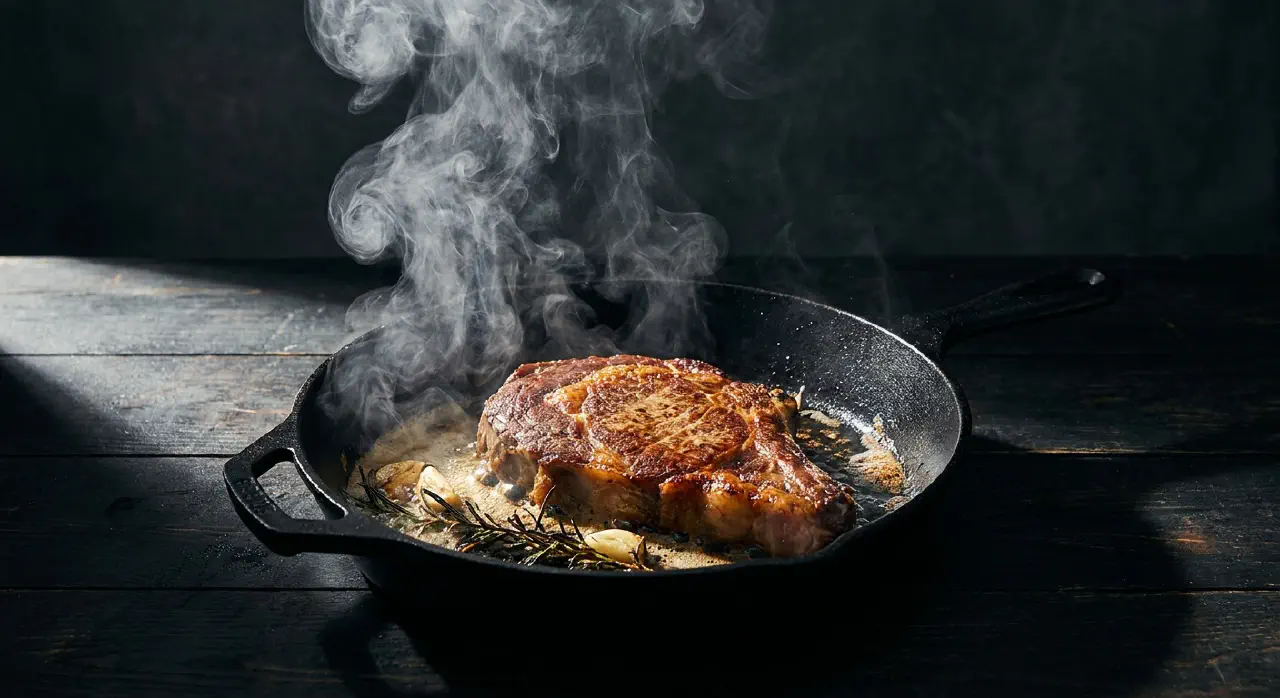
All cooking is heat transfer — getting thermal energy from a source into food. Three physical mechanisms do this work, and every cooking method is a particular combination of them. Understanding the three forms explains why different methods produce different results, why pan material matters, and why heating times vary with food size and shape.
Conduction: direct contact
Thermal energy passes from one particle to a nearby one through collision. The mechanism differs dramatically by material:
Roasting and Baking
Roasting and Baking
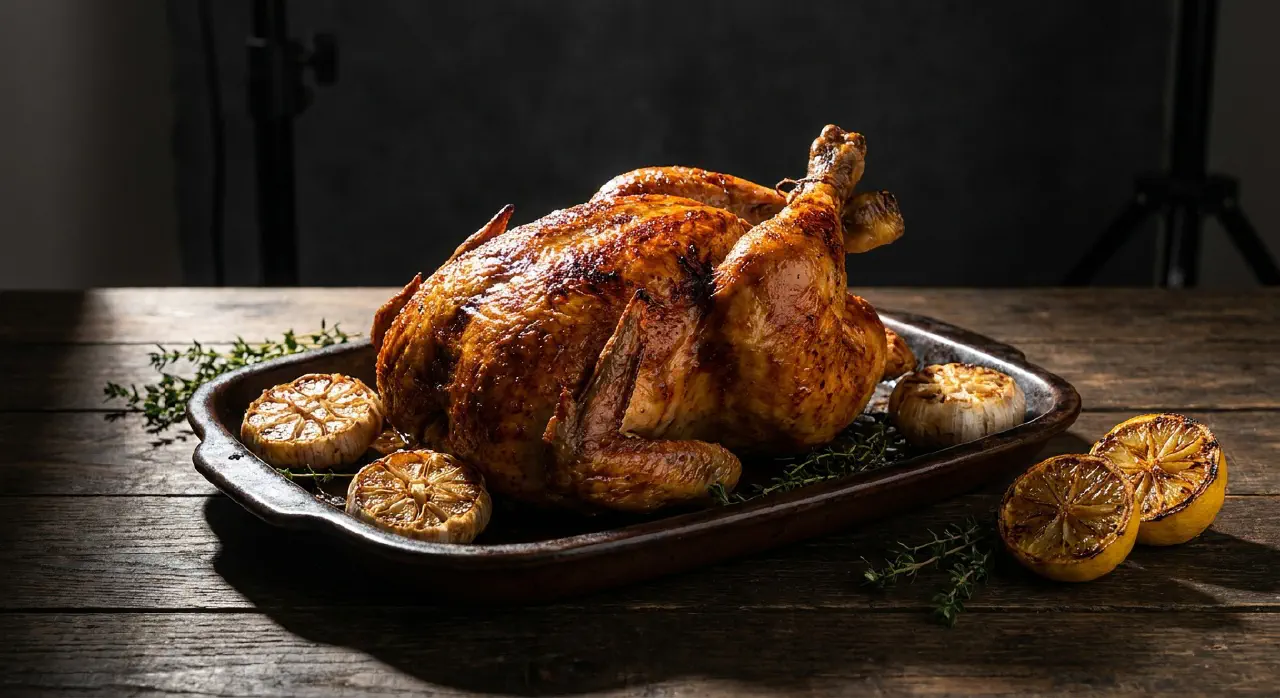
Roasting and baking surround food with hot air in an enclosed oven, combining convection (air circulation) with radiation (from oven walls and elements). The result is the most even dry-heat method — heat reaches all surfaces simultaneously rather than from one direction as in grilling. Typical oven temperatures (300–500°F) dehydrate food surfaces, enabling Maillard browning and caramelization while the interior cooks through by conduction.
Heat transfer mechanism
Hot air rises from the heating element, cooler air sinks, creating convection currents that circulate heat throughout the oven cavity. Oven walls and elements also emit infrared radiation that heats food surfaces directly. The pan itself conducts heat to the food’s bottom surface. Forced convection (fan-assisted) ovens accelerate air movement, producing more uniform temperatures and faster cooking.
Wet Heat Methods (Boiling, Simmering, Poaching, Steaming)
Wet Heat Methods
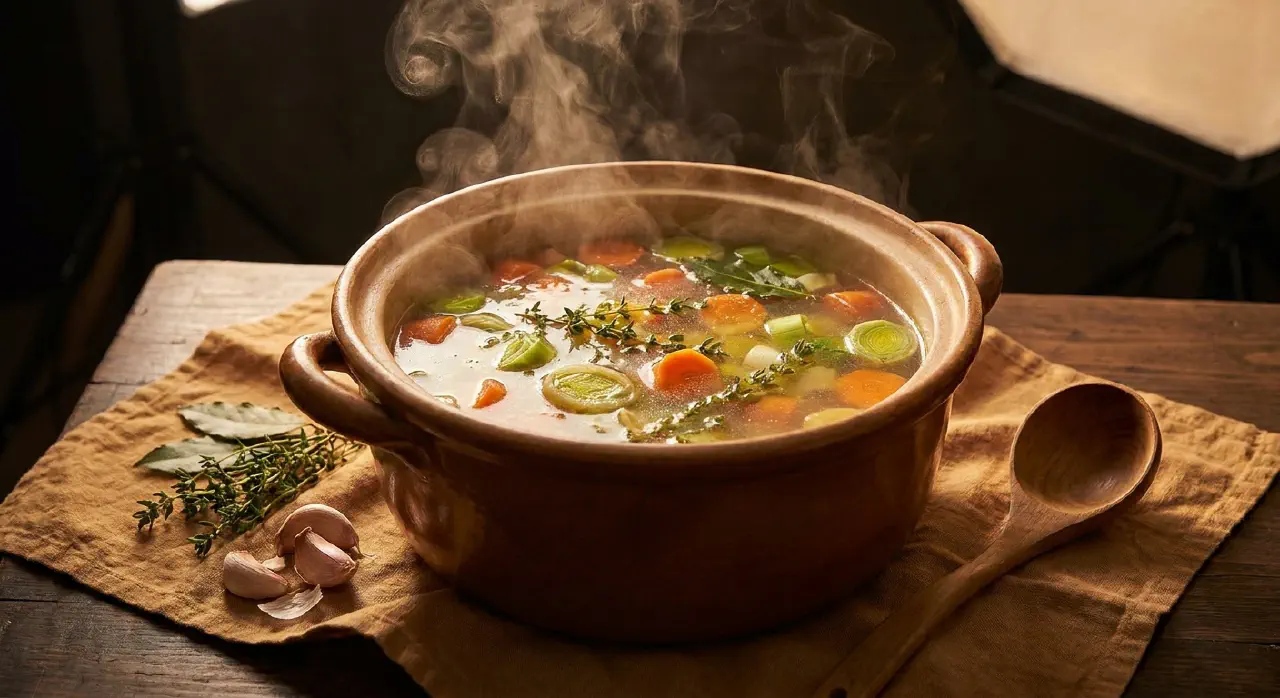
Boiling, simmering, poaching, and steaming share a defining constraint: water’s boiling point (212°F/100°C at sea level) sets a hard ceiling on food temperature. This is too low for Maillard browning (~280°F) or caramelization (~330°F), which is why wet-heat-cooked foods remain pale and mild compared to their dry-heat counterparts. The tradeoff is gentleness — wet heat preserves delicate textures, retains moisture, and delivers uniform temperature with no hot spots.
Boiling
Water at a full rolling boil (212°F) with vigorous convection currents that circulate heat efficiently throughout the pot. The entire medium reaches uniform temperature quickly. Best for foods that can tolerate agitation: pasta (starch gelatinizes), vegetables (softens cellular structure), eggs (proteins denature and set).