Barrel Aging
Barrel Aging
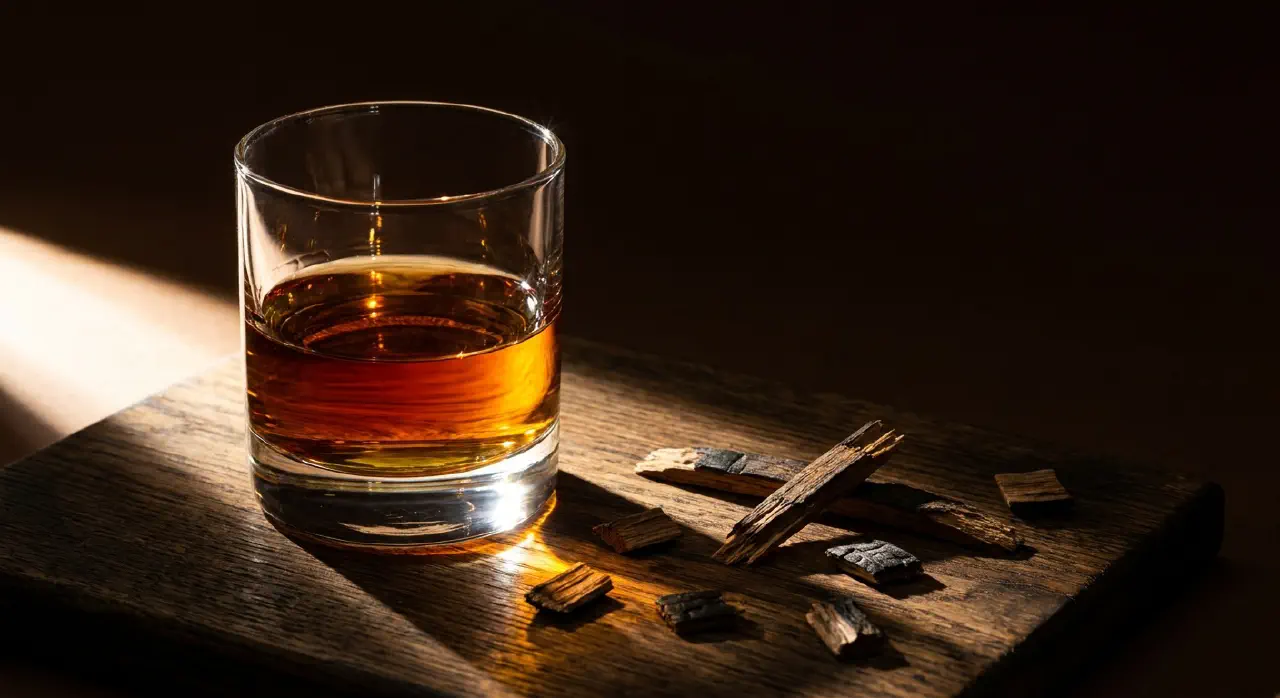
Oak barrels are not inert containers — they are active participants in the flavor of wine, spirits, and vinegar. The liquid extracts soluble compounds from the wood (tannins, vanillin, clove-like eugenol, coconut-and-peach oak lactones, sugars); absorbs limited oxygen through the wood’s pores; and undergoes slow chemical reactions that drive the contents toward a harmonious equilibrium. The barrel-making process — particularly toasting and charring — transforms the wood’s own cell-wall molecules into new aromatic compounds, making the cooper as much a flavor craftsman as the distiller or winemaker.
Warm Spices
Warm Spices
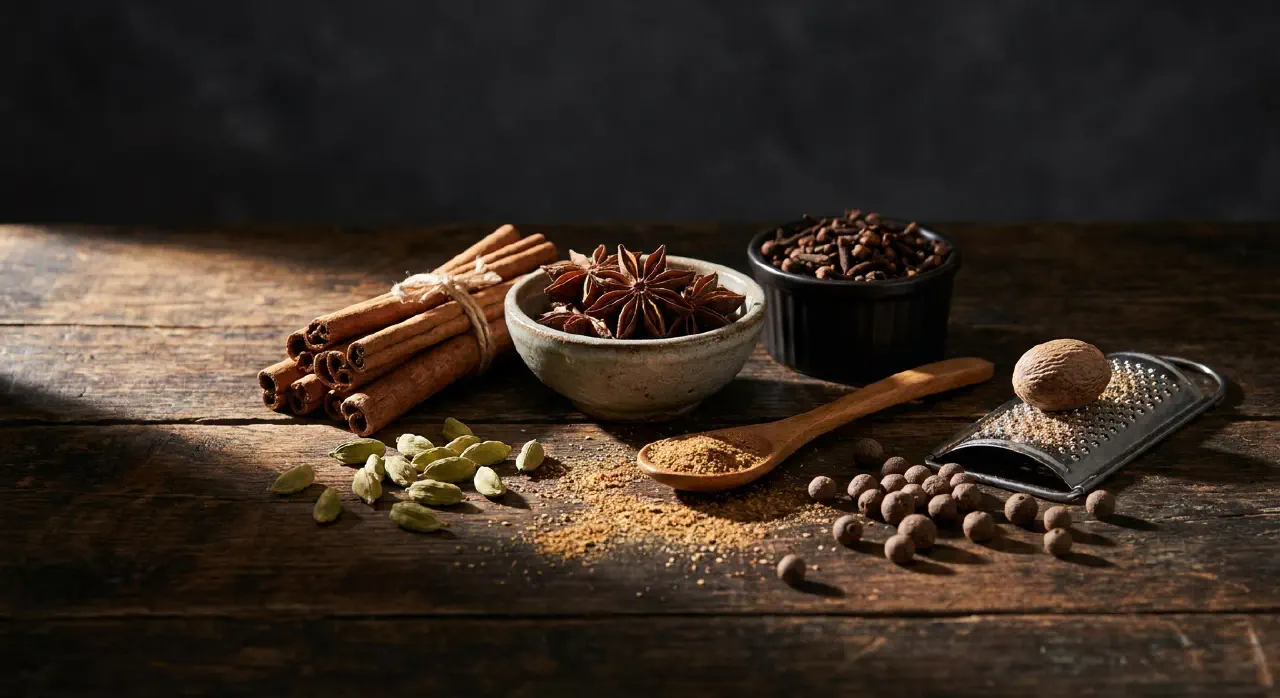
The warm spices — cinnamon, cloves, nutmeg, mace, and allspice — are defined by their rich phenolic compounds that produce sweet, penetrating, warming sensations. All come from tropical trees, all were enormously important in the medieval spice trade, and all share the property that their flavors persist through cooking (unlike volatile terpene-dominated herbs). Cloves hold the record for aroma concentration among all spices: ~17% volatile chemicals by weight.
Cinnamon and cassia
Dried inner bark of tropical Cinnamomum genus trees (laurel family relatives). When peeled from new growth, the inner bark curls into familiar quills or sticks.
Wood Smoke and Charred Wood
Wood Smoke and Charred Wood
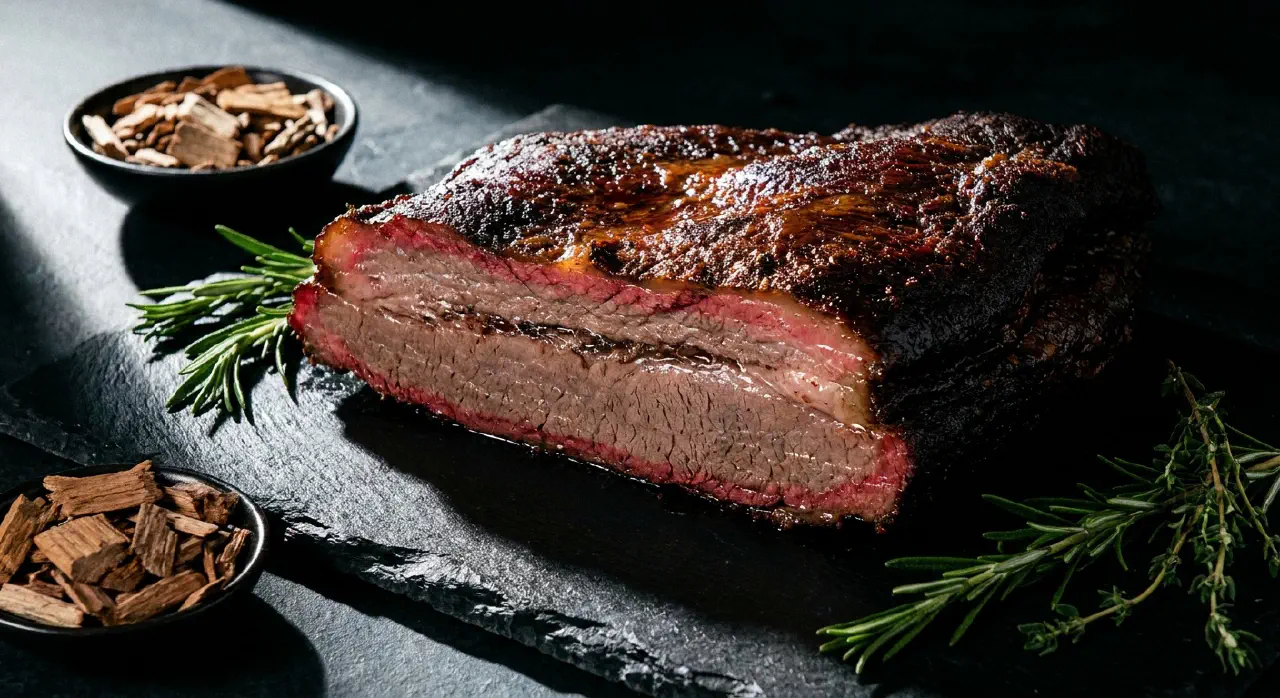
Wood smoke delivers phenolic flavors identical to those found in spices — vanillin (vanilla), eugenol (cloves), guaiacol (smoky warmth) — because wood’s structural lignin is itself a massive phenolic polymer. When heat breaks it apart, the fragments are the same small molecules that define clove and vanilla aroma. This shared chemistry explains why smoked foods pair so naturally with spice-heavy cuisines.
Wood composition
Wood is built from three primary materials, each contributing different flavor compounds when burned: