Sauce Making
Sauce Making
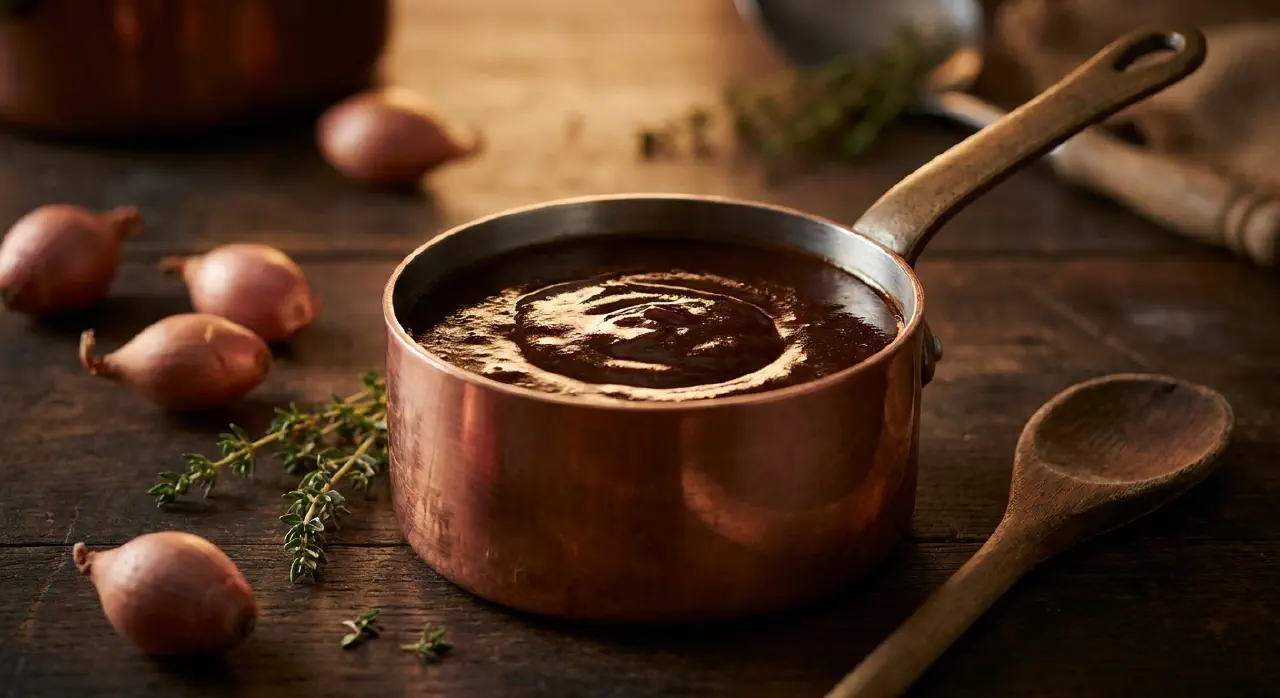
A sauce makes water seem less watery — giving it body, cling, and the ability to carry flavor across the surface of food. Every sauce in every tradition achieves this through one or more of six physical strategies: dissolving gelatin, swelling starch granules, coagulating egg protein, emulsifying fat droplets, suspending plant particles, or trapping gas bubbles in foam. Understanding this taxonomy makes the classical French system (and every other) a set of variations on knowable physics.
Starch Browning
Starch Browning
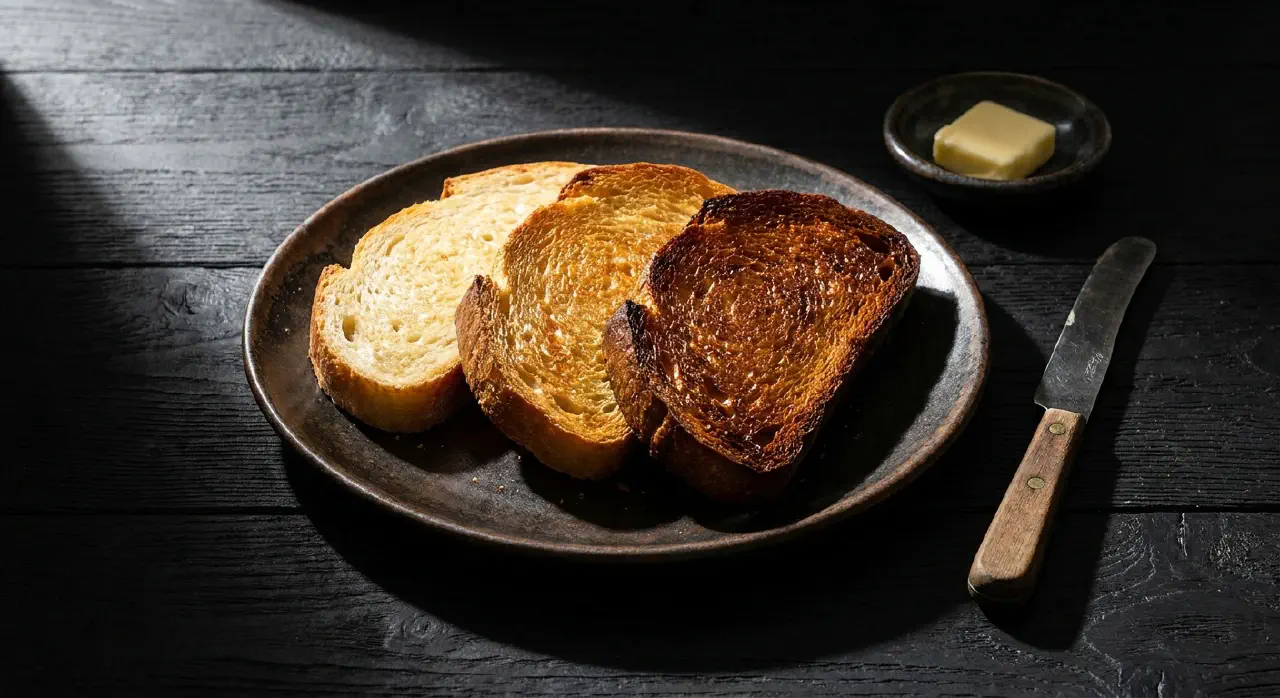
Starch-heavy foods — breading, flour coatings, roux — need significantly higher temperatures to brown than proteins. While steak begins Maillard browning at ~140°C, breaded cutlets require 180–190°C because starch must first undergo dextrinization before browning can proceed. This gap is why improperly cooked breaded foods turn out pale and greasy.
The Temperature Gap
Proteins brown starting ~140°C because amino acids and sugars are readily available for Maillard reactions. Starch-dominant foods require ~180–190°C because long-chain starch polymers must first be broken down into shorter, more reactive dextrins before any significant browning reactions can occur. This intermediate step of dextrinization adds a thermal barrier that pure protein foods skip entirely.