Leavening
Leavening
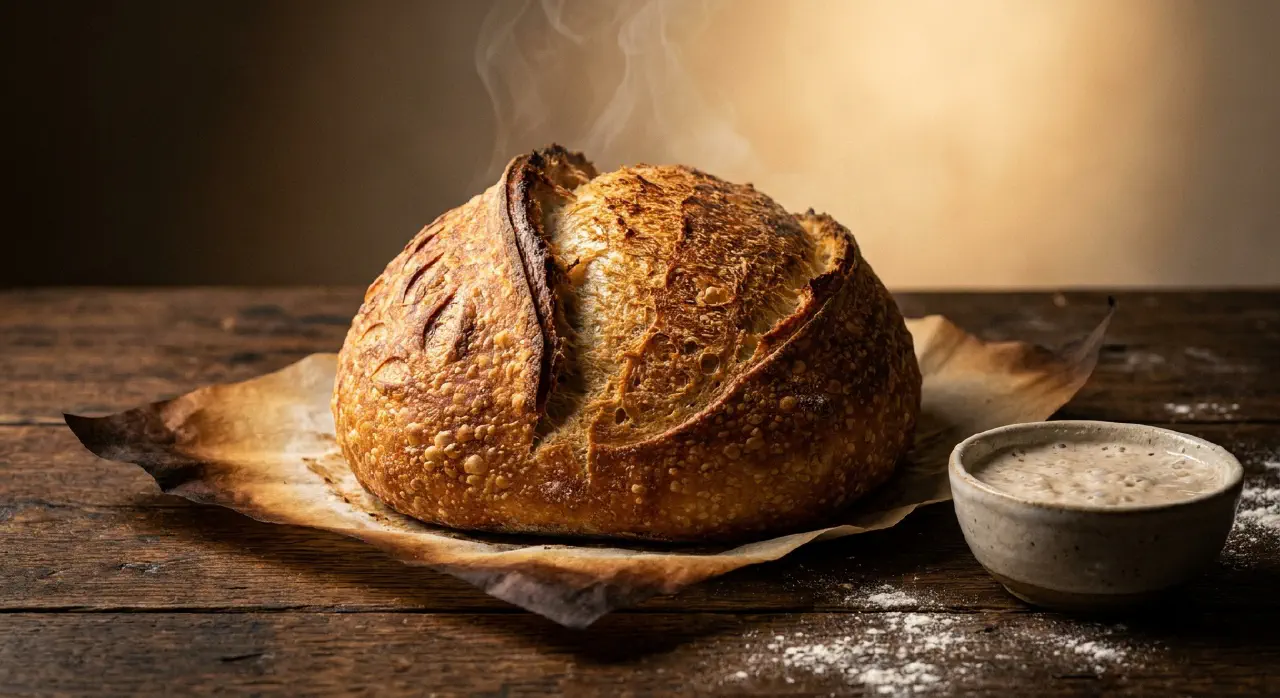
Leavening is the introduction of gas into dough or batter to make it light and porous. Three gas sources exist — biological (yeast), chemical (baking soda/powder), and physical (steam, mechanical aeration) — and most preparations combine two or more. The choice of leavening system shapes not just texture but flavor, timing, and the entire workflow of baking.
Biological leavening: yeast
Saccharomyces cerevisiae — baker’s yeast — metabolizes sugars to produce CO₂ and ethanol. In the oxygen-poor interior of dough, it ferments rather than respires, generating gas slowly over hours. This slowness is a feature: it allows time for gluten development, enzyme activity, and the accumulation of flavor compounds (organic acids, alcohols, aldehydes) that give bread its complexity.
Wet Heat Methods (Boiling, Simmering, Poaching, Steaming)
Wet Heat Methods
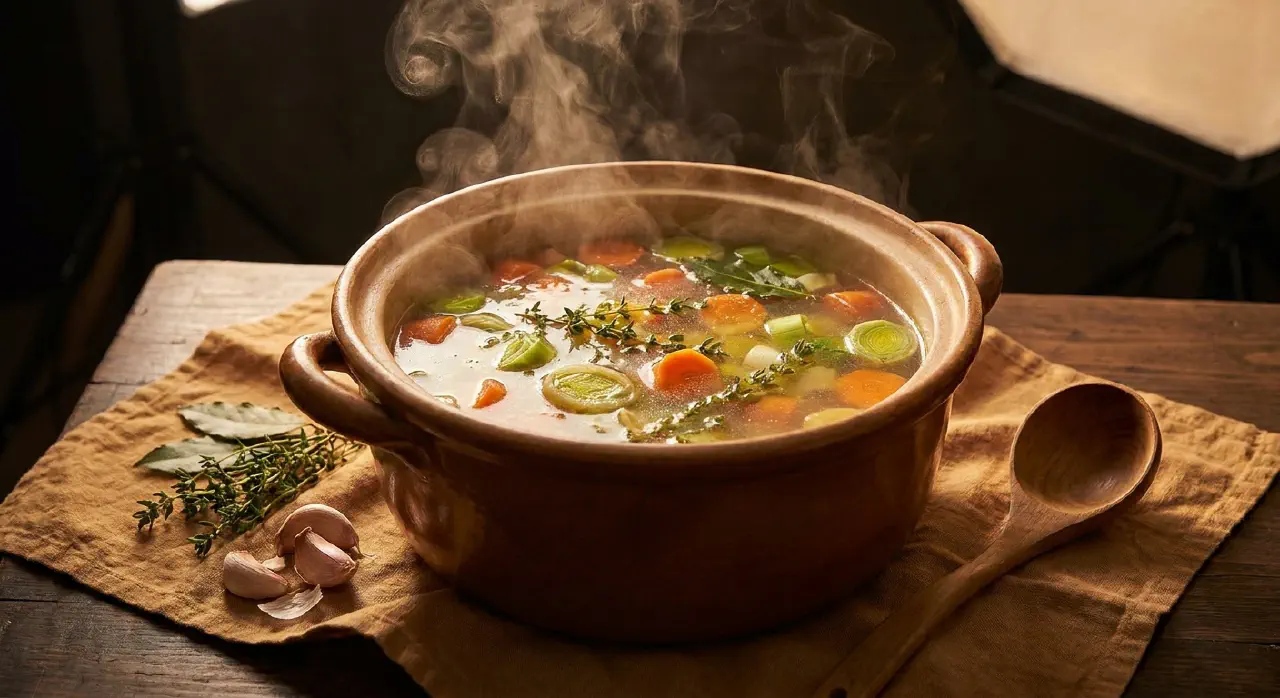
Boiling, simmering, poaching, and steaming share a defining constraint: water’s boiling point (212°F/100°C at sea level) sets a hard ceiling on food temperature. This is too low for Maillard browning (~280°F) or caramelization (~330°F), which is why wet-heat-cooked foods remain pale and mild compared to their dry-heat counterparts. The tradeoff is gentleness — wet heat preserves delicate textures, retains moisture, and delivers uniform temperature with no hot spots.
Boiling
Water at a full rolling boil (212°F) with vigorous convection currents that circulate heat efficiently throughout the pot. The entire medium reaches uniform temperature quickly. Best for foods that can tolerate agitation: pasta (starch gelatinizes), vegetables (softens cellular structure), eggs (proteins denature and set).