Caramelization
Caramelization
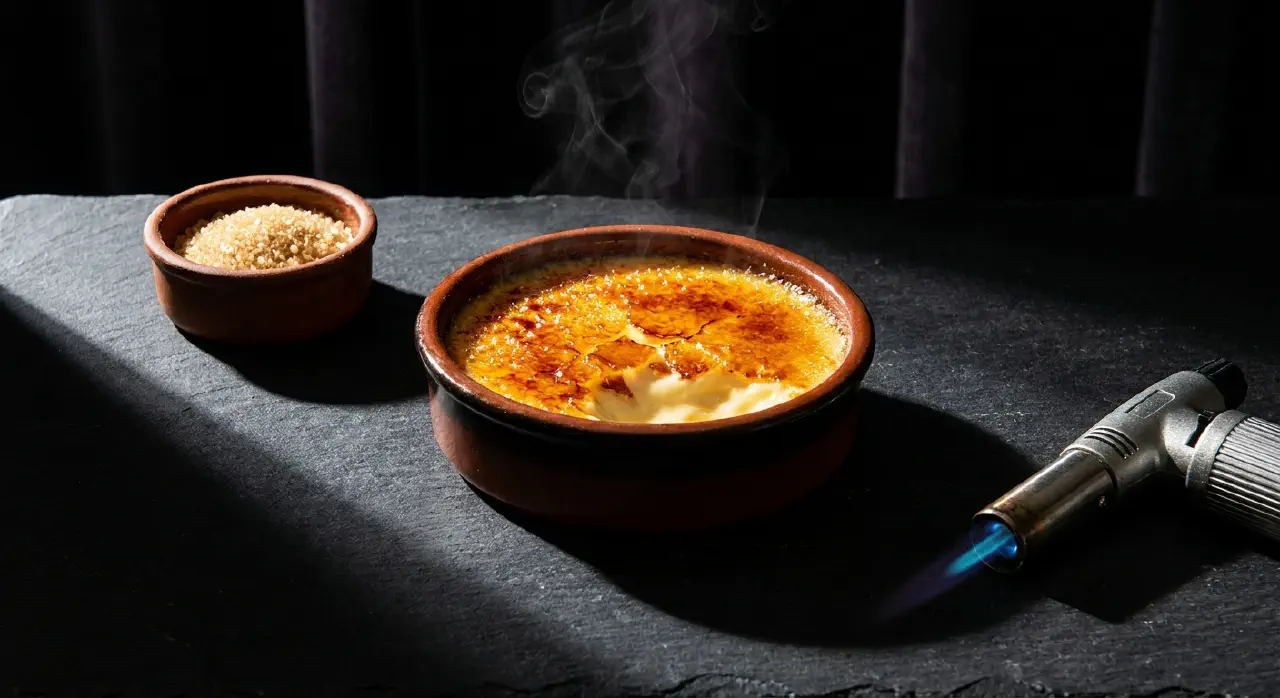
Caramelization is the simplest browning reaction — pure sugar, heated until it breaks down into hundreds of new compounds that produce the characteristic color, aroma, and bittersweet complexity of caramel. Unlike the maillard-reaction, no proteins are involved.
The process
When sucrose is heated above ~330°F/165°C, it melts into a thick syrup and begins to decompose. The sugar molecules fragment and recombine into a cascade of products:
- Organic acids (acetic acid and others) — contribute sourness
- Sweet and bitter derivatives — the bittersweet complexity of caramel
- Volatile aromatic molecules — butterscotch (diacetyl), nutty (furans), sherry-like (acetaldehyde), fruity (esters), and the distinctive caramel note (maltol)
- Brown polymers (melanoidins) — the color
The process is progressive: light yellow (mild, mostly sweet) through amber (complex, bittersweet) to dark brown (increasingly bitter, eventually burnt). The cook’s job is to stop at the right point.
Dried Fruits
Dried Fruits
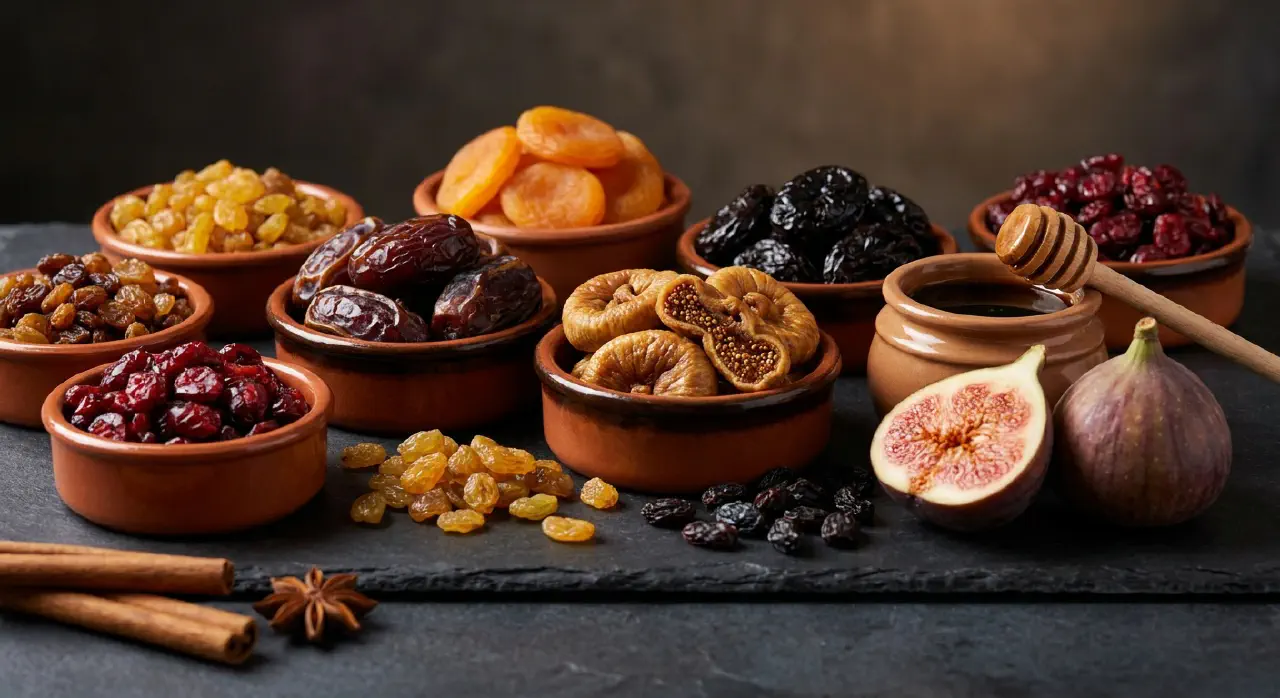
Drying is among the oldest preservation methods, reducing fruit to 15–25% moisture where microbial growth is inhibited and shelf life extends from days to months or years. The process concentrates sugars dramatically — dried dates reach 60–80% sugar — and drives two types of browning reactions (enzymatic oxidation of phenolics and Maillard reactions between sugars and amino acids) that generate complex caramel, roasted, and spice notes absent in the fresh fruit.
Fruit Ripening
Fruit Ripening
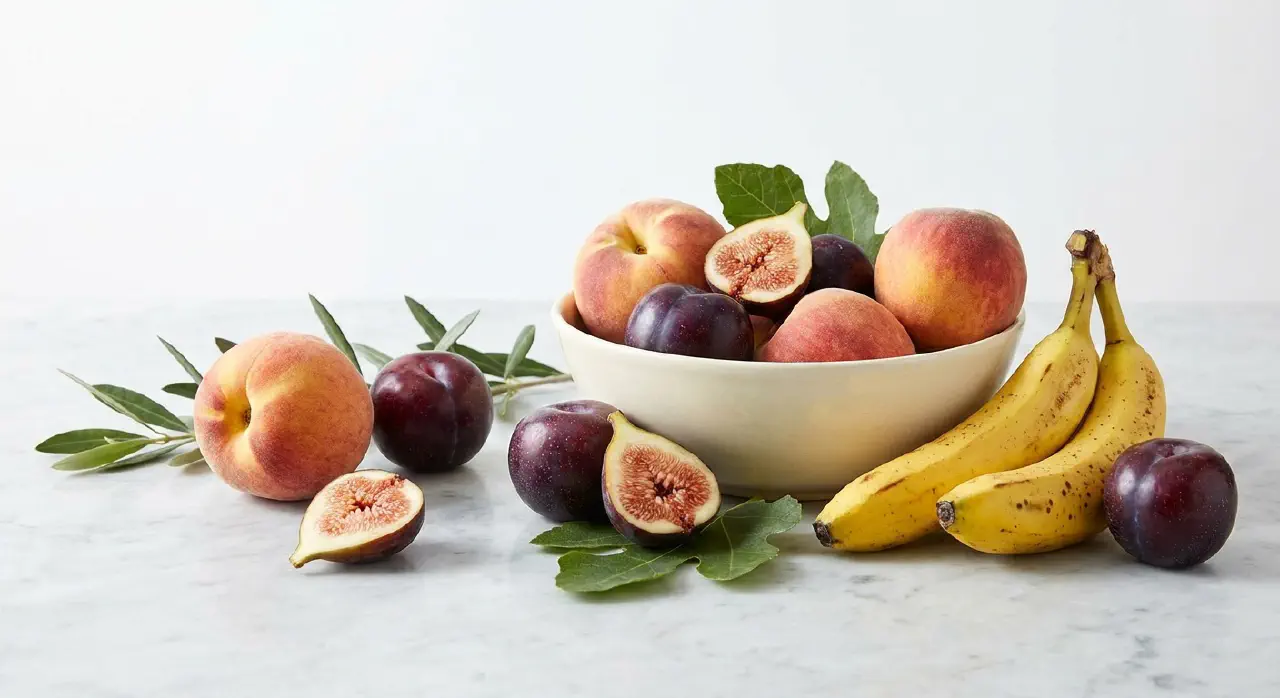
Ripening is programmed senescence — a coordinated enzymatic self-destruction that converts a seed-protecting structure into a seed-dispersing reward. Understanding the biochemistry of ripening is the single most useful piece of knowledge for buying, storing, and cooking fruit, because it determines whether a fruit can improve after harvest or is locked in at the moment it was picked.
Four stages of fruit development
Fruits develop through fertilization and hormone induction, cell multiplication (brief), cell expansion (the major growth phase, where storage cells fill with water, sugars, defensive compounds, and pre-positioned enzyme systems), and finally ripening itself. During the expansion phase, melon fruits can grow 80 cc daily; watermelon cells reach visible millimeter scale.
Sugar Science
Sugar Science
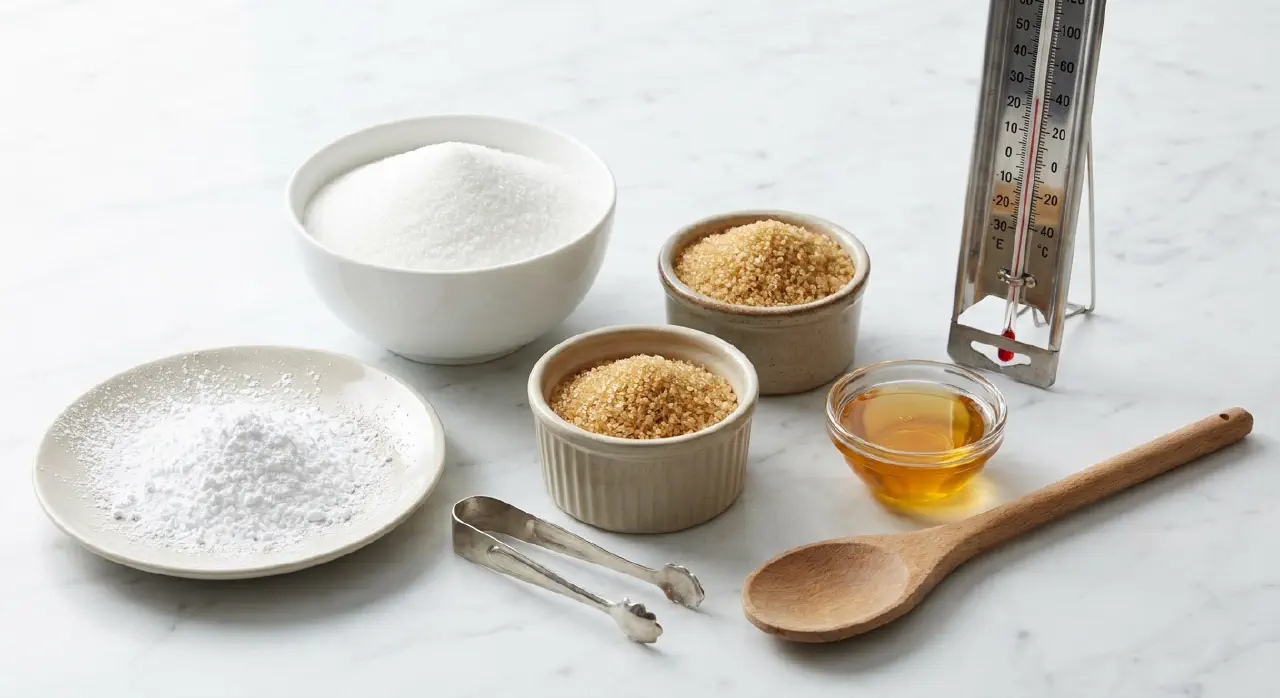
Sugars are small carbohydrate molecules — chains and rings of carbon, hydrogen, and oxygen — that serve as energy currency in both plants and animals. In the kitchen, their value goes far beyond sweetness: sugars bind moisture, depress freezing points, feed fermentation, brown into hundreds of flavor compounds through caramelization and the maillard-reaction, and crystallize into the rigid structures of confectionery. Understanding which sugar does what — and why — is the key to controlling texture, color, and flavor across baking, preserving, and candy work.