Microwave Cooking
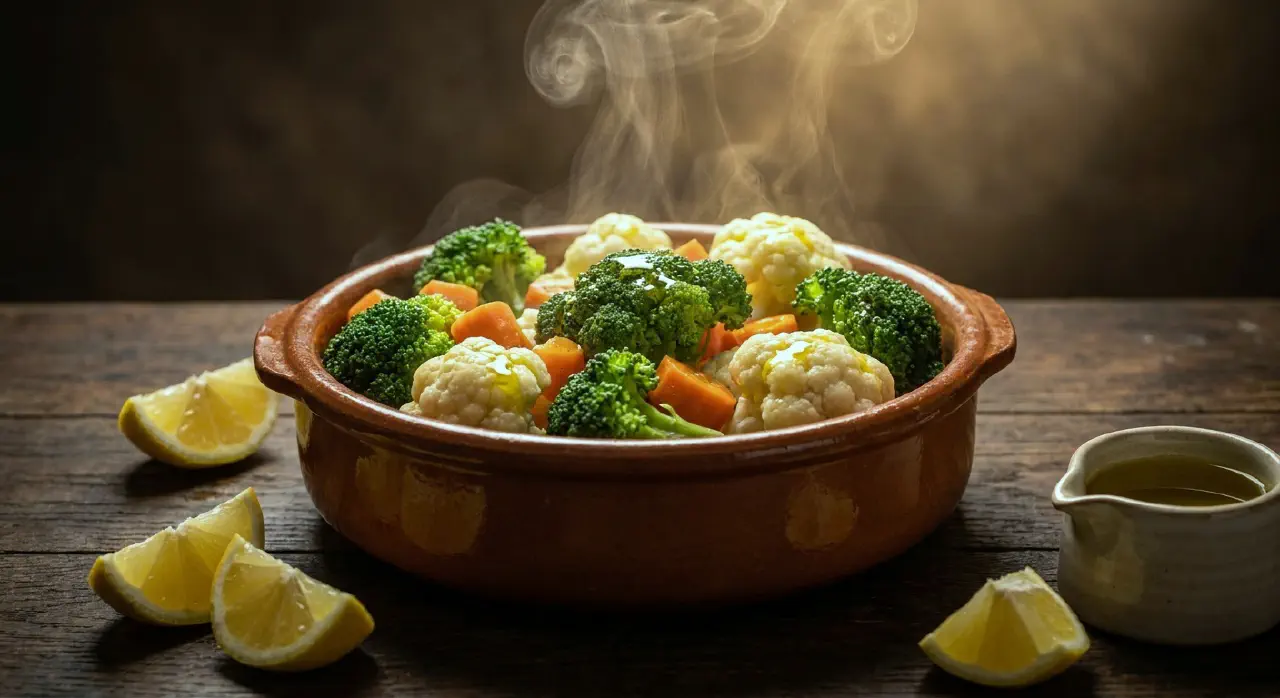
Microwave ovens heat food through a mechanism fundamentally different from every other cooking method: electromagnetic radiation at a specific frequency directly excites polar molecules - primarily water - causing them to rotate. Molecular friction from this rapid rotation generates heat from within the food, bypassing the surface-in heating that defines conventional cooking. The result is extraordinary speed but an inability to brown, crisp, or develop the complex flavors that come from high-temperature surface chemistry.
How microwaves heat food
Microwave radiation targets polar molecules - molecules with positive and negative charge regions. Water is the primary target; fats and some organic compounds also respond. The radiation forces these molecules to rotate billions of times per second, and the friction between rotating molecules and their neighbors generates thermal energy. This energy then transfers to adjacent molecules by conduction.
Non-polar materials (glass, ceramics, most plastics) are transparent to microwaves - they don’t absorb the radiation and stay relatively cool. Metals reflect microwaves. This is why the container stays cool while the food heats, and why metal should never go in a microwave.
Standing waves and uneven heating
Microwave radiation creates standing wave patterns inside the oven cavity - areas where waves reinforce each other (hot spots) and areas where they cancel (cold spots). The turntable exists to rotate food through this electromagnetic landscape, ensuring different regions pass through high-intensity zones over time. Even with a turntable, some unevenness persists. Stirring or manually rotating food at intervals further improves results.
Why microwaves can’t brown
Two reasons. First, microwave-heated food surfaces rarely reach Maillard (~280°F) or caramelization (~330°F) temperatures because the energy distributes throughout the food rather than concentrating at the surface. Second, the enclosed microwave environment traps steam, keeping surfaces moist - and a wet surface cannot exceed 212°F regardless of energy input. The result: pale, mild-flavored food lacking the browning compounds that define roasted, grilled, and fried cooking.
Best and worst applications
Microwaves excel at: reheating pre-cooked foods, heating beverages, cooking small portions quickly, steaming vegetables (good moisture retention, better nutrient preservation than boiling), and gentle seafood cooking.
Microwaves struggle with: anything requiring browning or crispy textures, large thick items (exterior overcooks while interior remains cold), breaded foods (coatings go soggy from trapped steam), and bread (proteins toughen, creating rubbery texture).
Practical techniques
Power modulation: Reducing power (50%, 75%) pulses the radiation, allowing heat to redistribute between bursts - producing more even cooking for temperature-sensitive foods. Combination strategy: The best use of microwaves is often as a partner to conventional methods - microwave-precooking thick items, then finishing with pan-frying or oven browning for flavor and texture.
See also
- heat-transfer - radiation, conduction, and convection physics
- wet-heat-methods - the other methods that don’t brown
- grilling-broiling - infrared radiation (the browning counterpart)
- cooking-temperatures - temperature/time relationships