Fish Cooking
Fish Cooking
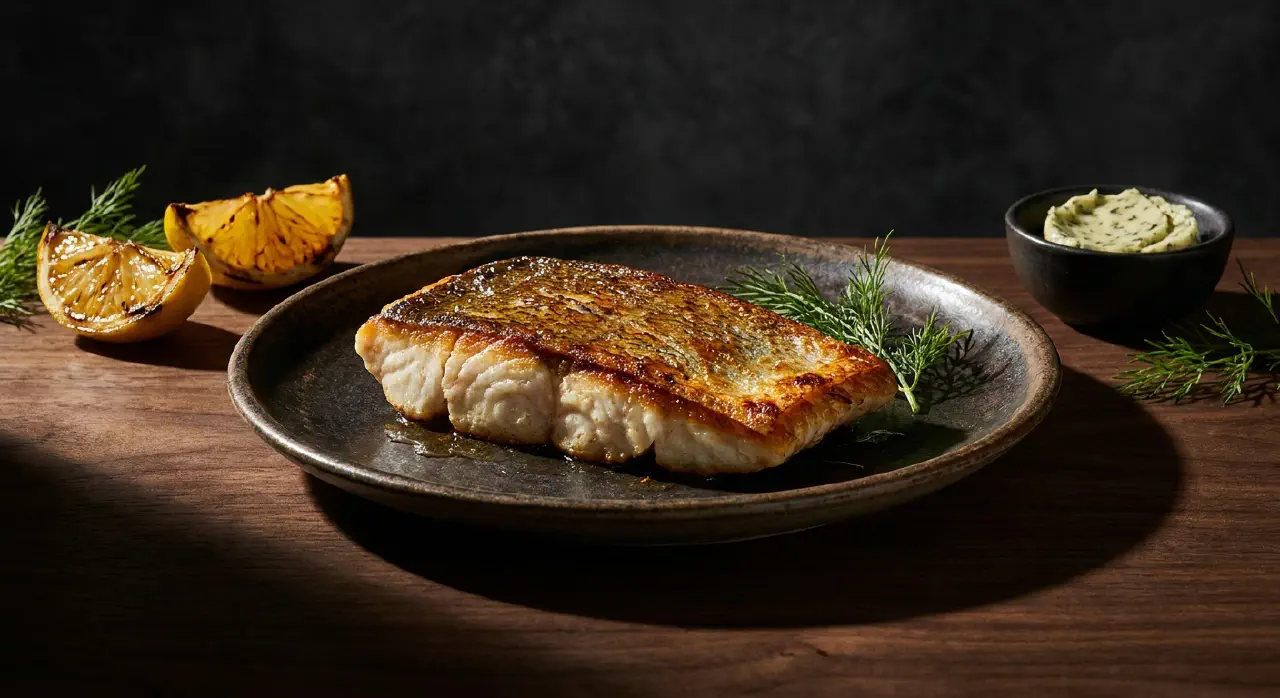
Cooking fish requires different logic than cooking meat. Fish proteins are adapted to cold water, unfold and coagulate more readily, and reach every thermal milestone about 20°F lower than land animal muscle. This means fish reaches target texture in minutes, overcooks in seconds, and responds to heat in ways that sometimes contradict meat-cooking intuition.
Temperature Targets
| Target | Temperature | Texture | Best For |
|---|---|---|---|
| Maximum succulence | 120°F (50°C) | Translucent, jelly-like | Dense fish: tuna, salmon |
| Standard | 130–140°F (55–60°C) | Firm but moist | Most fish and shellfish |
| Safety minimum | 140°F (60°C) | Thoroughly firm | Bacteria/parasite elimination |
| Enzyme deactivation | 160°F (70°C) | Drier but intact | Mush-prone species cooked slowly |
| Virus inactivation | 185°F (83°C) | Very dry | Rarely needed |
Collagen-rich species (shark, skate) benefit from 140°F+ to convert collagen to gelatin. See cooking-temperatures for the broader Arrhenius framework.
Wet Heat Methods (Boiling, Simmering, Poaching, Steaming)
Wet Heat Methods
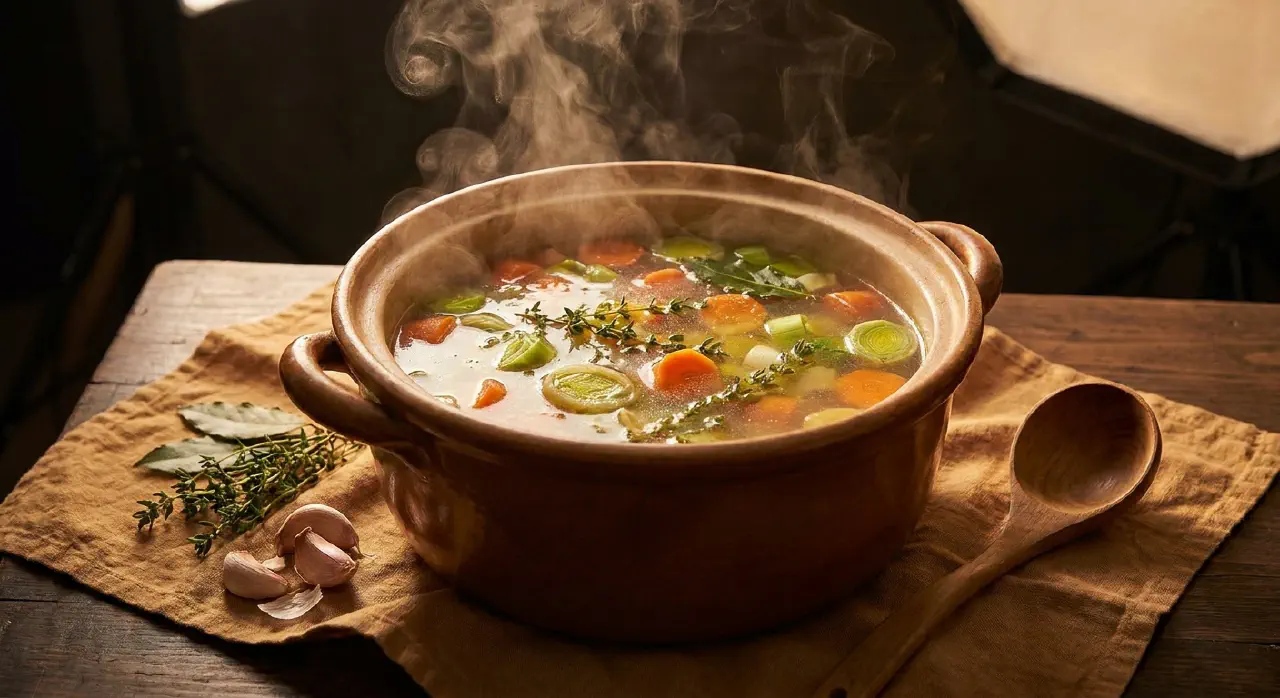
Boiling, simmering, poaching, and steaming share a defining constraint: water’s boiling point (212°F/100°C at sea level) sets a hard ceiling on food temperature. This is too low for Maillard browning (~280°F) or caramelization (~330°F), which is why wet-heat-cooked foods remain pale and mild compared to their dry-heat counterparts. The tradeoff is gentleness — wet heat preserves delicate textures, retains moisture, and delivers uniform temperature with no hot spots.
Boiling
Water at a full rolling boil (212°F) with vigorous convection currents that circulate heat efficiently throughout the pot. The entire medium reaches uniform temperature quickly. Best for foods that can tolerate agitation: pasta (starch gelatinizes), vegetables (softens cellular structure), eggs (proteins denature and set).