Chocolate
Chocolate
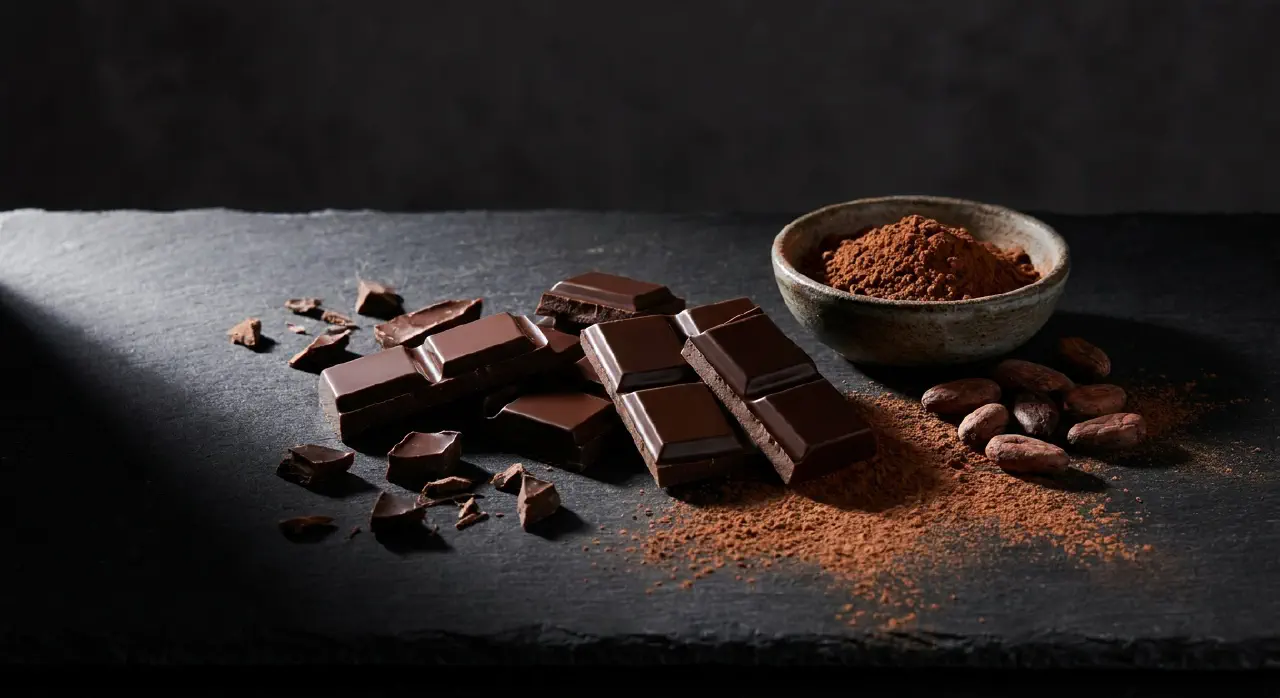
Chocolate is one of the most chemically complex foods — over 600 volatile aroma compounds, produced by an unusually elaborate chain of biological and thermal transformations. The cacao bean starts as a bland, astringent seed; three-phase fermentation converts it into a vessel of flavor precursors; gentle roasting develops those precursors through Maillard browning; and hours of conching aerates and mellows the result. At every stage, the wrong conditions destroy flavor that cannot be recovered.
Coffee
Coffee

Among foods’ most complex flavors — 800+ aroma compounds identified — coffee owes its richness to an extraordinary chain of transformations: the bean is processed, roasted through intense Maillard browning, ground, and extracted into water, each step shaping the final cup. The central variables are species (arabica vs robusta), roast degree, grind size, and extraction percentage.
Species
Two cultivated species of Coffea, native to east Africa:
Arabica (C. arabica): Highland Ethiopian/Sudanese tree producing roughly two-thirds of world trade. More oil (16%), more sugar (7%), less caffeine (1.5%), less phenolic material (6.5%) — yielding more complex, balanced flavor with pronounced acidity. The specialty coffee standard.
Nuts
Nuts
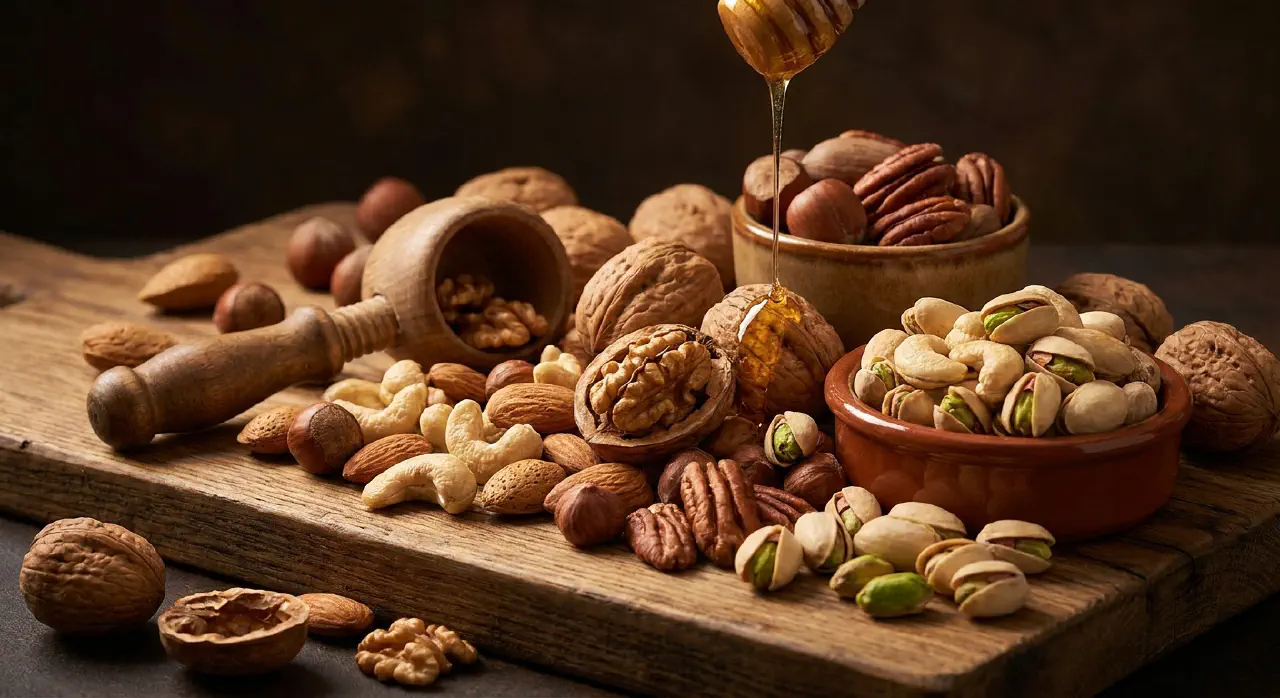
Nutritionally the richest plant foods after pure fats and oils — averaging ~600 calories per 100g, versus ~350 for dry grains — nuts are defined by their high oil content and the weak cell walls that make them uniquely edible raw or after brief dry heat, without the soaking and long cooking other seeds require. Their characteristic richness, creaminess, and depth come from abundant oil stored in oil bodies, the same phospholipid-stabilized structures found in milk fat globules.
Roasting and Baking
Roasting and Baking
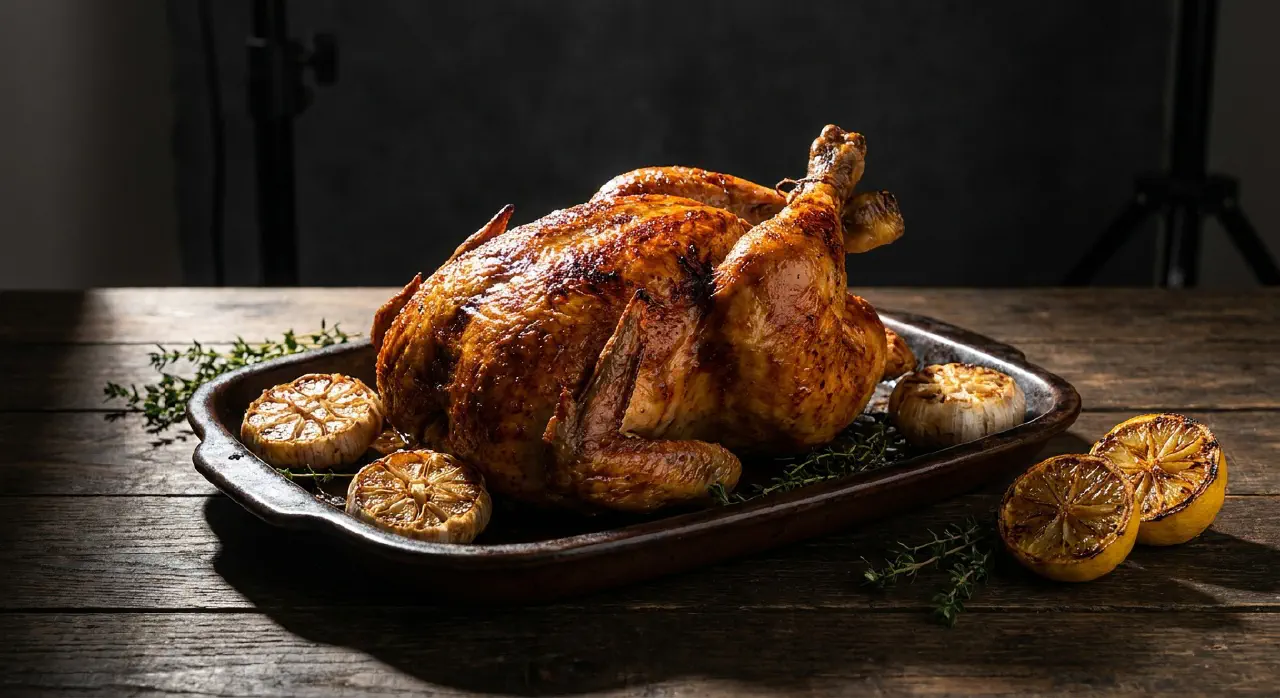
Roasting and baking surround food with hot air in an enclosed oven, combining convection (air circulation) with radiation (from oven walls and elements). The result is the most even dry-heat method — heat reaches all surfaces simultaneously rather than from one direction as in grilling. Typical oven temperatures (300–500°F) dehydrate food surfaces, enabling Maillard browning and caramelization while the interior cooks through by conduction.
Heat transfer mechanism
Hot air rises from the heating element, cooler air sinks, creating convection currents that circulate heat throughout the oven cavity. Oven walls and elements also emit infrared radiation that heats food surfaces directly. The pan itself conducts heat to the food’s bottom surface. Forced convection (fan-assisted) ovens accelerate air movement, producing more uniform temperatures and faster cooking.