Caramelization
Caramelization
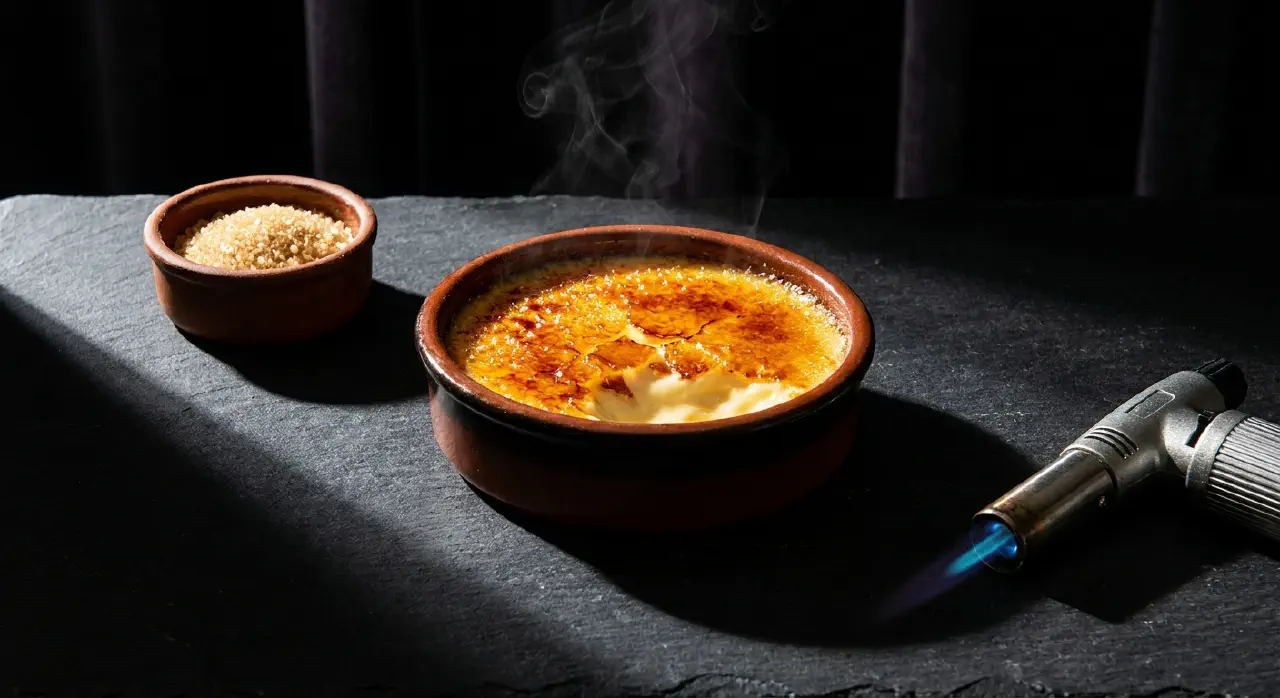
Caramelization is the simplest browning reaction — pure sugar, heated until it breaks down into hundreds of new compounds that produce the characteristic color, aroma, and bittersweet complexity of caramel. Unlike the maillard-reaction, no proteins are involved.
The process
When sucrose is heated above ~330°F/165°C, it melts into a thick syrup and begins to decompose. The sugar molecules fragment and recombine into a cascade of products:
- Organic acids (acetic acid and others) — contribute sourness
- Sweet and bitter derivatives — the bittersweet complexity of caramel
- Volatile aromatic molecules — butterscotch (diacetyl), nutty (furans), sherry-like (acetaldehyde), fruity (esters), and the distinctive caramel note (maltol)
- Brown polymers (melanoidins) — the color
The process is progressive: light yellow (mild, mostly sweet) through amber (complex, bittersweet) to dark brown (increasingly bitter, eventually burnt). The cook’s job is to stop at the right point.
Cooking Temperatures
Cooking Temperatures
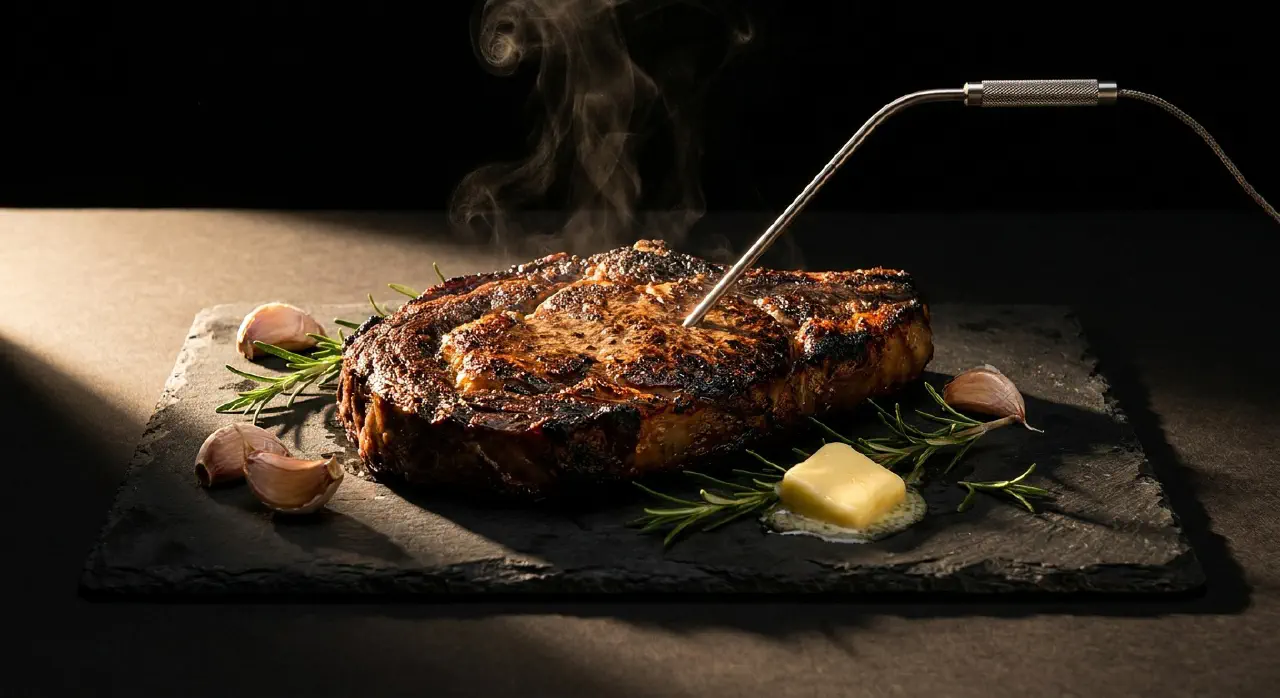
Temperature is the single most important variable in cooking. Every major transformation — protein-denaturation, starch-gelatinization, caramelization, the maillard-reaction — is a chemical reaction governed by temperature. Understanding a few foundational principles lets you reason about almost any cooking situation from first principles.
The Arrhenius rule: 10°C doubles the rate
The Arrhenius equation from physical chemistry predicts that chemical reaction rates roughly double with every 10°C increase. In the kitchen, this means a 5°C difference is noticeable (~1.4× speed change), a 20°C swing produces a 4× difference in browning speed, and small temperature errors compound into large outcome differences.
Deep Frying
Deep Frying
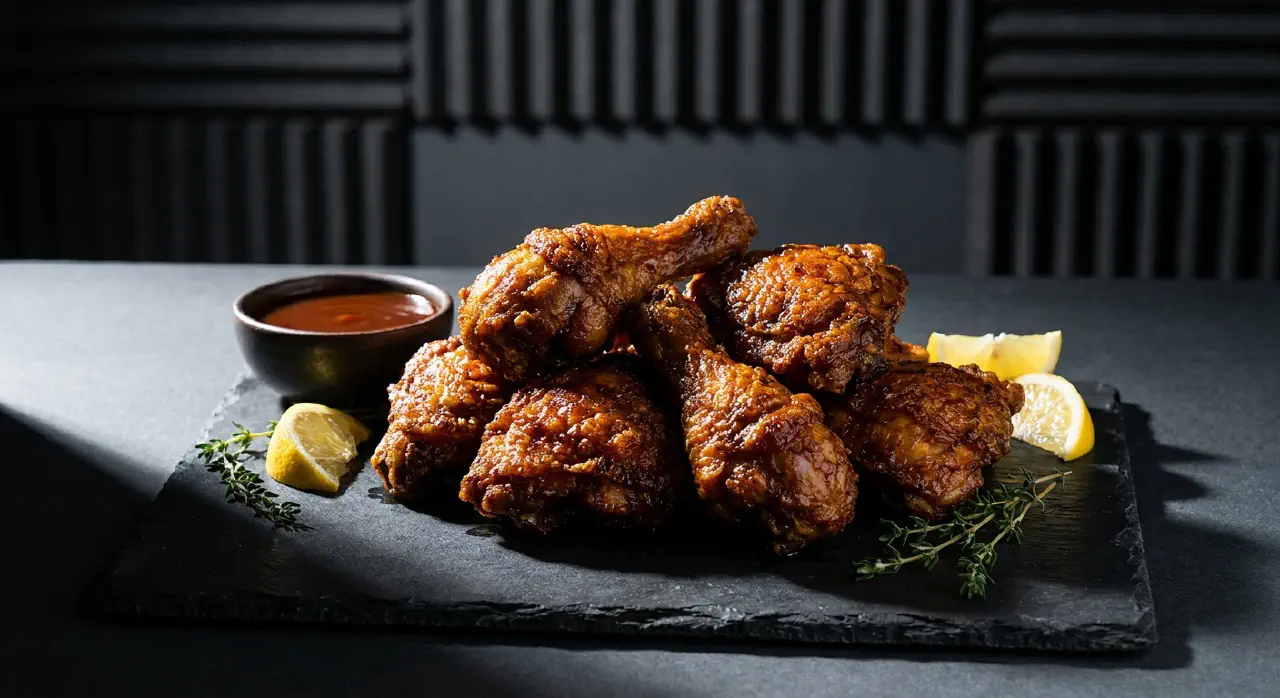
Deep frying is cooking food fully submerged in hot oil, typically at 325–375°F/163–190°C. It produces a uniquely satisfying contrast — a crisp, browned exterior and a moist, steamed interior — through a dynamic exchange between oil and water.
The mechanism: water out, oil in
When food enters hot oil, a rapid sequence begins:
- Surface water vaporizes — the food’s moisture flashes to steam on contact with oil far above water’s boiling point.
- Steam forces outward — the violent outward rush of steam is the vigorous bubbling you see. This steam pressure actually prevents oil from penetrating deeply into the food.
- The crust forms — as surface moisture departs, the dehydrated exterior crisps. Temperatures at the surface climb above 280°F/140°C, enabling Maillard browning. This is where deep-fried flavor and color develop.
- The interior steams — below the crust, the food’s interior never exceeds 212°F/100°C because it’s being cooked by its own steam. This is why a properly fried piece of fish is moist inside.
- Oil absorption happens after frying — most oil enters the food during cooling, not during frying. As the food cools, steam condenses and the pressure differential sucks oil into the surface pores. Draining immediately on a rack minimizes this.
The steam armor principle
The mechanism above can be summarized as a single concept: steam armor. As long as water inside the food is flashing to steam and pushing outward, oil cannot penetrate. The strength of this armor depends entirely on oil temperature — hotter oil means more vigorous steam production and a stronger barrier.
Fish Cooking
Fish Cooking
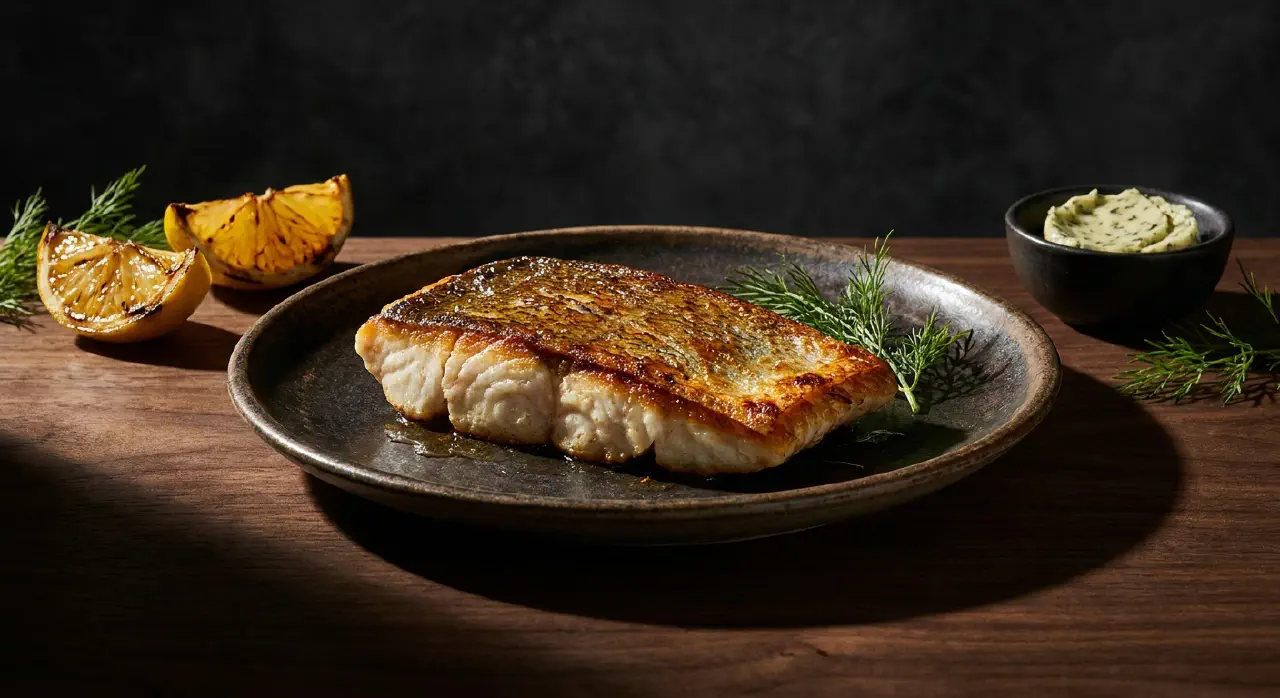
Cooking fish requires different logic than cooking meat. Fish proteins are adapted to cold water, unfold and coagulate more readily, and reach every thermal milestone about 20°F lower than land animal muscle. This means fish reaches target texture in minutes, overcooks in seconds, and responds to heat in ways that sometimes contradict meat-cooking intuition.
Temperature Targets
| Target | Temperature | Texture | Best For |
|---|---|---|---|
| Maximum succulence | 120°F (50°C) | Translucent, jelly-like | Dense fish: tuna, salmon |
| Standard | 130–140°F (55–60°C) | Firm but moist | Most fish and shellfish |
| Safety minimum | 140°F (60°C) | Thoroughly firm | Bacteria/parasite elimination |
| Enzyme deactivation | 160°F (70°C) | Drier but intact | Mush-prone species cooked slowly |
| Virus inactivation | 185°F (83°C) | Very dry | Rarely needed |
Collagen-rich species (shark, skate) benefit from 140°F+ to convert collagen to gelatin. See cooking-temperatures for the broader Arrhenius framework.
Meat Cooking
Meat Cooking
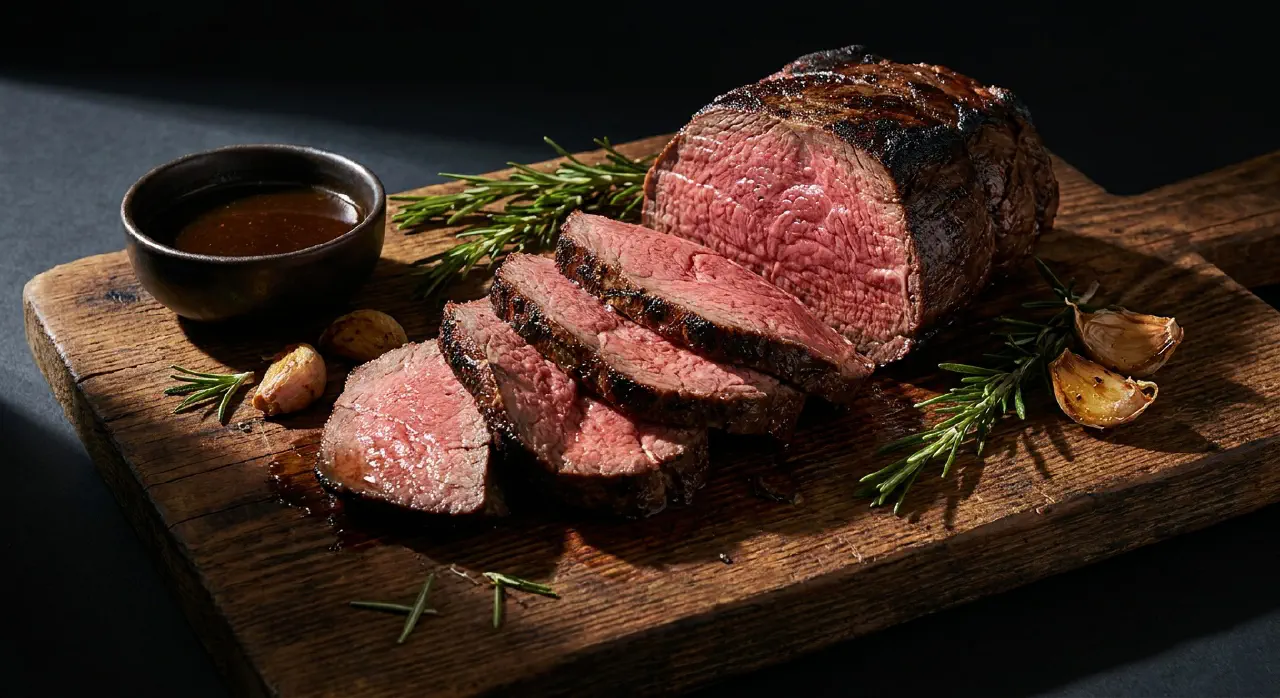
Cooking meat has four purposes: safety (killing pathogens), digestibility (denaturing proteins for easier enzymatic access), flavor development (creating hundreds of aromatic compounds via the Maillard reaction and other chemistry), and texture change (transforming raw mushiness into appetizing firmness). The central challenge is that meat’s two protein systems — muscle fibers and collagen — respond to heat in opposite ways.
The texture progression
As meat heats, the texture changes follow a dramatic and non-linear path: