Barrel Aging
Barrel Aging
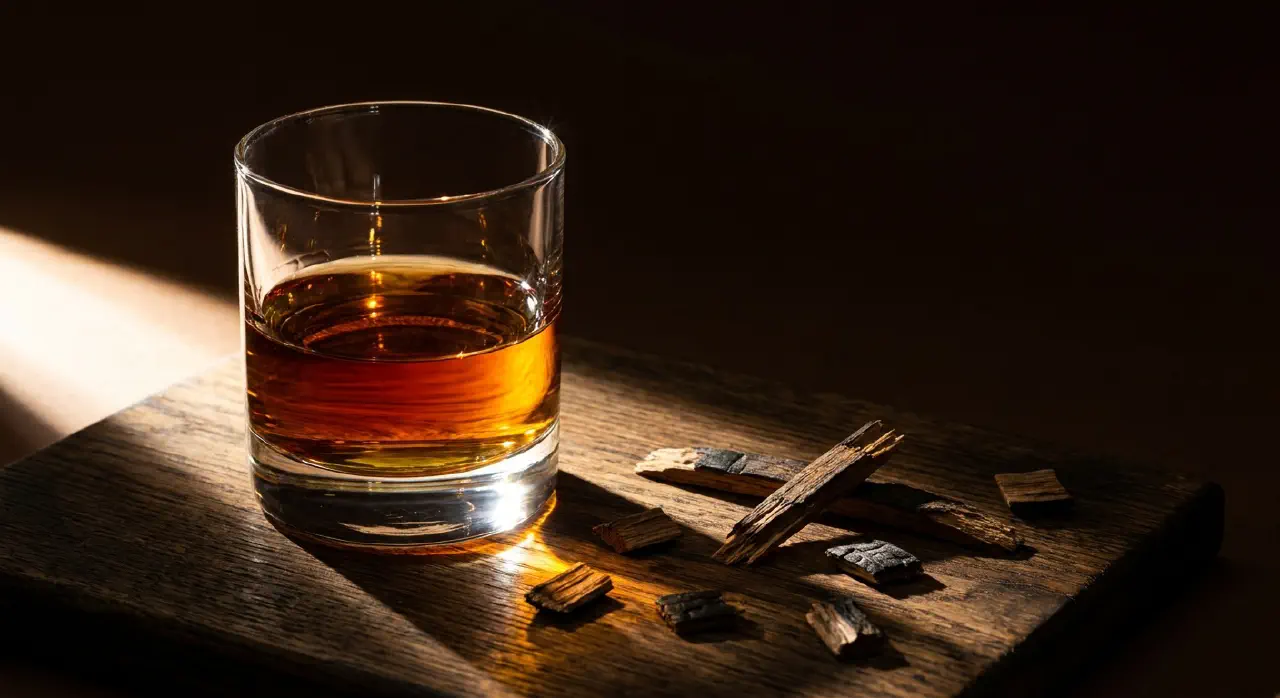
Oak barrels are not inert containers — they are active participants in the flavor of wine, spirits, and vinegar. The liquid extracts soluble compounds from the wood (tannins, vanillin, clove-like eugenol, coconut-and-peach oak lactones, sugars); absorbs limited oxygen through the wood’s pores; and undergoes slow chemical reactions that drive the contents toward a harmonious equilibrium. The barrel-making process — particularly toasting and charring — transforms the wood’s own cell-wall molecules into new aromatic compounds, making the cooper as much a flavor craftsman as the distiller or winemaker.
Cheese
Cheese
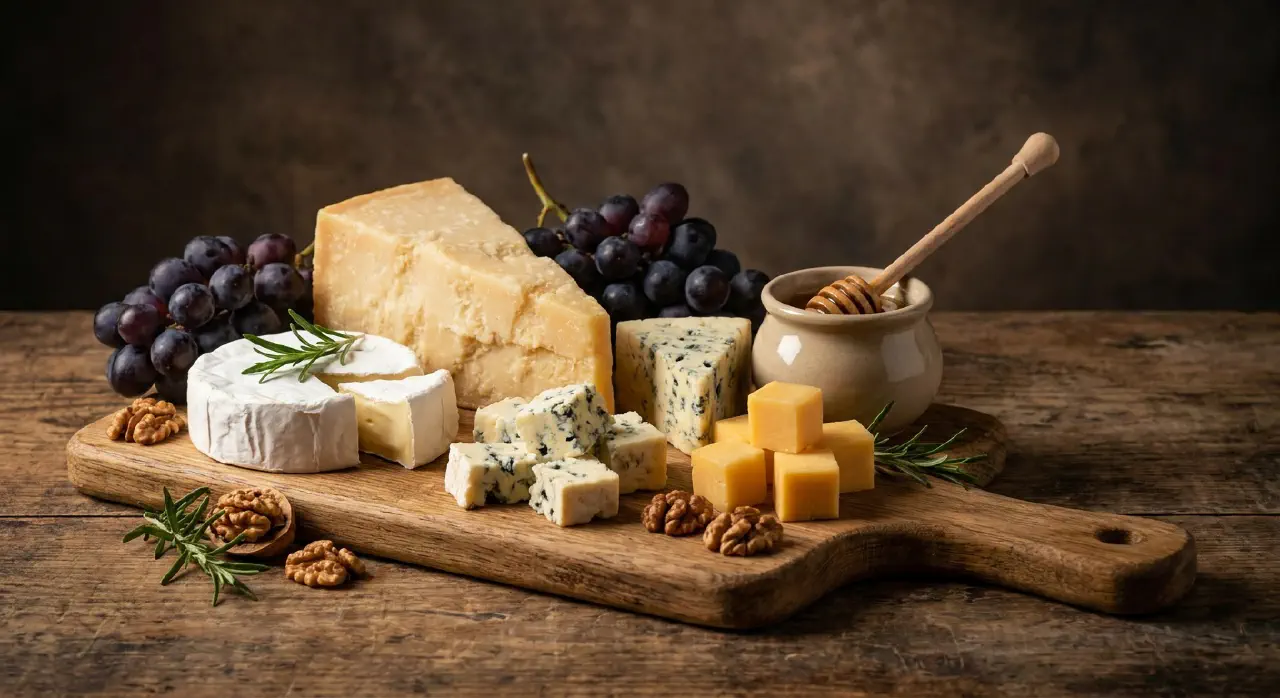
Cheese is milk made more concentrated, more durable, and more flavorful through controlled coagulation of casein proteins, removal of whey, and — in aged cheeses — prolonged enzymatic breakdown of proteins and fats. It is one of the oldest fermented foods, with archaeological evidence dating to ~2300 BCE, and one of the most diverse: France alone produces several hundred distinct varieties, each a product of local milk, climate, microbes, and tradition.
Distilled Spirits
Distilled Spirits

Distilled spirits are the concentrated essence of wine and beer — products of the simple principle that alcohol (boiling point 173°F/78°C) vaporizes before water (212°F/100°C). Heating a fermented liquid sends alcohol-rich, aroma-laden vapor off preferentially; cooling and condensing that vapor produces a liquid far more potent than the original. The result is not just stronger drink but some of the most intensely flavorful foods humans produce.
History
Mesopotamians were concentrating essential plant oils by distillation over 5,000 years ago. Chinese alchemists may have distilled concentrated alcohol ~2,000 years ago, with commercial production by the 13th century. In Europe, significant quantities appeared in Salerno, Italy (~1100) at its medical school. The Catalan scholar Arnaud of Villanova (~1300) dubbed it aqua vitae — “water of life” — a term that survives in Scandinavian aquavit, French eau de vie, and the Gaelic uisge beatha that became “whisky.”
Meat Aging
Meat Aging
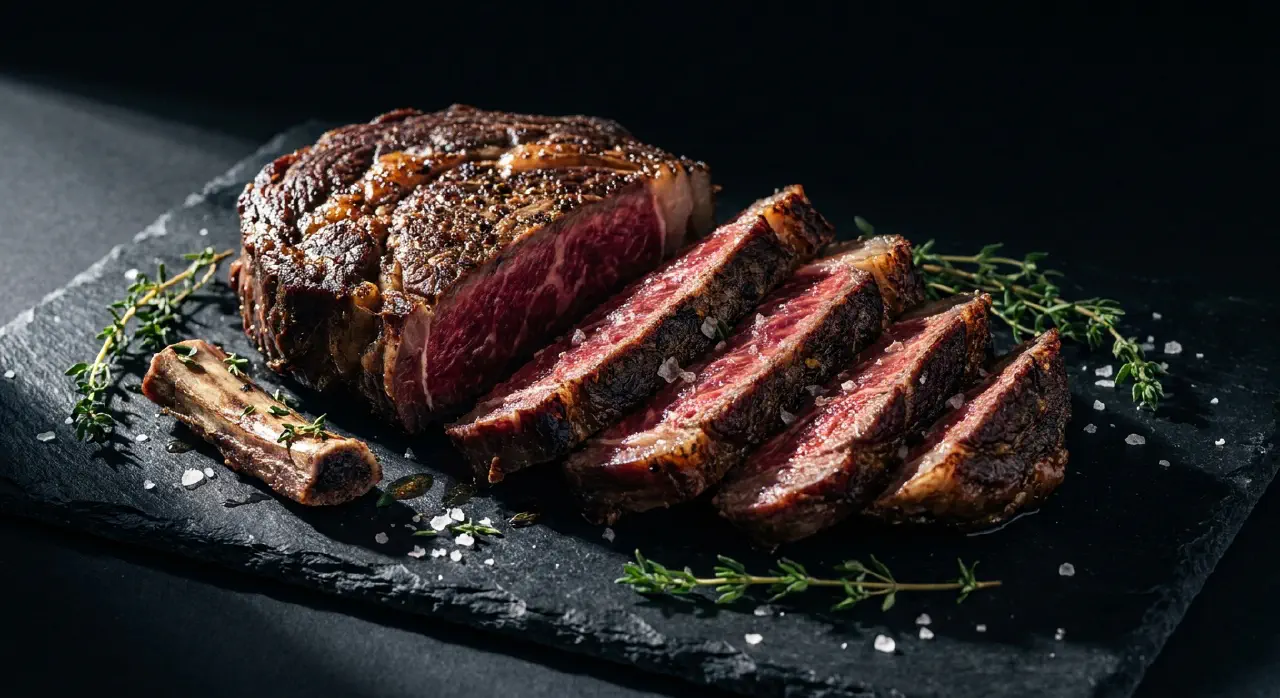
Aging is the controlled enzymatic breakdown of meat after slaughter. While popularly understood as a tenderizing process, its primary benefit is flavor development — enzymes convert large, flavorless molecules into small, intensely savory ones. The tenderizing effect is secondary and largely resolves within the first few days.
Rigor mortis
Immediately after slaughter, muscles are relaxed and extremely tender — if cooked within the first hour or two, the meat would be exceptionally soft. But this window closes quickly: once muscle energy (ATP) is depleted (within ~1 hour for lamb, pork, and chicken; ~2.5 hours for beef), the contractile filaments lock permanently. This is rigor mortis.