Egg Foams
Egg Foams
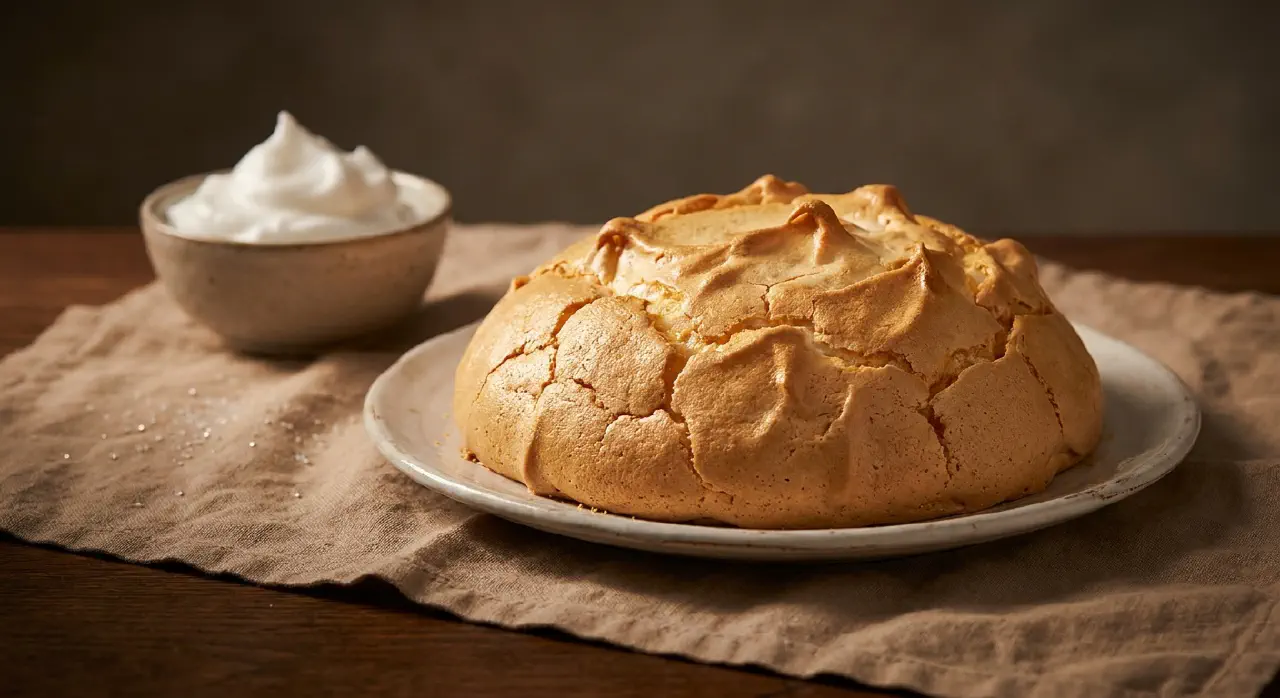
An egg foam is a mass of air bubbles stabilized by a protein network — a structure unique to egg whites. When whisked, egg white proteins unfold at the air-water interface and bond into a continuous film that reinforces bubble walls, turning a liquid into a semi-solid that can hold its shape against gravity. This is the basis of meringue, soufflé, angel food cake, mousse, and many other preparations.
Eggs
Eggs
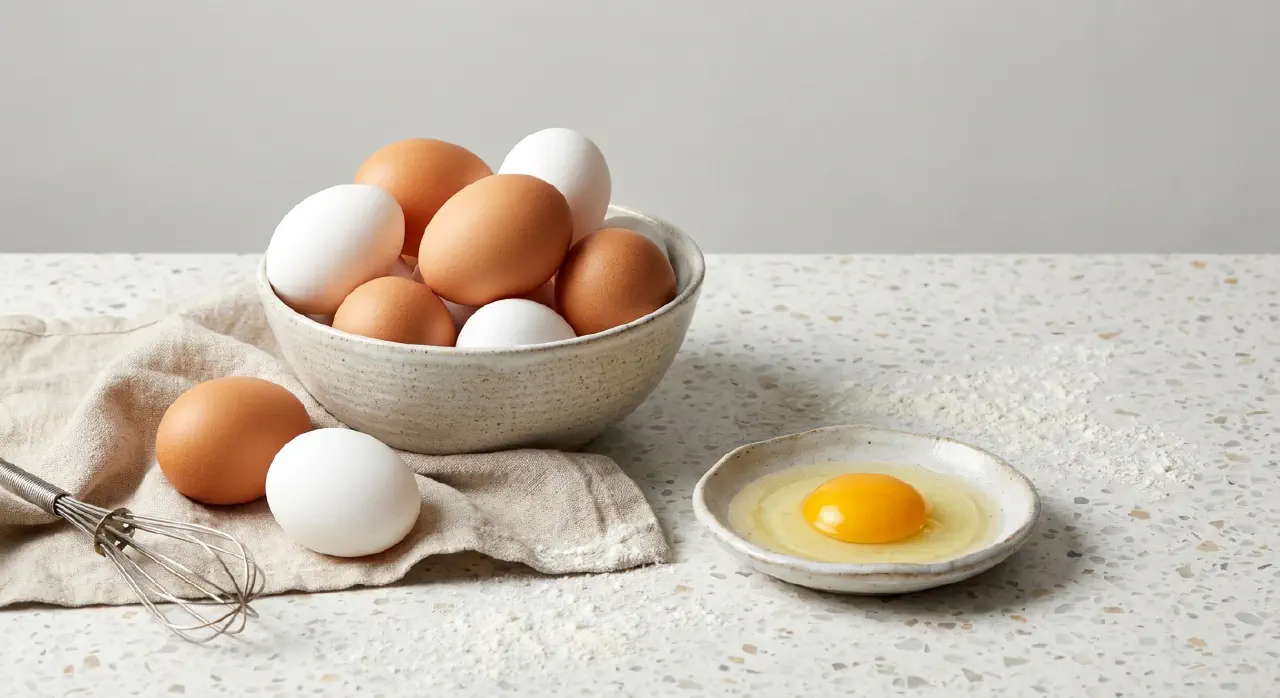
Eggs are the most versatile ingredient in cooking — they thicken, emulsify, leaven, bind, coat, and enrich. This versatility comes from their proteins, which respond to heat, acid, air, and mechanical force in predictable ways that no other single ingredient can match. Understanding egg science means understanding the biology first: every cooking property the egg possesses is a side effect of its original job — supporting 21 days of embryonic development inside a sealed calcium shell.
Fish
Fish
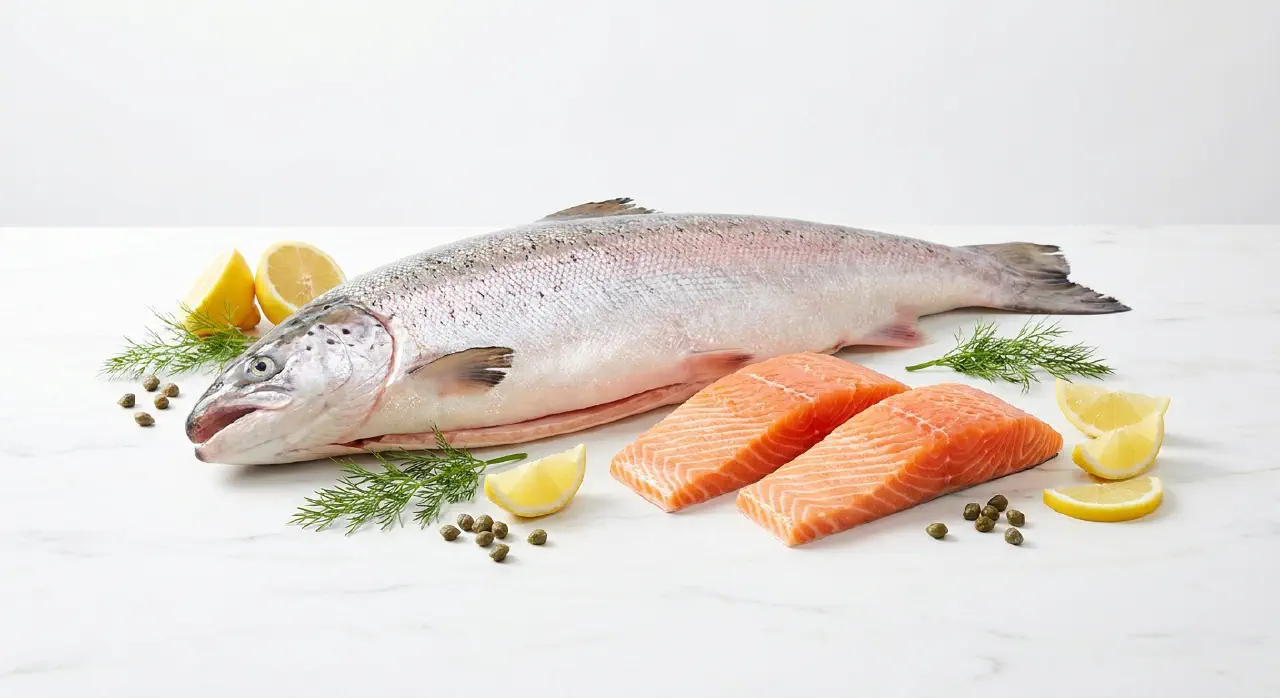
Fish is fundamentally different from land animal meat — not just milder or more delicate, but structurally and chemically distinct in ways that demand different cooking logic. Water’s buoyancy means fish never needed the heavy skeletal support and tough connective tissue that gravity imposes on land animals. The result is pale, translucent flesh with weak collagen and a layered muscle architecture unlike anything on land.
Muscle Structure: Myotomes and Flaking
Fish muscle is organized into thin sheets called myotomes — each roughly the width of a fish scale — separated by thin connective tissue layers (myosepta). A cod-sized fish has about 50 of these sheets nested in complex W-shaped folds along its length. When the collagen in myosepta dissolves during cooking (at just 120–130°F / 50–55°C), the sheets separate into the characteristic “flakes” of cooked fish. Each flake is a complete myotome. This is completely unlike land animal muscle, where fibers run continuously through unified muscles.
Gluten Science
Gluten Science
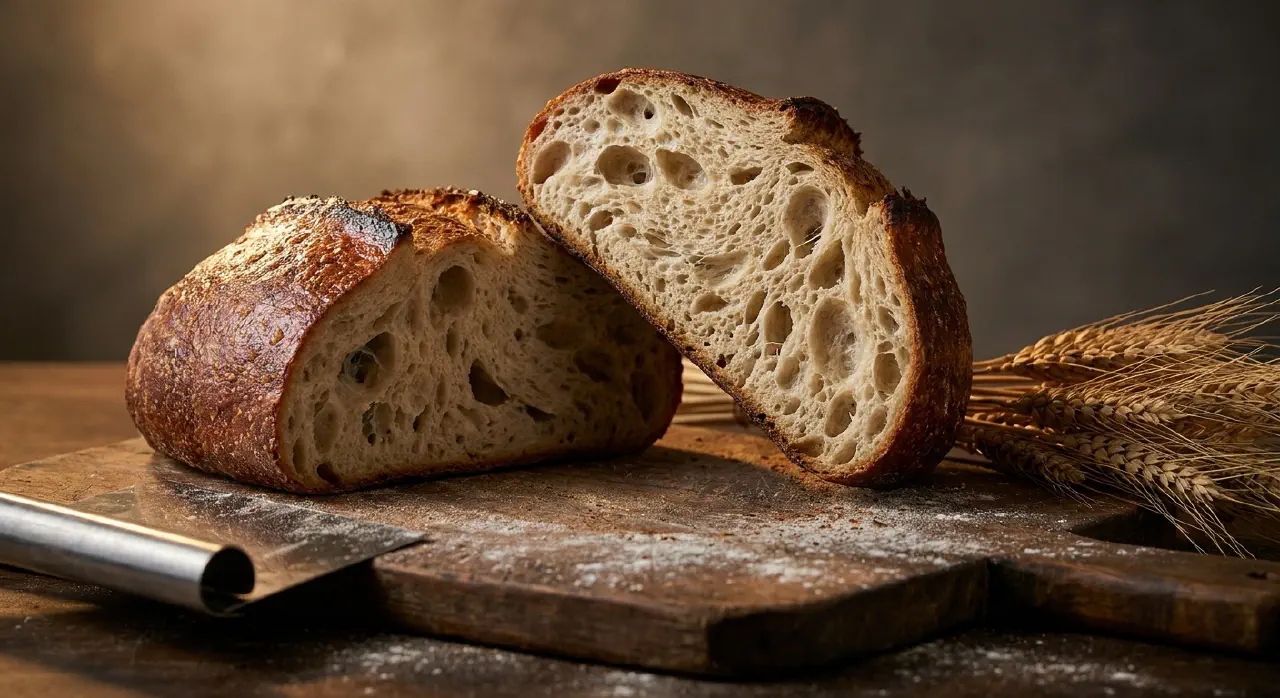
Gluten is the protein network that makes wheat doughs uniquely capable of trapping gas, holding shape, and producing textures from airy bread to chewy pasta to crumbly pastry. It doesn’t pre-exist in flour — it forms when two storage proteins, glutenin and gliadin, hydrate and bond during mixing. Understanding gluten is understanding why wheat dominates world baking, and why every dough-based preparation is fundamentally a strategy for controlling this one variable.
Protein Structure and Enzymes
Protein Structure and Enzymes
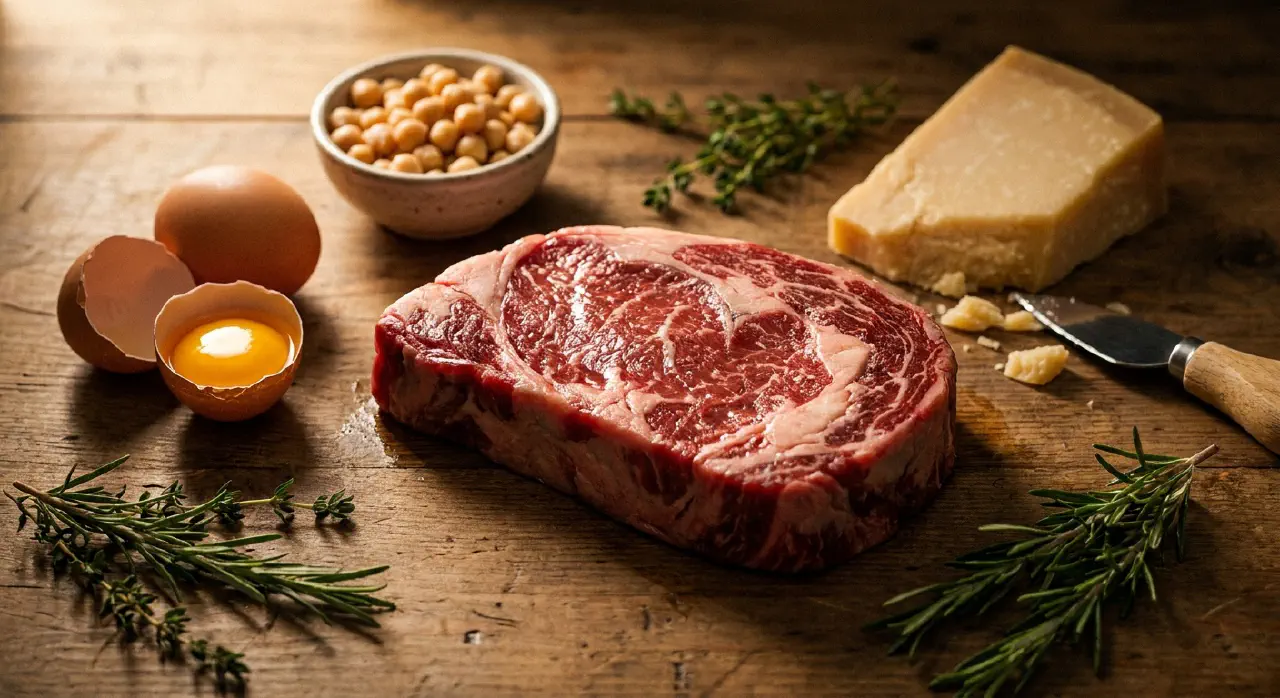
Proteins are the most challenging and sensitive of the four food molecules. Unlike water, fats, and carbohydrates (all relatively stable), proteins drastically change behavior when exposed to heat, acid, salt, or air. This sensitivity is fundamental — proteins are the active machinery of life, assembling and tearing down molecules, transporting materials within cells, forming muscle fibers that move whole animals. Their inherent dynamism is what makes them so responsive to cooking conditions.
Salt
Salt
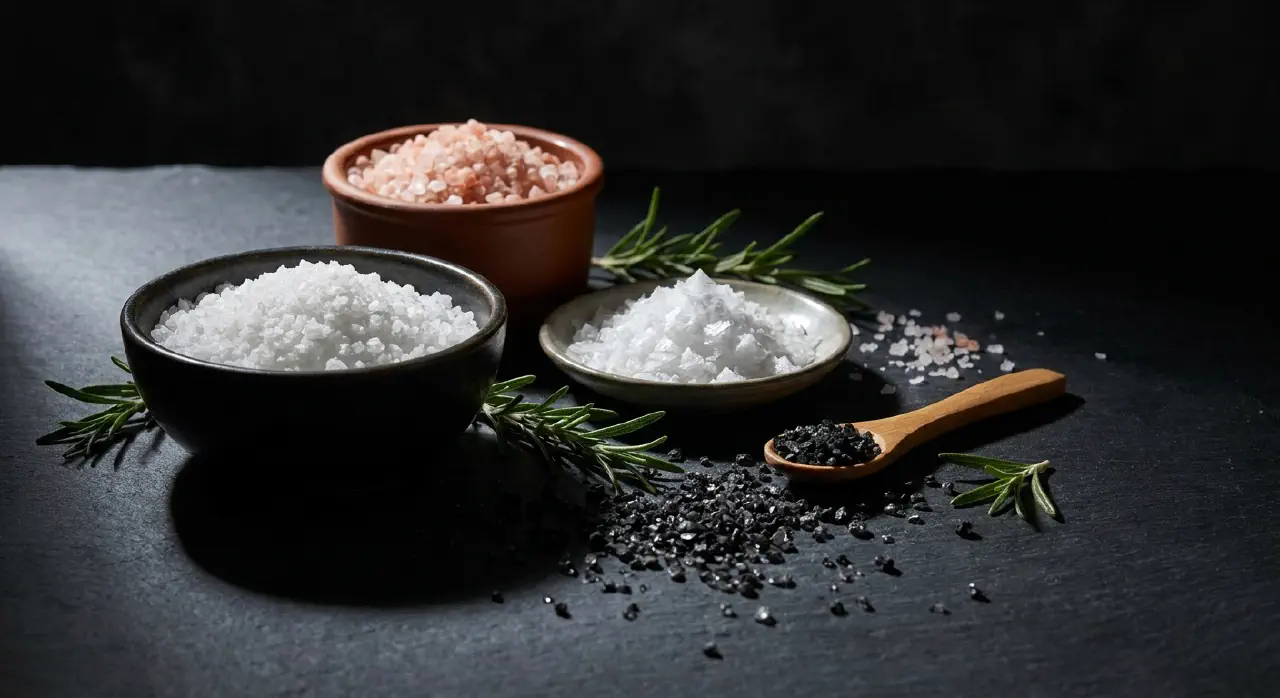
Salt (sodium chloride) is the only mineral we eat in pure form and the most fundamental seasoning in cooking. But its effects extend far beyond taste — salt alters protein behavior, controls water activity, preserves food, and modifies texture in ways that make it one of the most scientifically important ingredients in the kitchen.
Effects on proteins
Salt dissolves into sodium and chloride ions that cluster around charged portions of protein molecules, neutralizing their mutual electrical repulsion. This has two major consequences: