Carbohydrates in Cooking
Carbohydrates in Cooking
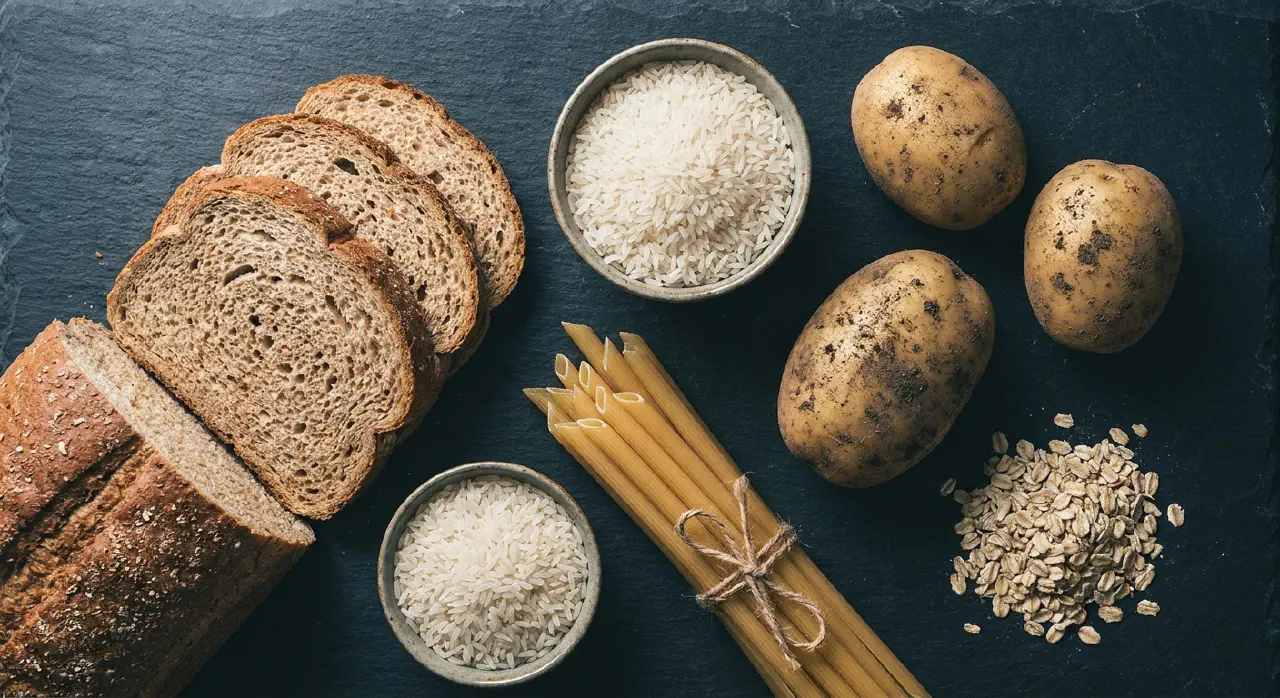
Carbohydrates — built from carbon, hydrogen, and oxygen — serve two purposes in the biological world: energy storage (sugars and starch) and structural support (cellulose, pectin). The cook encounters them at every scale, from the sweetness of a single glucose molecule to the indigestible fiber of a celery stalk. The remarkable fact is that the same glucose monomer, connected by different chemical linkages, produces substances with opposite cooking behavior — soluble starch that thickens sauces and insoluble cellulose that resists hours of boiling.
Citrus
Citrus
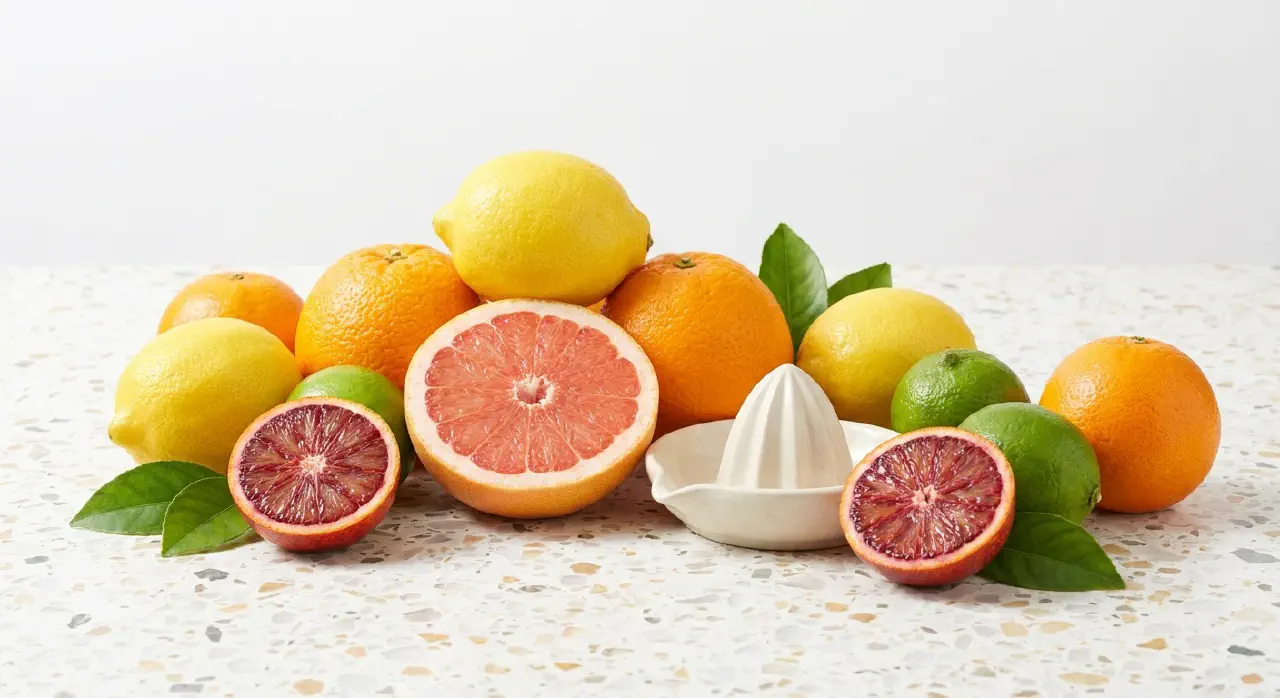
Among the most important tree fruits globally, originating in southern China, northern India, and Southeast Asia. All common domesticated citrus descend from just three parent species — citron (C. medica), mandarin (C. reticulata), and pummelo (C. grandis) — with the rest being natural and intentional hybrids of extraordinary variety. All citrus are non-climacteric: they ripen gradually on the tree, lack starch reserves, and cannot improve in sweetness after harvest. Their meaty peel, gel-making pectins, and robust post-harvest shelf life make them the most shippable of fresh fruits.
Plant Biology
Plant Biology
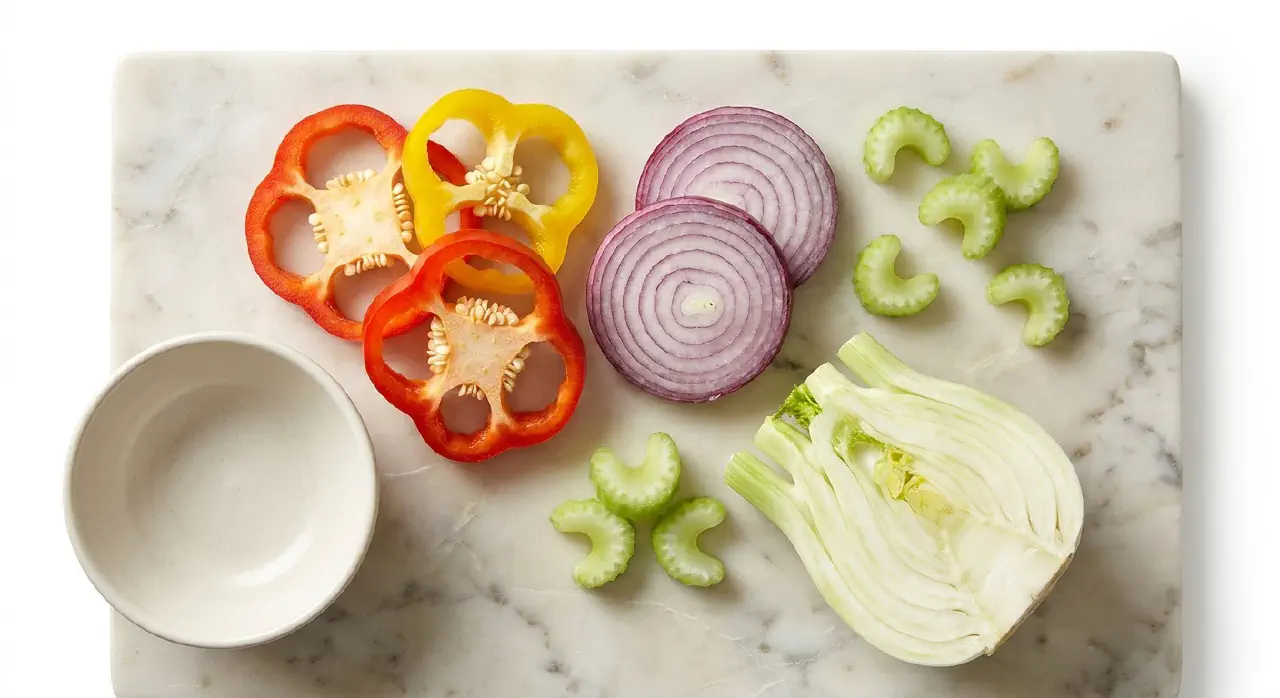
Plants are carbohydrate machines. Unlike animals, which build their tissues from protein and fat for movement, plants build from carbohydrates — cellulose for structure, starch for storage, sugars for energy. This fundamental difference explains why plant foods taste, cook, and behave so differently from meat: carbohydrates tolerate heat robustly, dispersing into tissue moisture at boiling temperature to create soft, succulent textures. There is no equivalent of the overcooked-tough steak — vegetables can only go too soft, never too tough.
Plant Preservation
Plant Preservation
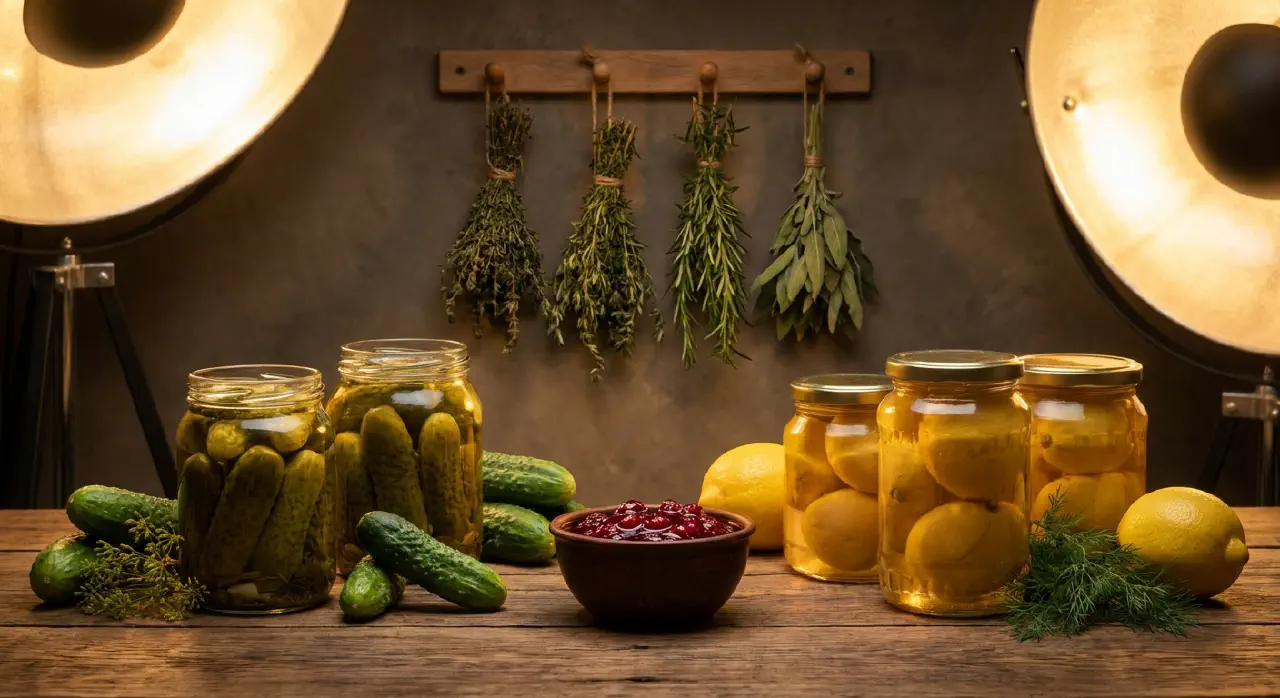
Preserving fruits and vegetables indefinitely requires two things: inactivating the plant’s own enzymes (which cause self-digestion) and making the environment inhospitable to microbes. Every preservation method achieves this through some combination of removing water, adding acid, adding sugar, adding salt, excluding oxygen, or applying heat. The methods range from prehistoric (sun-drying, fermentation) to industrial-age (canning, freeze-drying).
Drying
The oldest method. Reducing tissue water content from ~90% to 5–35% creates conditions in which little can grow.
Pome Fruits
Pome Fruits
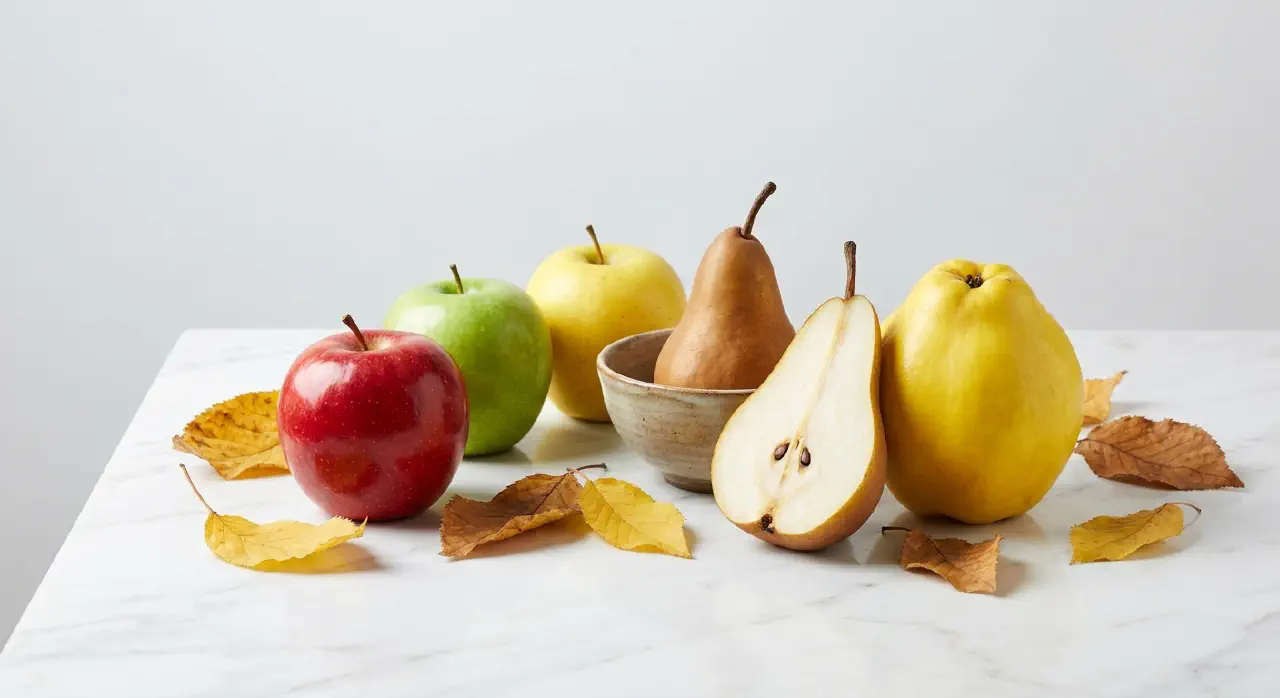
The pome fruits — apples, pears, quince, and their relatives — are all members of the rose family (Rosaceae), native to Eurasia. The defining structure is a thick fleshy portion derived from the enlarged flower stem tip (not the ovary alone), surrounding an inner tough-walled core containing seeds. All are climacteric, storing starch that converts to sugar during ripening, making them the temperate world’s most storable and versatile fresh fruits.
Precision Jam
Traditional jam-making is thermal violence — boil hard, drive off water, hope something recognizable survives. At 85°C with precision control, jam tastes like the fresh fruit you started with while remaining fully safe and properly set. The key: pectin only needs 83°C to gel, so everything above that is destroying flavor you could have kept.
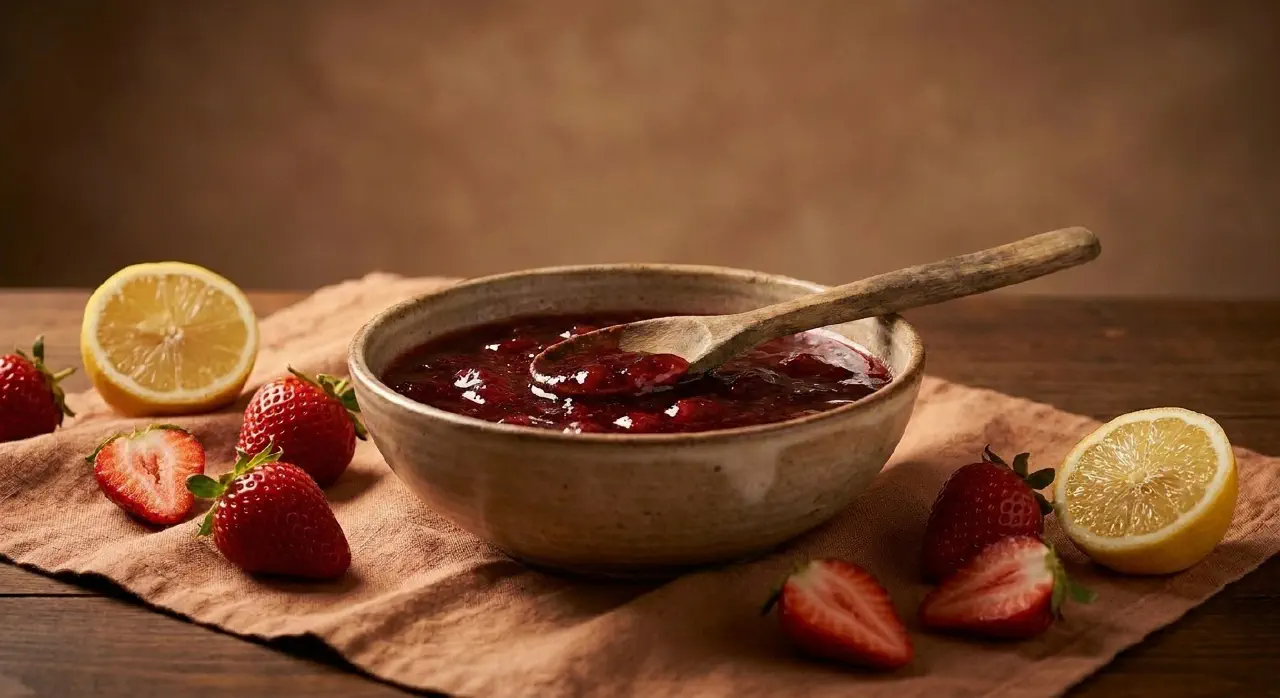
The Aroma Problem
If you can smell jam from the other side of the house, that’s flavor vapor — volatile aroma compounds hitching a ride on escaping steam. At 100°C with vigorous boiling, steam acts as a cargo ship for aroma molecules. You get a wonderful kitchen smell and jam that tastes like sugar with a memory of fruit.
Vegetable Cooking
Vegetable Cooking
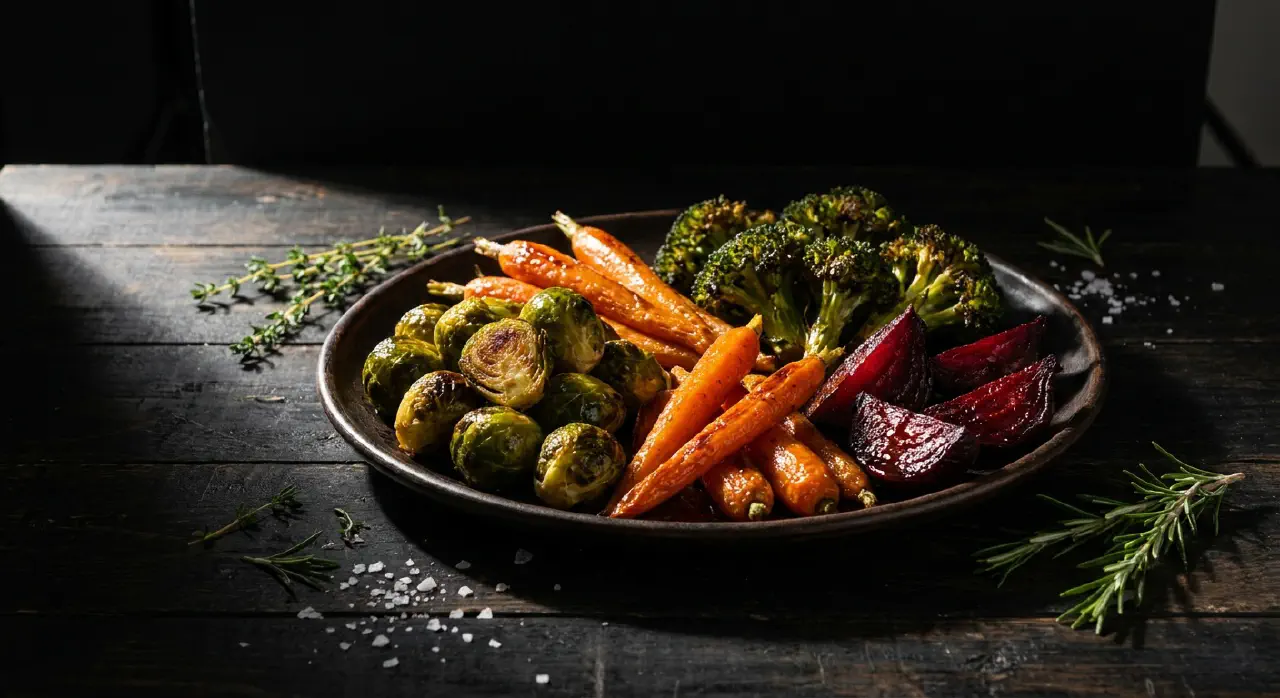
Cooking vegetables is, in principle, simpler than cooking meat — plant tissues are mainly carbohydrates, which tolerate heat better than proteins. But the simplicity is deceptive. Vegetables occupy one of cooking’s narrowest temperature windows: only 10°C separates “still crunchy” from “mush,” and both color and nutrients degrade rapidly with overcooking.
Why vegetables are forgiving — and unforgiving
Plant cell walls are built from cellulose fibers held together by pectin, a gel-forming carbohydrate. Unlike proteins, which tighten and expel water when heated, carbohydrates simply disperse into the tissue moisture, producing soft, succulent textures. There is no equivalent of the “overcooked steak” failure mode — vegetables don’t get tough, they get soft. The danger is going too far.