Alcohol Science
Alcohol Science
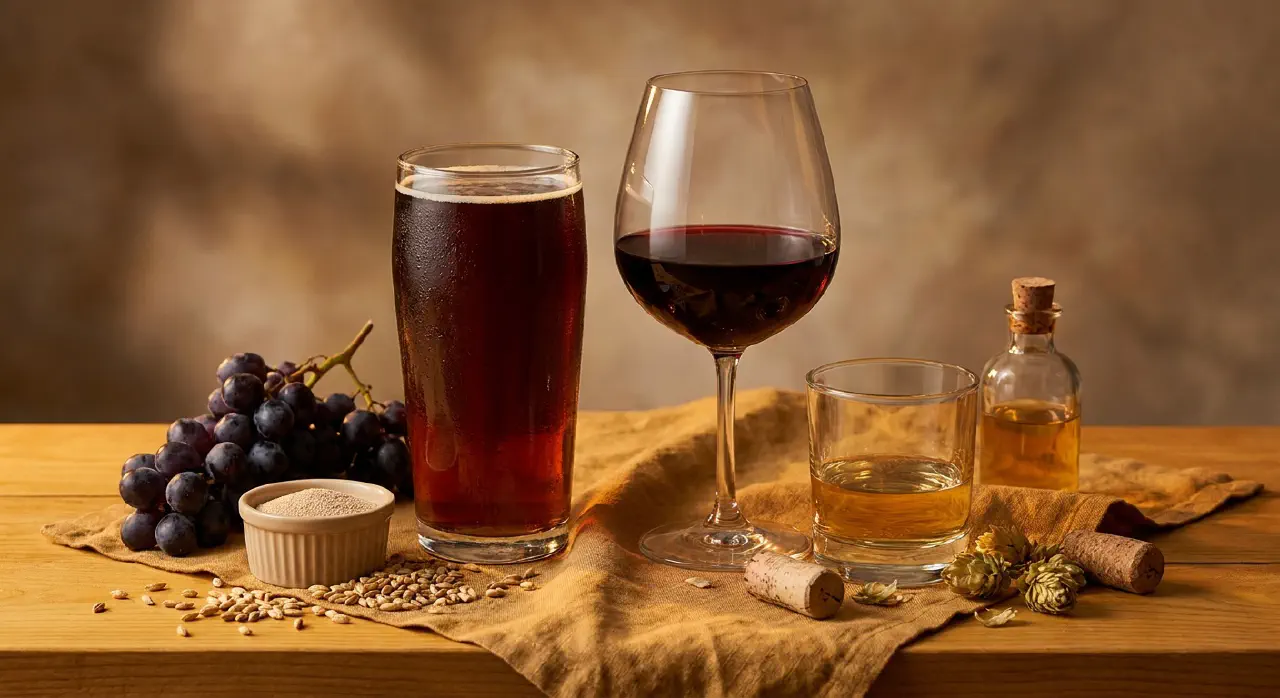
Ethanol — the alcohol in wine, beer, and spirits — is a small, dual-natured molecule: one end resembles a fatty-acid chain, the other resembles water. This amphipathic structure makes ethanol a universal solvent, a third cooking medium alongside water and oil, and a potent drug that penetrates cell membranes. Understanding ethanol’s physical properties explains everything from why distillation works to why flambé retains most of its alcohol.
Fermentation chemistry
About 160 species of Saccharomyces (“sugar fungus”) yeasts convert glucose to ethanol and CO₂ under anaerobic conditions. Beyond ethanol, yeasts produce a constellation of flavor compounds: savory succinic acid, fruity esters (from combining alcohols with acids), longer-chain “higher” alcohols from amino acid metabolism, and sulfur compounds reminiscent of cooked vegetables and toast. Dead yeast cells (lees) release enzymes that generate still more flavor. This is why fermentation is not just preservation — it is flavor creation.
Legumes
Legumes
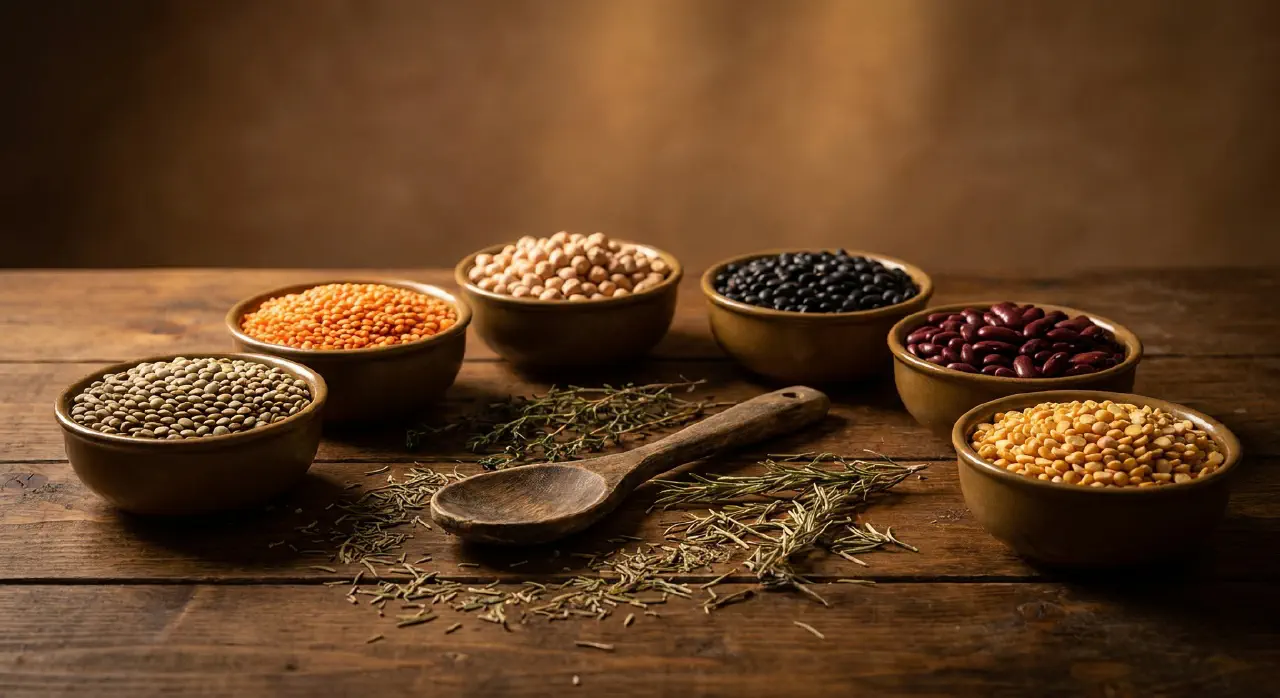
The second most important plant family in the human diet (after grasses), legumes owe their protein power to a symbiosis: soil bacteria (Rhizobium) colonize the roots and convert atmospheric nitrogen into plant-usable form, allowing legumes to accumulate 2–3× the protein of wheat or rice. Four legumes were so prominent in ancient Rome that they gave names to distinguished families — Fabius (fava), Lentulus (lentil), Piso (pea), and the most celebrated, Cicero (chickpea).
Meat Cooking
Meat Cooking
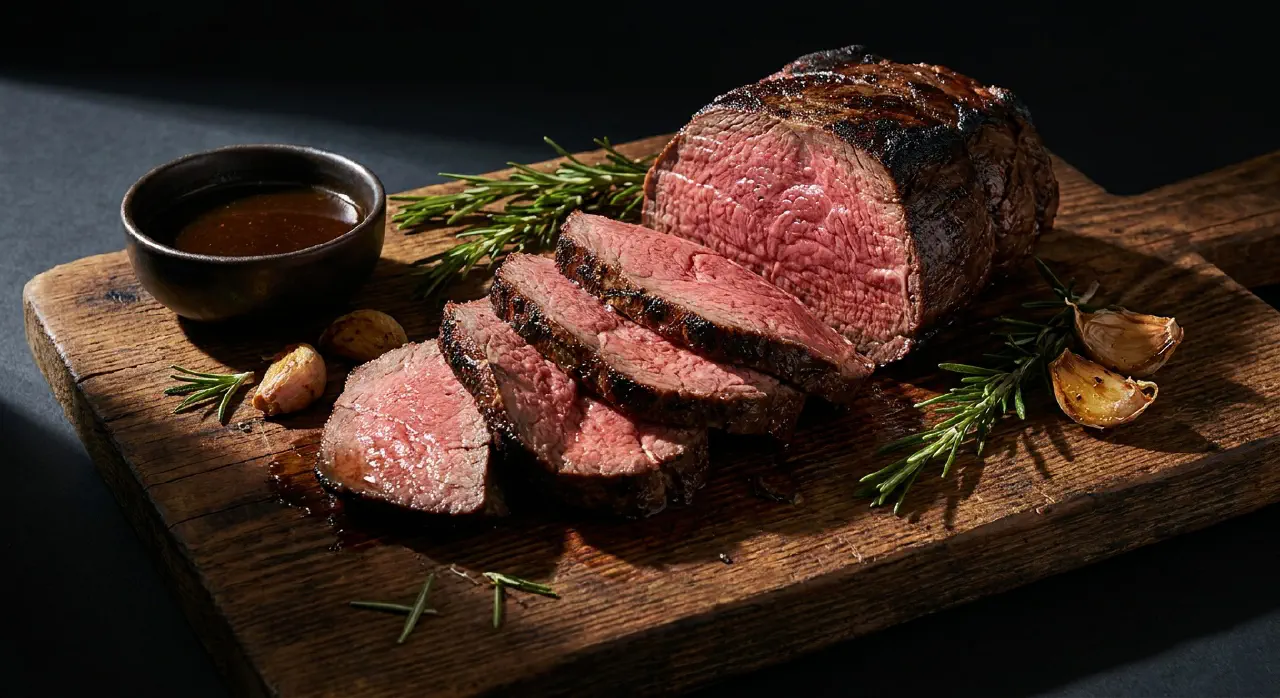
Cooking meat has four purposes: safety (killing pathogens), digestibility (denaturing proteins for easier enzymatic access), flavor development (creating hundreds of aromatic compounds via the Maillard reaction and other chemistry), and texture change (transforming raw mushiness into appetizing firmness). The central challenge is that meat’s two protein systems — muscle fibers and collagen — respond to heat in opposite ways.
The texture progression
As meat heats, the texture changes follow a dramatic and non-linear path:
Plant Color
Plant Color
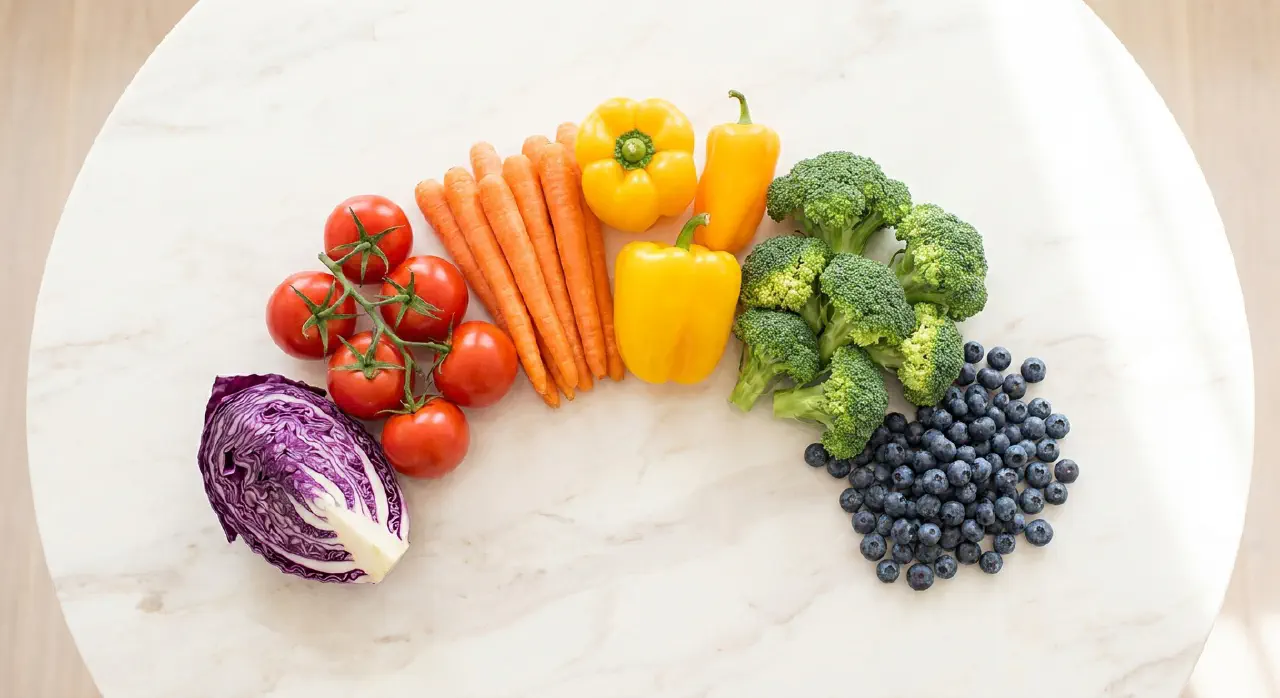
Plant pigments fall into four families, each with different chemistry, different locations in the cell, and different responses to cooking. Understanding these four families — and the enzymatic browning reaction that cuts across all of them — explains nearly every color change that happens between the garden and the plate.
The four pigment families
Chlorophyll (green)
The most abundant pigment on earth, responsible for harvesting solar energy in photosynthesis. Two forms exist: chlorophyll a (bright blue-green, dominant at 3:1 ratio) and chlorophyll b (more muted olive). Both sit in chloroplast membranes, anchored by a fat-soluble carbon tail, with a water-soluble ring structure centered on a magnesium atom — structurally similar to the iron-centered ring in myoglobin.
Seed Biology
Seed Biology
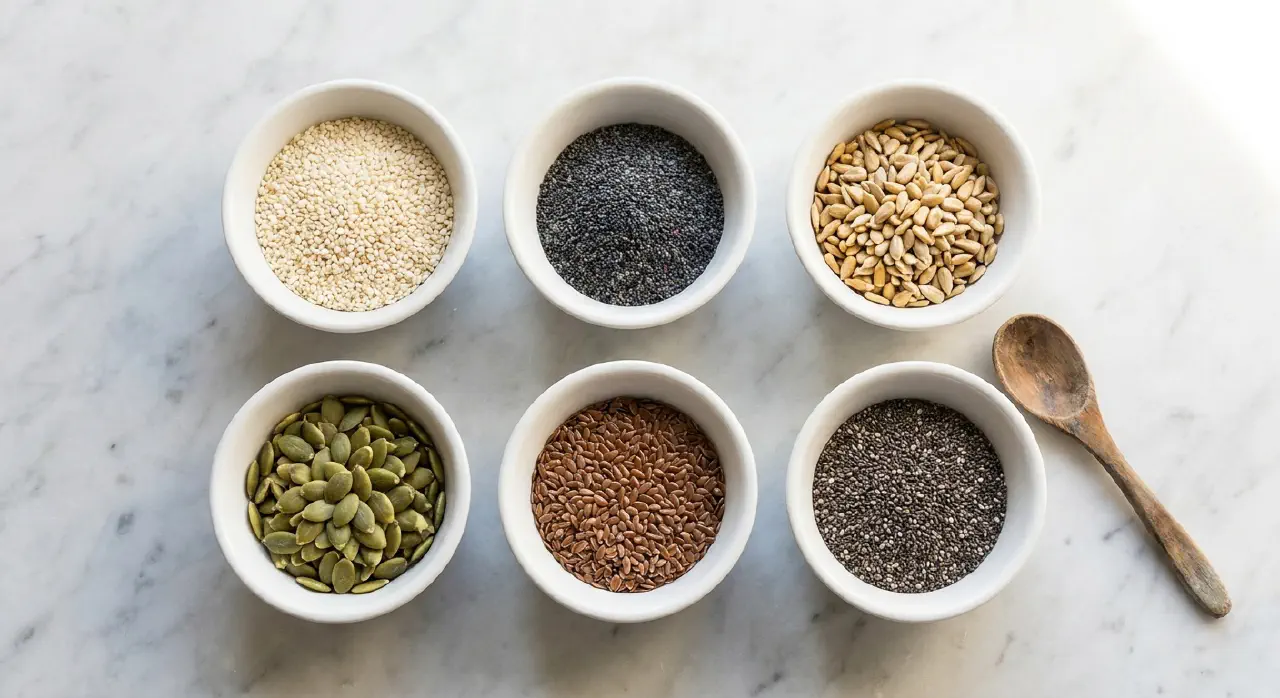
Seeds are the driest, most shelf-stable foods in the kitchen — concentrated parcels of energy locked behind a water-resistant coat, requiring both moisture and heat to become edible. The same three-part structure (protective coat, embryo, storage tissue) appears across all seeds, and understanding how starch, protein, and oil behave within that structure explains nearly every cooking property of grains, legumes, and nuts.
Seed structure
Every seed consists of three functional components: