Alliums
Alliums
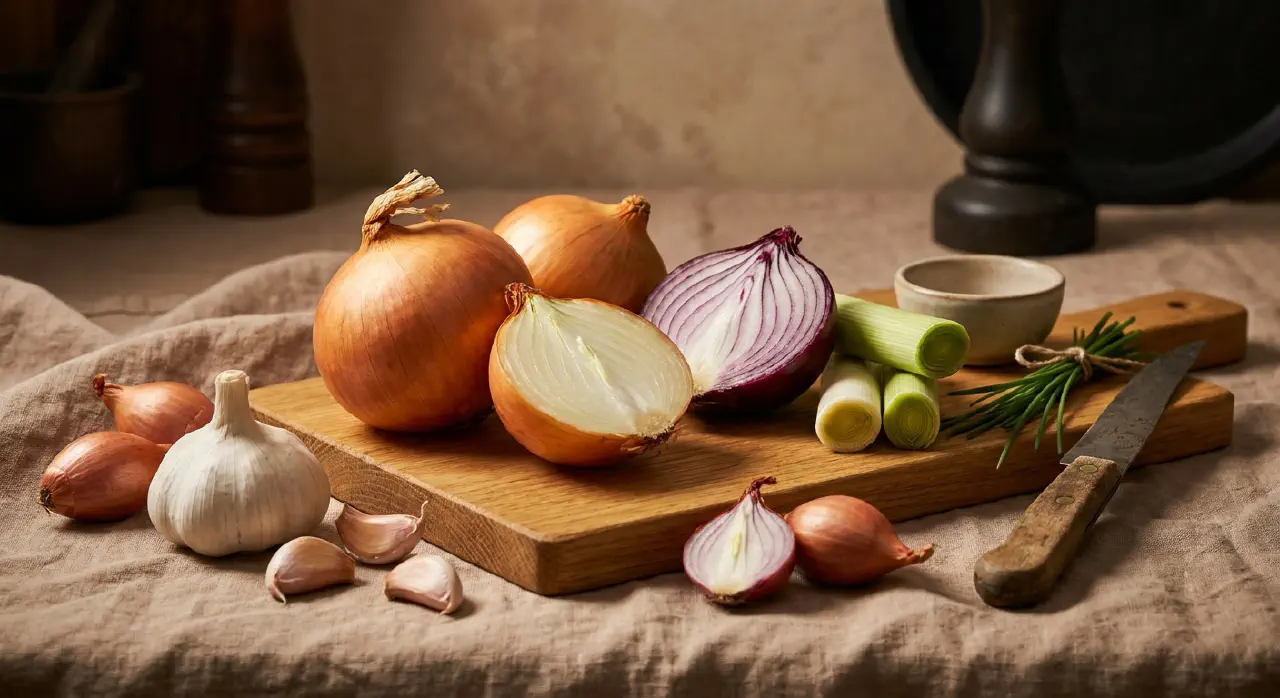
About 500 species in the genus Allium (lily family), native to northern temperate regions, with ~20 important food species and a 3,000+ year culinary history. The allium family is the aromatic backbone of most savory cooking worldwide, defined by sulfur chemistry that makes them pungent raw and sweet when cooked. All alliums store energy as fructose chains (not starch), which is why long slow cooking breaks them down to produce marked sweetness.
Caramelization
Caramelization
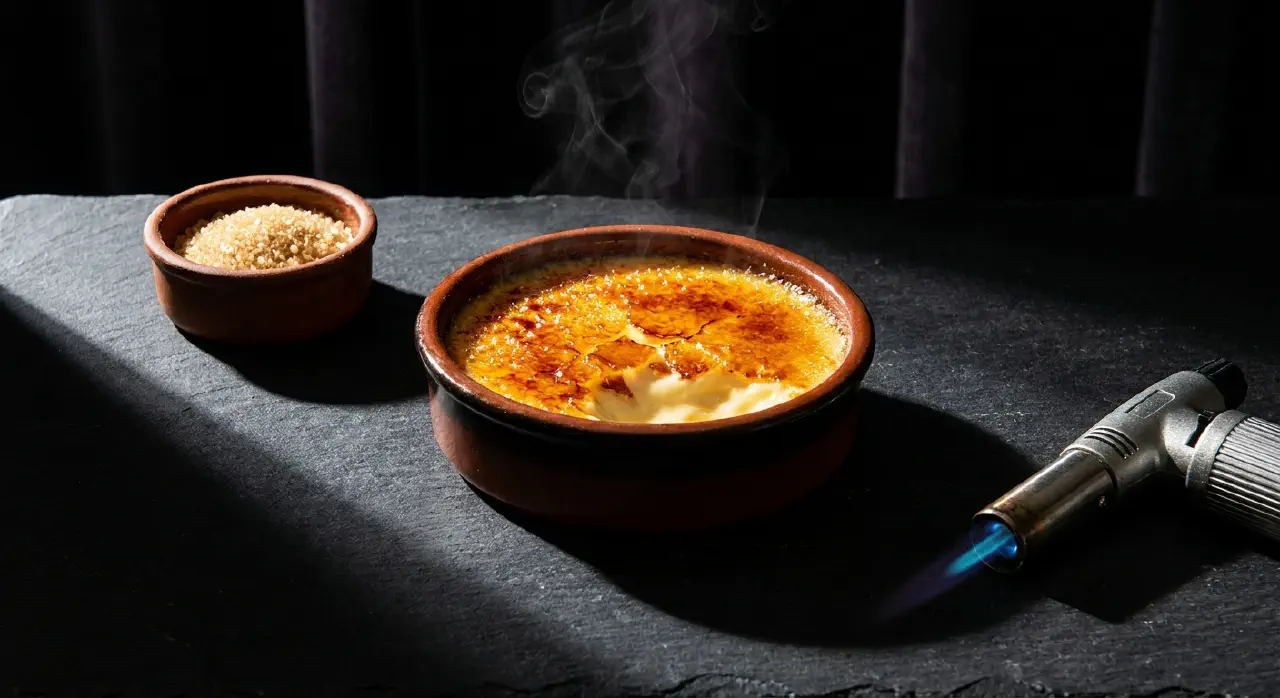
Caramelization is the simplest browning reaction — pure sugar, heated until it breaks down into hundreds of new compounds that produce the characteristic color, aroma, and bittersweet complexity of caramel. Unlike the maillard-reaction, no proteins are involved.
The process
When sucrose is heated above ~330°F/165°C, it melts into a thick syrup and begins to decompose. The sugar molecules fragment and recombine into a cascade of products:
- Organic acids (acetic acid and others) — contribute sourness
- Sweet and bitter derivatives — the bittersweet complexity of caramel
- Volatile aromatic molecules — butterscotch (diacetyl), nutty (furans), sherry-like (acetaldehyde), fruity (esters), and the distinctive caramel note (maltol)
- Brown polymers (melanoidins) — the color
The process is progressive: light yellow (mild, mostly sweet) through amber (complex, bittersweet) to dark brown (increasingly bitter, eventually burnt). The cook’s job is to stop at the right point.
Chocolate
Chocolate
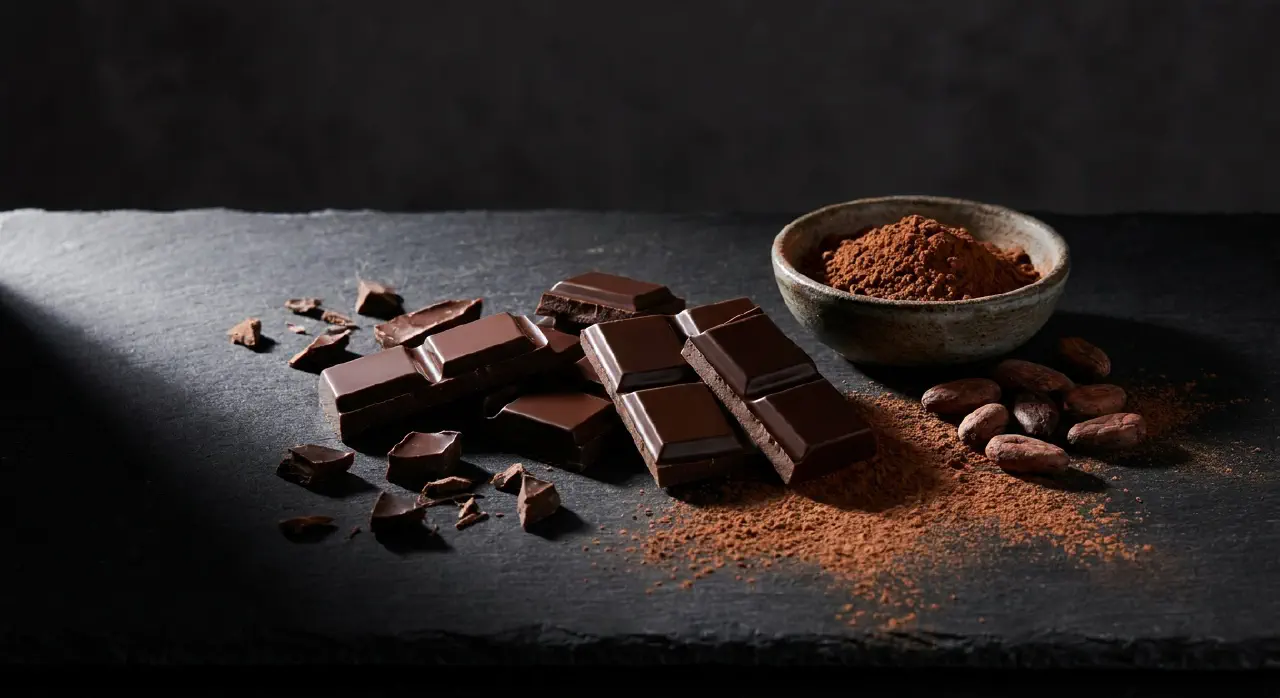
Chocolate is one of the most chemically complex foods — over 600 volatile aroma compounds, produced by an unusually elaborate chain of biological and thermal transformations. The cacao bean starts as a bland, astringent seed; three-phase fermentation converts it into a vessel of flavor precursors; gentle roasting develops those precursors through Maillard browning; and hours of conching aerates and mellows the result. At every stage, the wrong conditions destroy flavor that cannot be recovered.
Fish Flavor and Freshness
Fish Flavor and Freshness
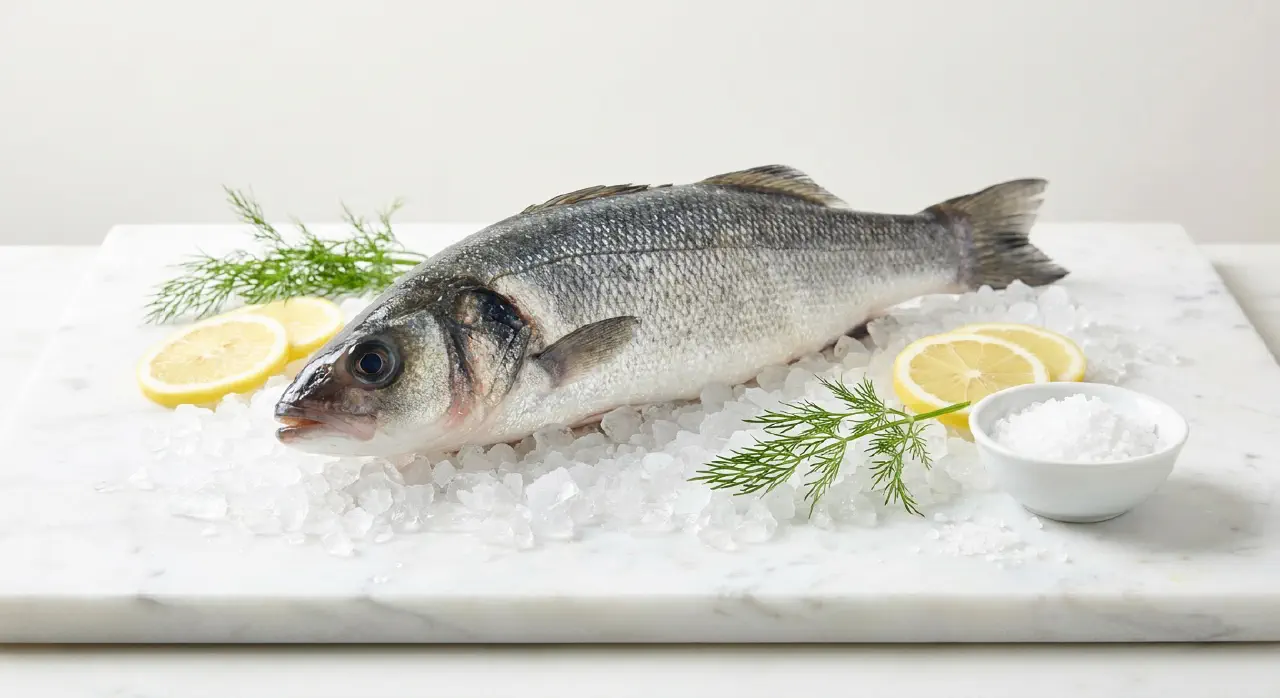
The flavor chemistry of fish is driven by an elegant adaptation: ocean fish must counterbalance the saltiness of seawater (about 3% salt) while their cells function optimally at ~0.8%. The molecules they accumulate for this osmotic balancing act are the same molecules that create their distinctive taste — and, eventually, their distinctive smell when they go off.
The Osmotic Strategy: Why Ocean Fish Taste Better
Ocean fish accumulate two main classes of osmolyte: amino acids (sweet glycine, savory glutamic acid) and TMAO (trimethylamine oxide, largely tasteless). Saltwater fish contain three to ten times more free amino acids than beef or freshwater fish, with shellfish especially rich. This explains the inherently savory, complex flavor of ocean seafood.
Flavor Chemistry of Herbs and Spices
Flavor Chemistry of Herbs and Spices
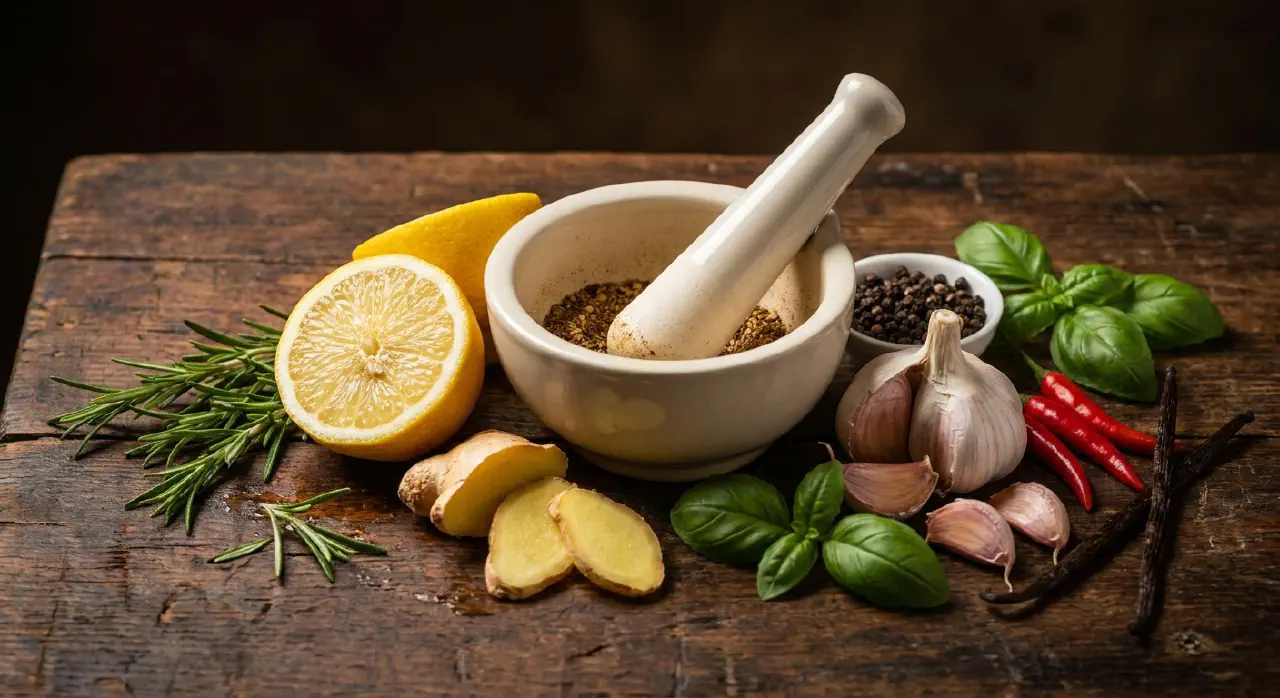
All herb and spice flavors are plant defense chemicals — evolved to repel insects, fungi, and grazing animals. Humans learned to dilute them (a few milligrams in a pound of food) to convert weapons into pleasures. The science of these chemicals explains why some flavors vanish with cooking while others persist, why fat extracts more flavor than water, and why a spice blend can be greater than the sum of its parts.
Legumes
Legumes
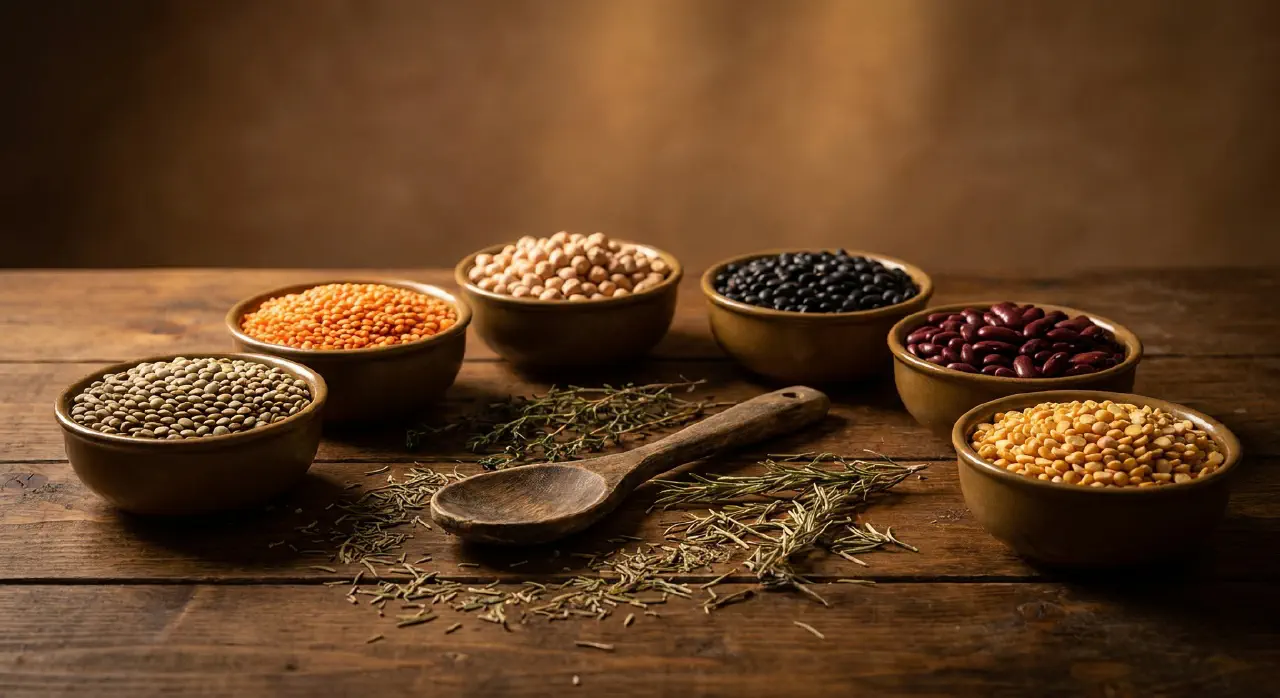
The second most important plant family in the human diet (after grasses), legumes owe their protein power to a symbiosis: soil bacteria (Rhizobium) colonize the roots and convert atmospheric nitrogen into plant-usable form, allowing legumes to accumulate 2–3× the protein of wheat or rice. Four legumes were so prominent in ancient Rome that they gave names to distinguished families — Fabius (fava), Lentulus (lentil), Piso (pea), and the most celebrated, Cicero (chickpea).
Maillard Reaction
Maillard Reaction
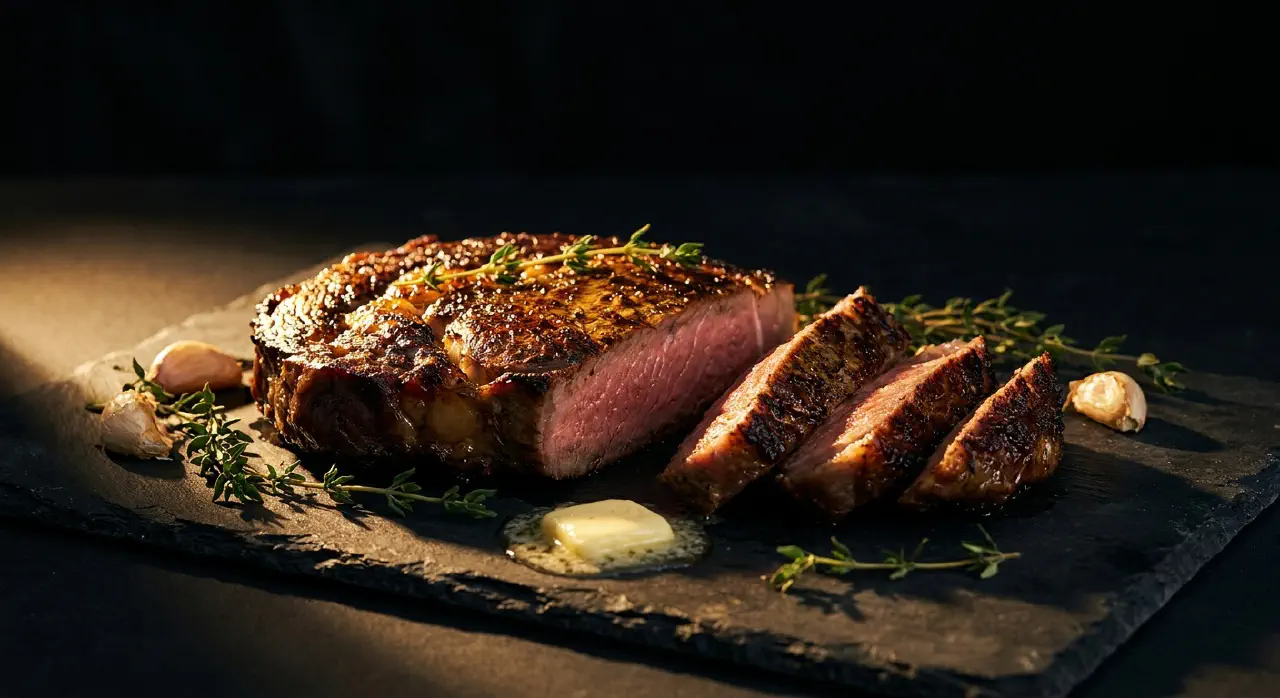
The Maillard reaction is the most important flavor-generating chemical process in cooking — the reaction between amino acids and sugars that produces the brown color and complex flavors of bread crusts, seared meat, roasted coffee, and chocolate.
The chemistry
Named after French physician Louis Camille Maillard (discovered ~1910), the reaction begins when a carbohydrate molecule meets an amino acid. They form an unstable intermediate that cascades into hundreds of different by-products — brown pigments (melanoidins), volatile aroma compounds, and new flavor molecules.
Meat Flavor
Meat Flavor
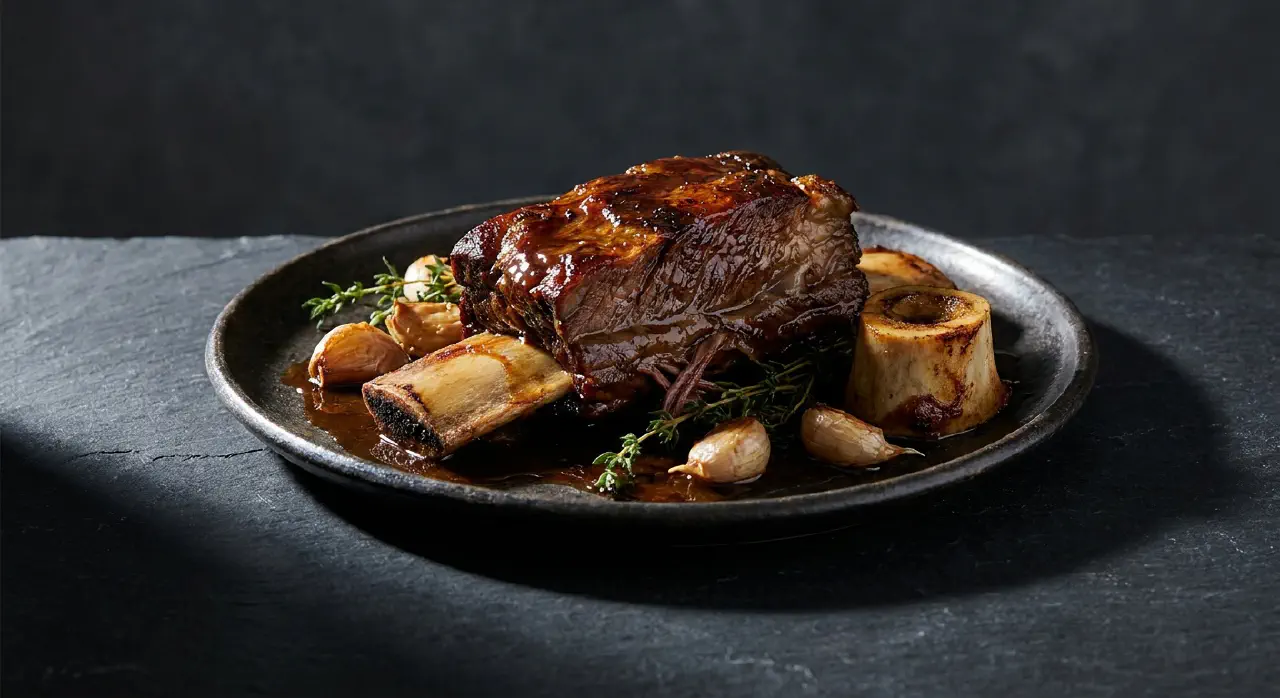
Meat flavor has two distinct components: a generic “meatiness” that comes from muscle fiber breakdown products (shared across all animals), and a species-specific character that comes almost entirely from fat. Understanding both requires understanding myoglobin, fiber types, and the chemistry of cooking.
Myoglobin and color
Myoglobin is the iron-containing pigment that gives meat its color. It exists in three forms:
Oxymyoglobin (bright red): iron atom bound to oxygen. This is what you see when fresh meat “blooms” on exposure to air.
Plant Flavor
Plant Flavor
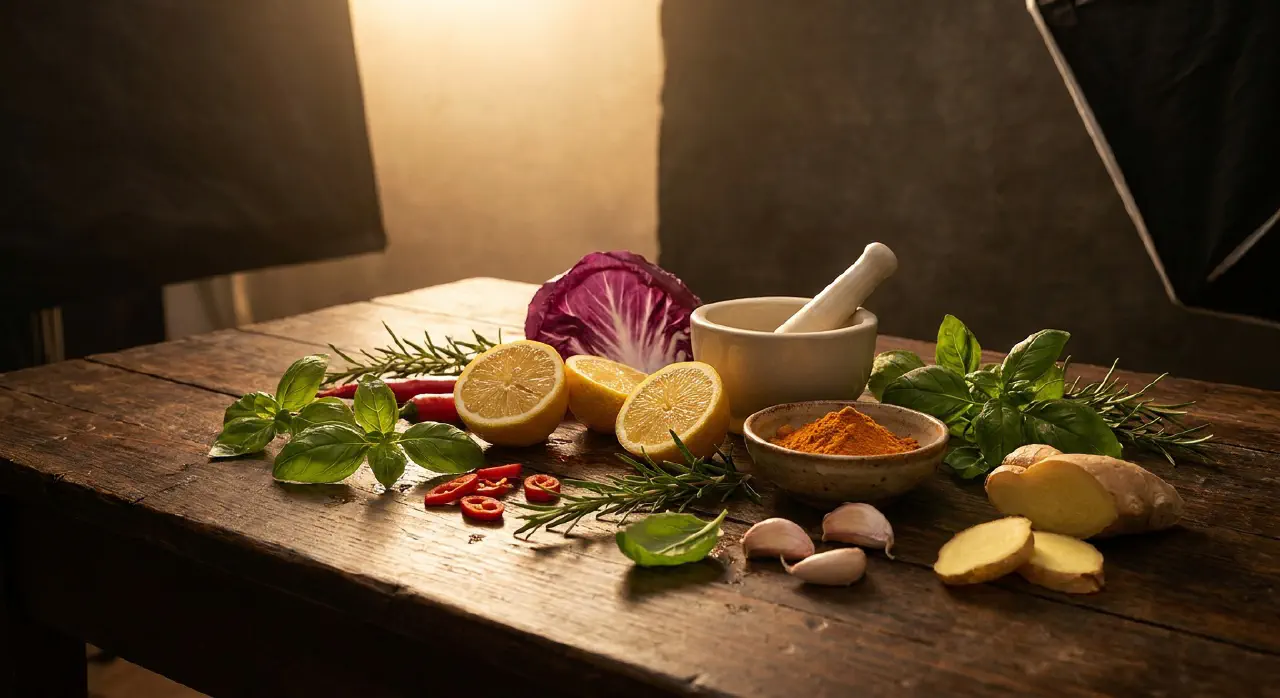
Plant flavor is a composite of four distinct sensory channels: taste (tongue), touch (mouth feel), irritation (pain receptors), and aroma (olfactory receptors). Taste tells you the basic composition — sweet, sour, bitter, savory. Touch reveals astringency. Pain receptors register pungency. And aroma, with its hundreds of volatile molecules, is where the fine discriminations happen — the difference between an apple and a pear, between basil and oregano.
Taste: the basic composition
Sweetness
Sugar is the main product of photosynthesis, so plants are inherently sweet. Ripe fruits average 10–15% sugar by weight. In unripe fruit, sugar is locked away as tasteless starch, then converted to sugar during ripening while acid content simultaneously drops — making the fruit seem even sweeter than the sugar alone would suggest.
Sauce Making
Sauce Making
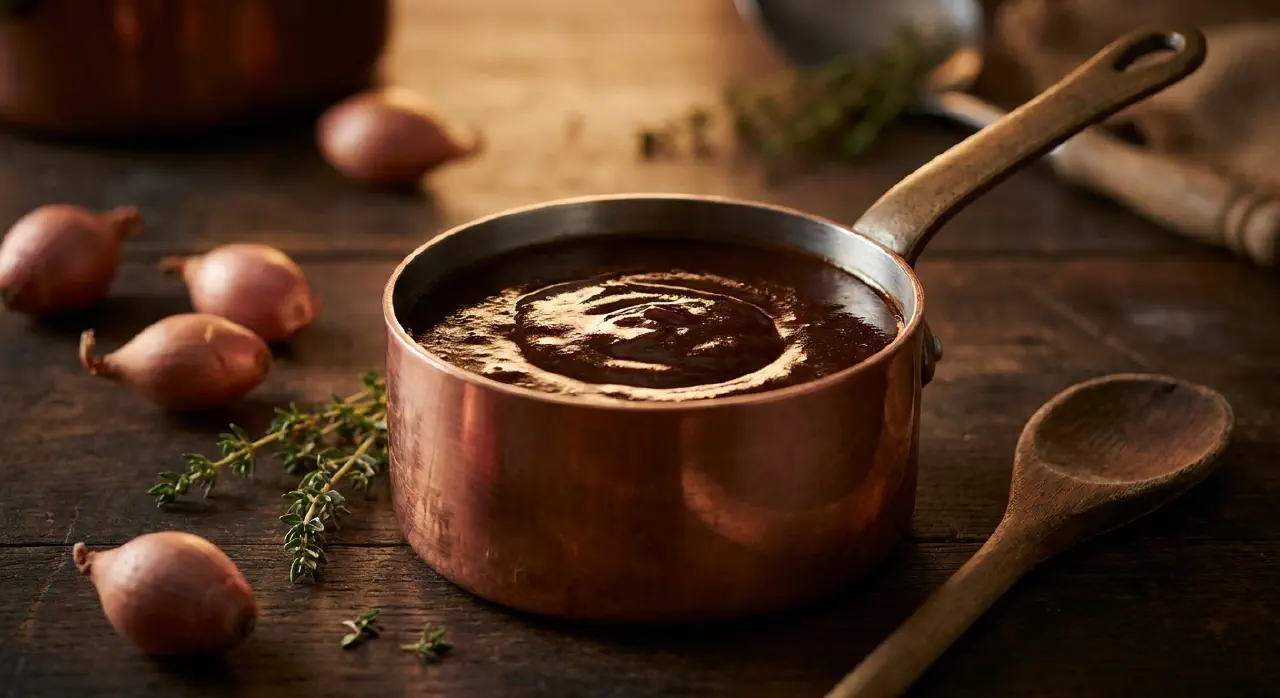
A sauce makes water seem less watery — giving it body, cling, and the ability to carry flavor across the surface of food. Every sauce in every tradition achieves this through one or more of six physical strategies: dissolving gelatin, swelling starch granules, coagulating egg protein, emulsifying fat droplets, suspending plant particles, or trapping gas bubbles in foam. Understanding this taxonomy makes the classical French system (and every other) a set of variations on knowable physics.