Condiments
Condiments
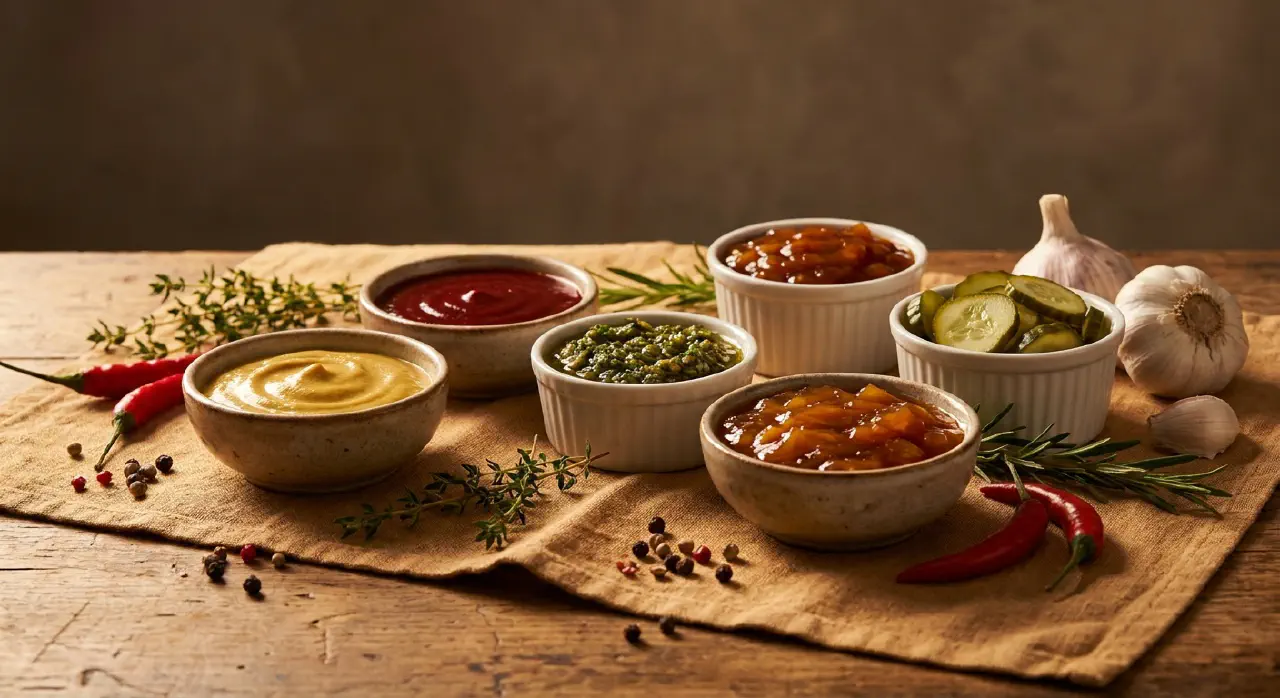
Condiments are the sauces that come to the table rather than the stove — flavor concentrates meant to contrast, brighten, or deepen the food they accompany. They divide broadly into fresh preparations (salsas, pesto, vinaigrettes) and fermented or preserved preparations (mustard, ketchup, soy sauce, fish sauce, vinegar, chutneys). The fermented condiments represent some of the oldest food technologies: salt and time converting perishable ingredients into shelf-stable, intensely flavored liquids.
Dried Fruits
Dried Fruits
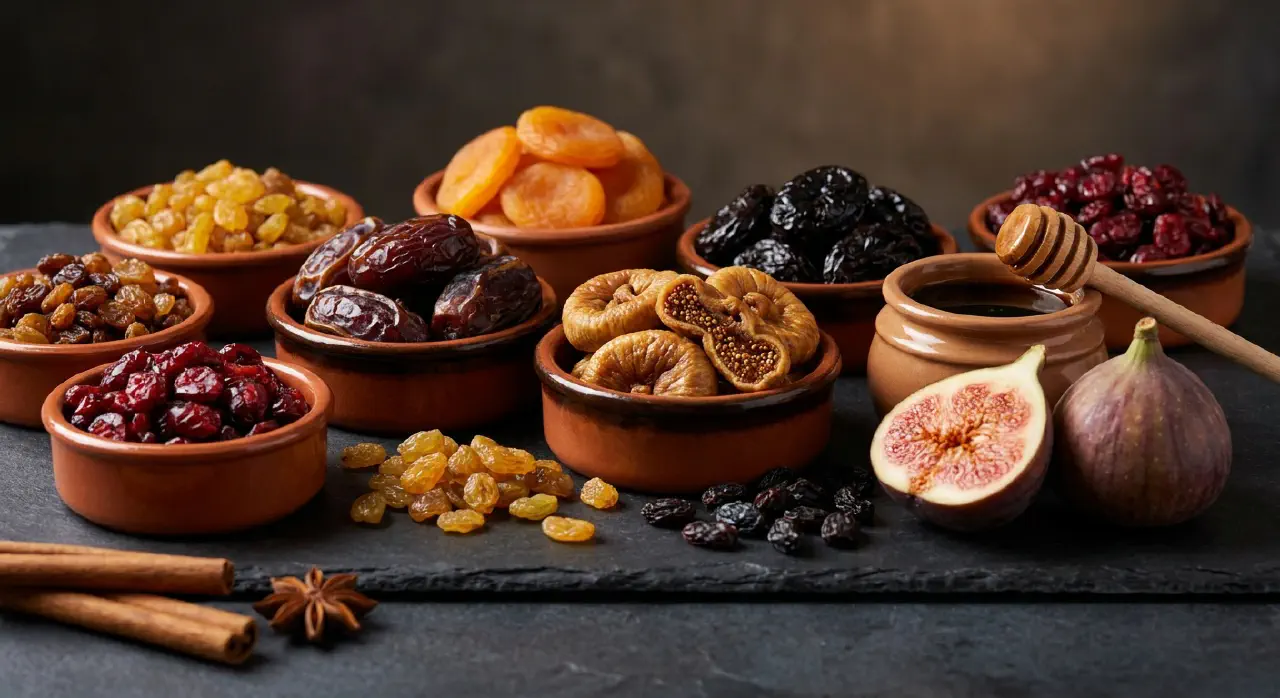
Drying is among the oldest preservation methods, reducing fruit to 15–25% moisture where microbial growth is inhibited and shelf life extends from days to months or years. The process concentrates sugars dramatically — dried dates reach 60–80% sugar — and drives two types of browning reactions (enzymatic oxidation of phenolics and Maillard reactions between sugars and amino acids) that generate complex caramel, roasted, and spice notes absent in the fresh fruit.
Fermentation
Fermentation
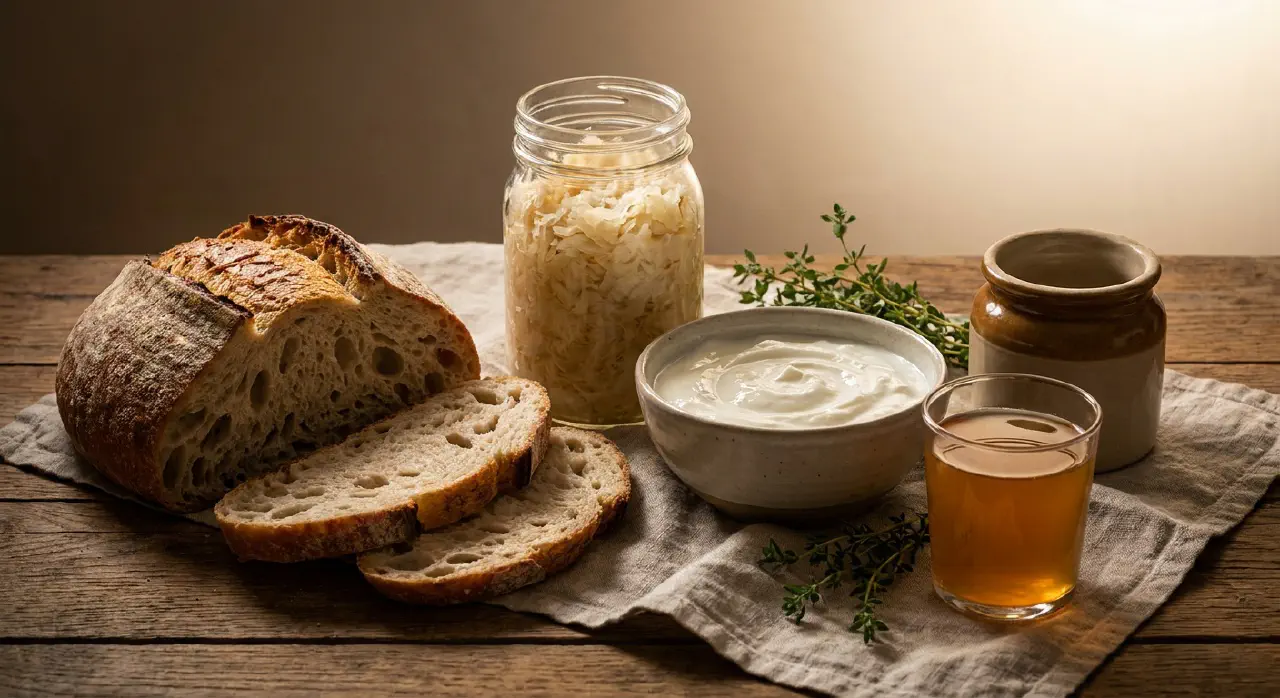
Fermentation is the transformation of food by microorganisms — yeasts, bacteria, and molds. It is one of the oldest and most consequential food technologies: bread, cheese, yogurt, wine, beer, soy sauce, vinegar, chocolate, coffee, and kimchi are all fermented foods. In every case, microbes do work that humans cannot — breaking down complex molecules into simpler, more flavorful, more digestible, or more preserved forms.
The basic mechanism
Fermentation in the strict biochemical sense is anaerobic metabolism — organisms extracting energy from sugars without oxygen, producing alcohol or organic acids as byproducts. In culinary use, the term is broader, encompassing any microbial transformation of food.
Meat Curing
Meat Curing
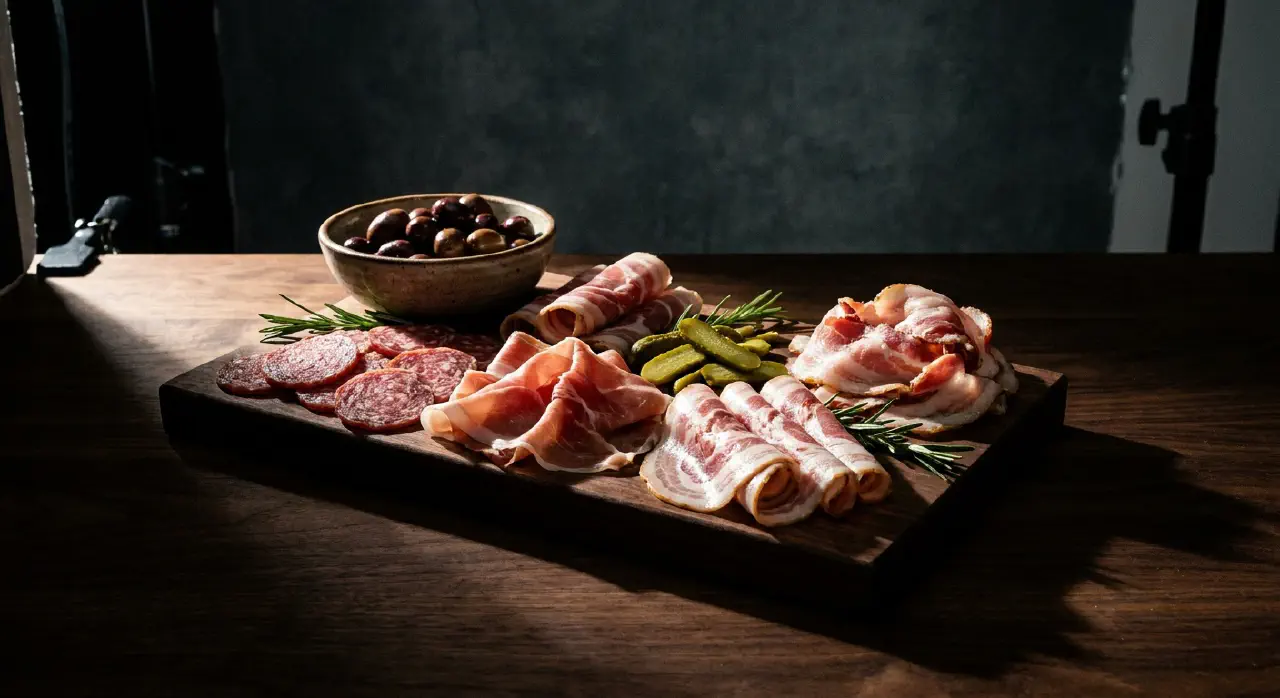
Curing is the ancient practice of making meat inhospitable to microbes through salt, drying, smoke, and fermentation — methods stretching back 4,000+ years. What began as preservation has become one of food science’s most complex flavor-development systems. A dry-cured ham is to fresh pork what aged cheese is to fresh milk.
Salting
Salt preserves meat by creating high dissolved ion concentrations that draw water out of microbe cells and disrupt their cellular machinery. Traditional salted meats contained 5–7% salt by weight and kept for months uncooked.
Plant Preservation
Plant Preservation
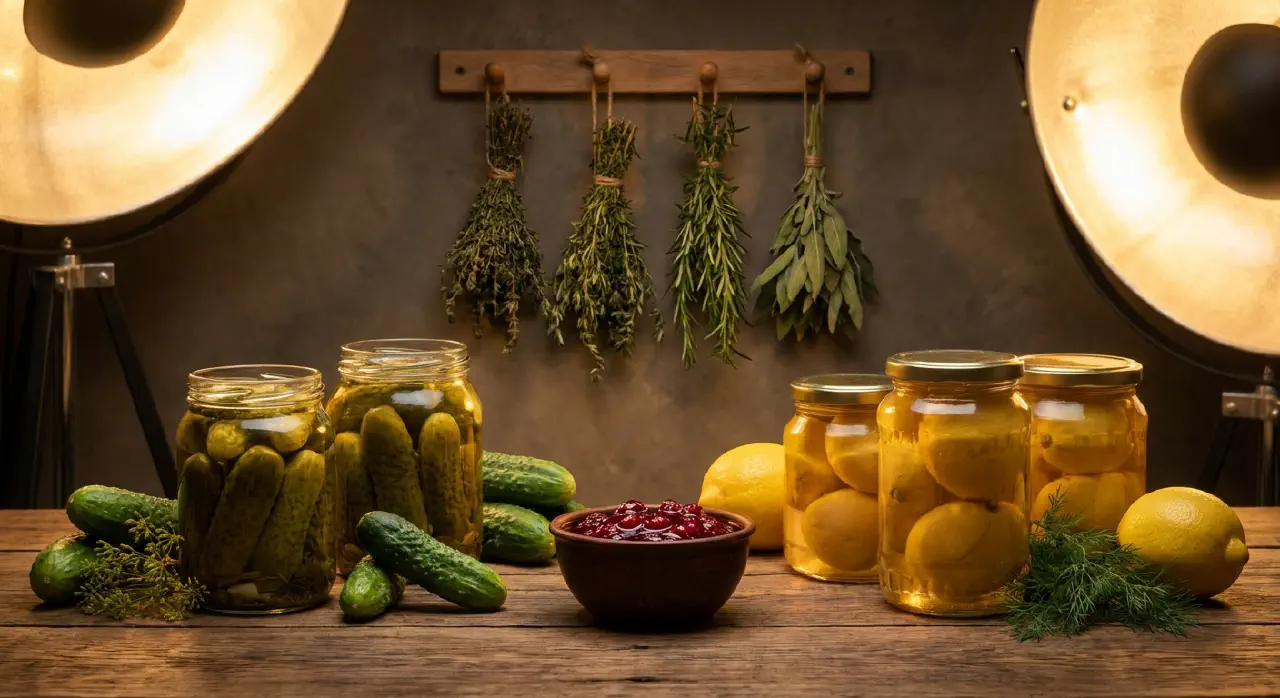
Preserving fruits and vegetables indefinitely requires two things: inactivating the plant’s own enzymes (which cause self-digestion) and making the environment inhospitable to microbes. Every preservation method achieves this through some combination of removing water, adding acid, adding sugar, adding salt, excluding oxygen, or applying heat. The methods range from prehistoric (sun-drying, fermentation) to industrial-age (canning, freeze-drying).
Drying
The oldest method. Reducing tissue water content from ~90% to 5–35% creates conditions in which little can grow.
Precision Jam
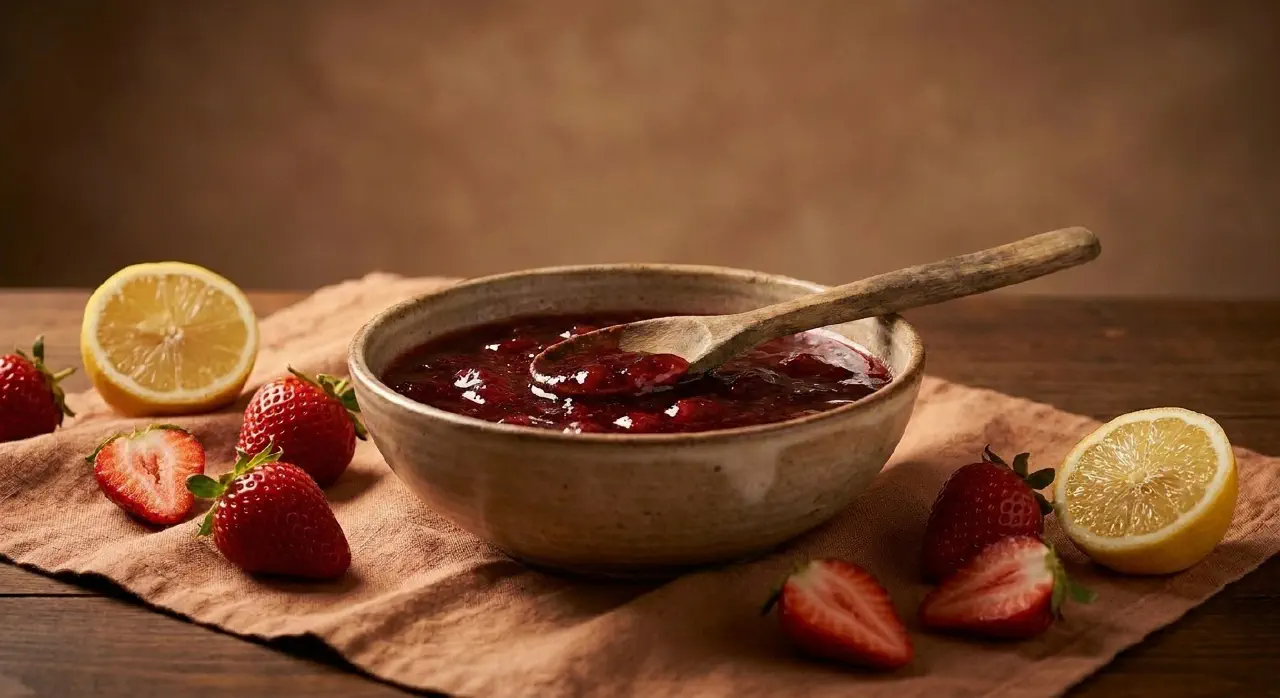
Traditional jam-making is thermal violence — boil hard, drive off water, hope something recognizable survives. At 85°C with precision control, jam tastes like the fresh fruit you started with while remaining fully safe and properly set. The key: pectin only needs 83°C to gel, so everything above that is destroying flavor you could have kept.
The Aroma Problem
If you can smell jam from the other side of the house, that’s flavor vapor — volatile aroma compounds hitching a ride on escaping steam. At 100°C with vigorous boiling, steam acts as a cargo ship for aroma molecules. You get a wonderful kitchen smell and jam that tastes like sugar with a memory of fruit.
Preserved Fish
Preserved Fish
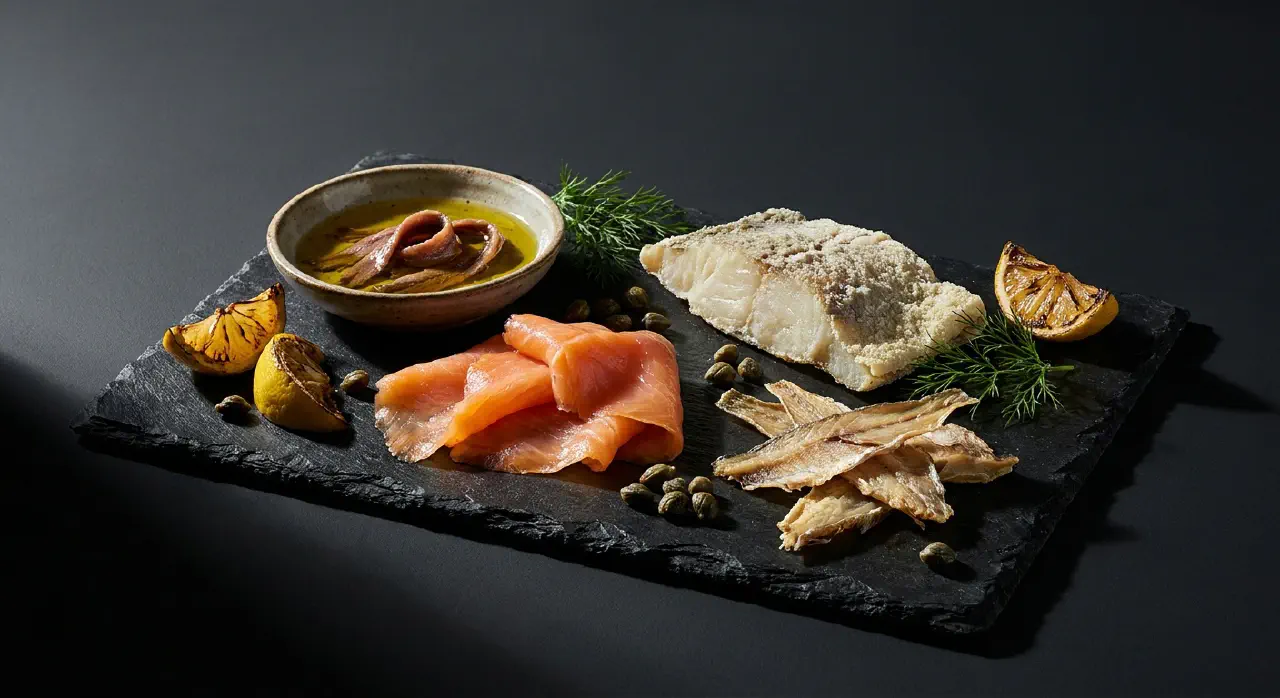
Fresh fish is about 80% water and spoils faster than any other animal protein. Before refrigeration, most harvested fish required immediate preservation — and the methods developed to solve this problem created some of the most complex flavors in any cuisine. Drying, salting, smoking, and fermenting didn’t just preserve fish; they transformed it into tradeable commodities that built European maritime prosperity and underpin Asian flavor systems to this day.
Salt
Salt
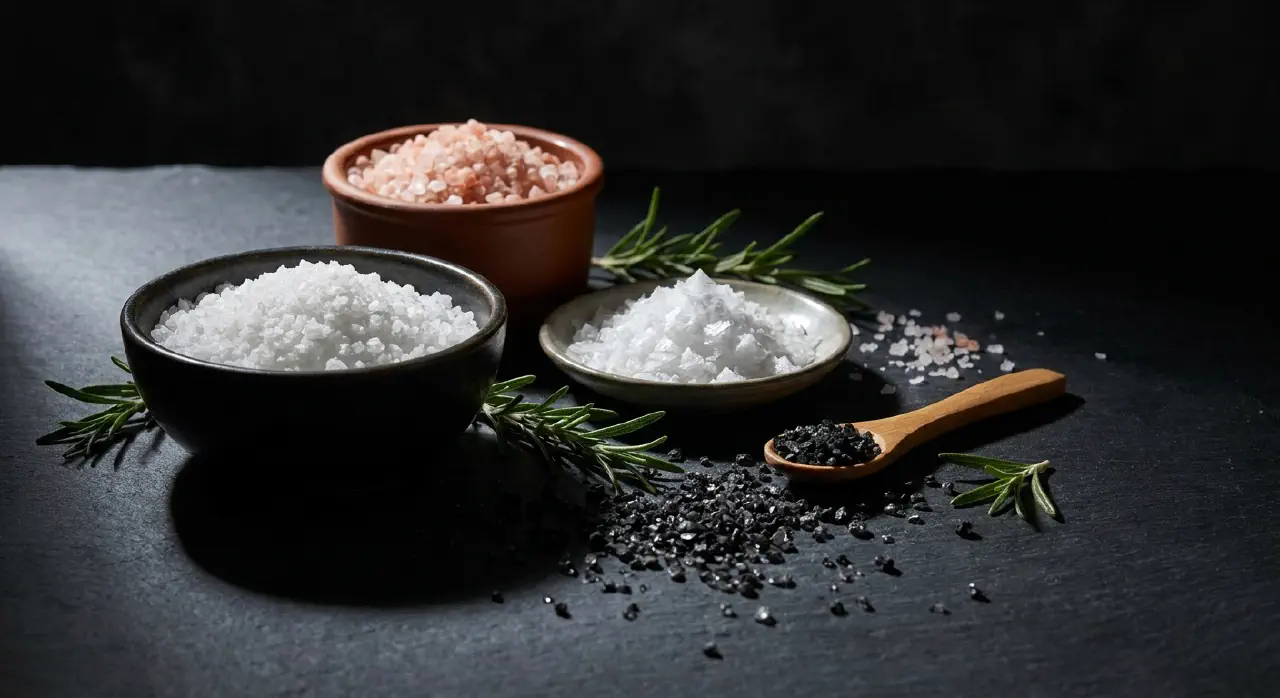
Salt (sodium chloride) is the only mineral we eat in pure form and the most fundamental seasoning in cooking. But its effects extend far beyond taste — salt alters protein behavior, controls water activity, preserves food, and modifies texture in ways that make it one of the most scientifically important ingredients in the kitchen.
Effects on proteins
Salt dissolves into sodium and chloride ions that cluster around charged portions of protein molecules, neutralizing their mutual electrical repulsion. This has two major consequences:
Vinegar
Vinegar
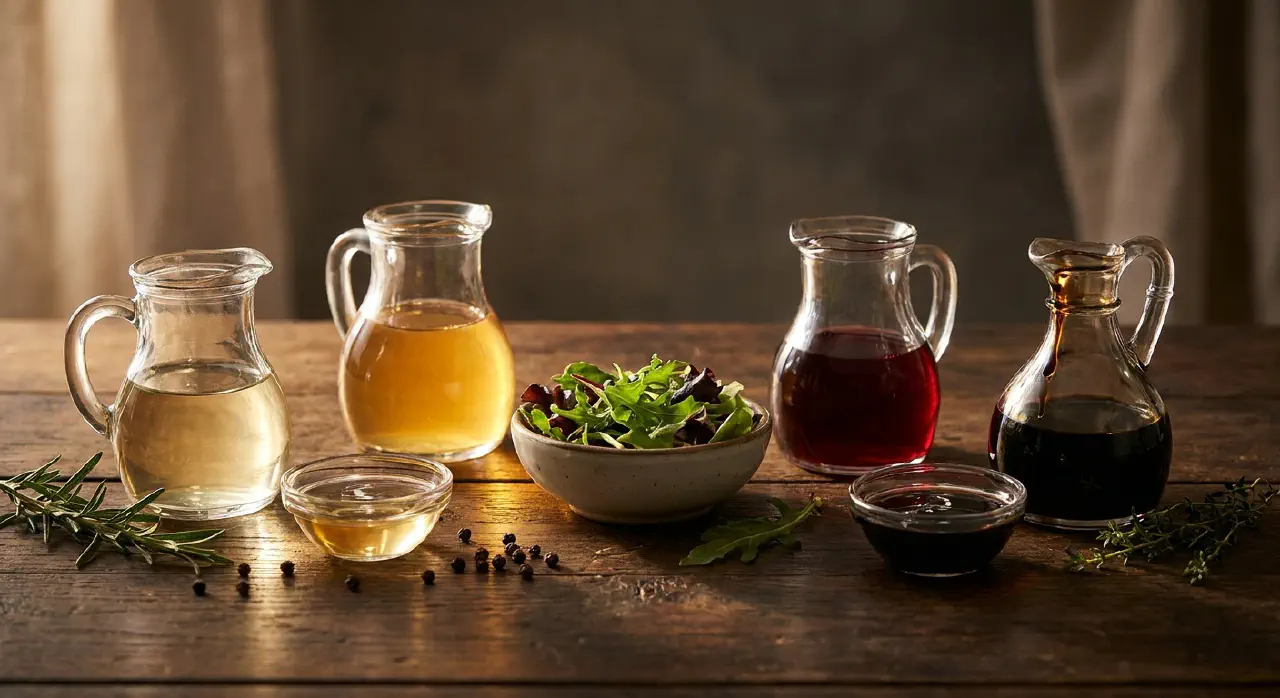
Vinegar is alcohol’s natural sequel — acetic acid bacteria use oxygen to metabolize ethanol into acetic acid, a far more potent antimicrobial agent than alcohol itself. The French name says it plainly: vin aigre, “sour wine.” Our ancestors discovered wine and vinegar together, since fermented plant juices naturally sour on air exposure; the major winemaking challenge for millennia has been delaying this transformation. Babylonians were making vinegar from dates, raisins, and beer by ~4000 BCE. Pliny considered it unmatched as a seasoning.