Boilover Physics
Boilover Physics
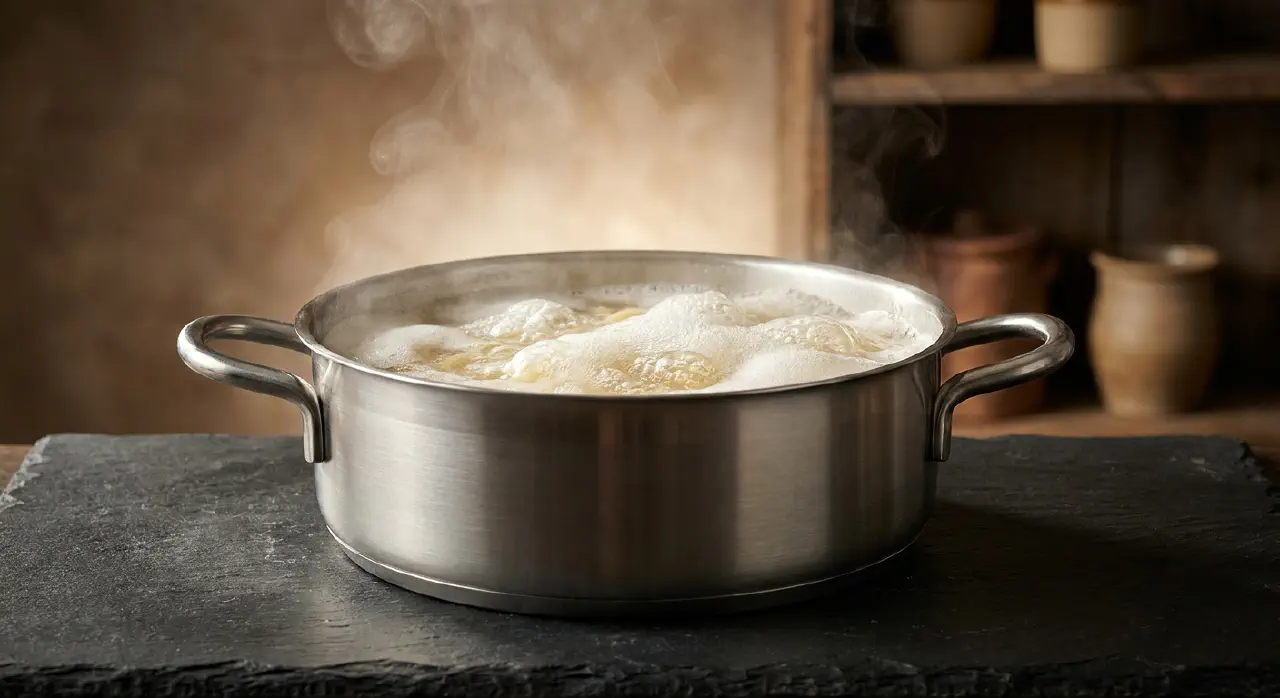
Boilover is not just an annoyance or a stove-cleaning catastrophe — it is a combined starch chemistry and temperature control problem. The foam is created by starch acting as a surfactant; the overflow is caused by binary on/off heating that dumps excess energy into violent steam production. Understanding both mechanisms reveals practical solutions.
The Foam Chemistry
When potatoes or pasta boil, starch granules swell and burst, releasing amylose and amylopectin into the water. These starch molecules create thin, flexible films around steam bubbles. In pure water, steam bubbles pop immediately at the surface. In starchy water, the films stabilize bubble structure — bubbles stack and trap additional bubbles, building a stable foam layer. This foam acts as an insulating lid, trapping steam underneath, which lifts the entire foam mat up and over the pot rim.
Crust Engineering
Crust Engineering
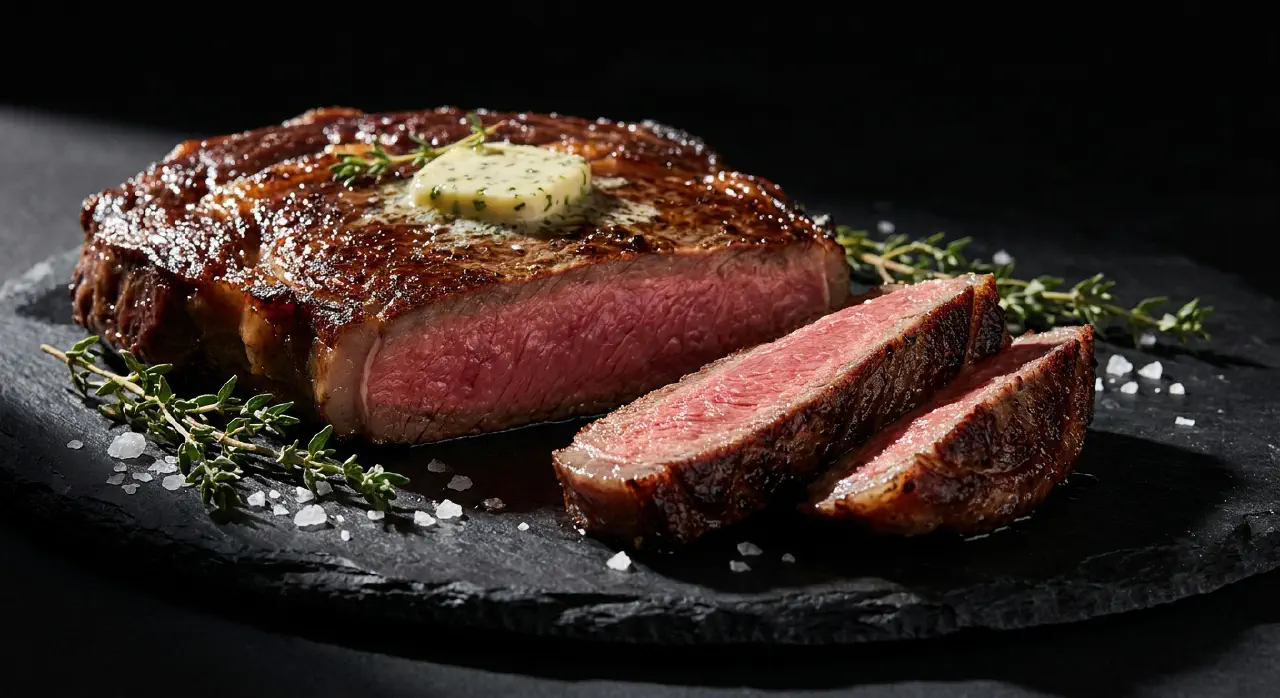
Crust is not just color — it is a structural transformation of the food’s outer millimeters. The art of crust engineering is managing the thermal gradient so the surface browns deeply while the interior remains at target temperature. Understanding the temperature zones that create flavor is essential for both delicate proteins and robust cuts.
The Flavor Window
Three distinct zones overlap on a temperature axis:
- Maillard reaction (140–165°C) — Amino acids combine with sugars, creating savory, umami, and meaty complexity. The foundation of cooked food flavor.
- caramelization (160–190°C+) — Sugar polymers break down and recombine into nutty, toffee, and bittersweet compounds. Adds sweetness and depth.
- Carbonization (200°C+) — Organic matter breaks down further into bitter and acrid compounds. Destructive; indicates burning.
The most interesting layered flavors live in the 170–190°C overlap zone where both Maillard and caramelization operate simultaneously.
Precision Cooking
Precision Cooking
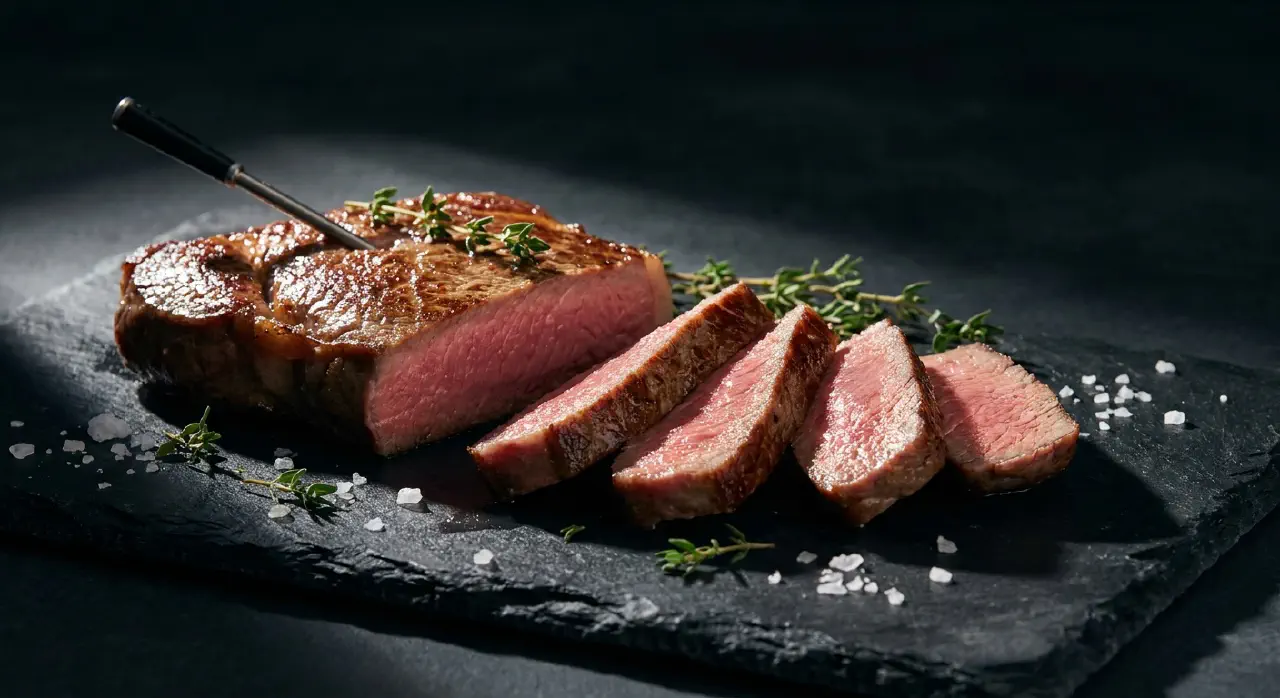
Precision cooking replaces guesswork with measured temperature control. The Arrhenius equation governs all cooking reactions exponentially — the same principle already captured in cooking-temperatures, but here applied practically to kitchen tools and techniques that eliminate the chaos of traditional heat sources.
The 10°C Rule Applied
Every 10°C roughly doubles reaction rate. A 5°C change ≈ 1.4–1.5× speed (noticeably faster). A 20°C increase = 4× acceleration, 30°C = 8×. This is why traditional hob swings of 20–40°C cause unpredictable browning and inconsistent results. Conversely, holding ±2°C allows precise control over when reactions occur.
Precision Fermentation
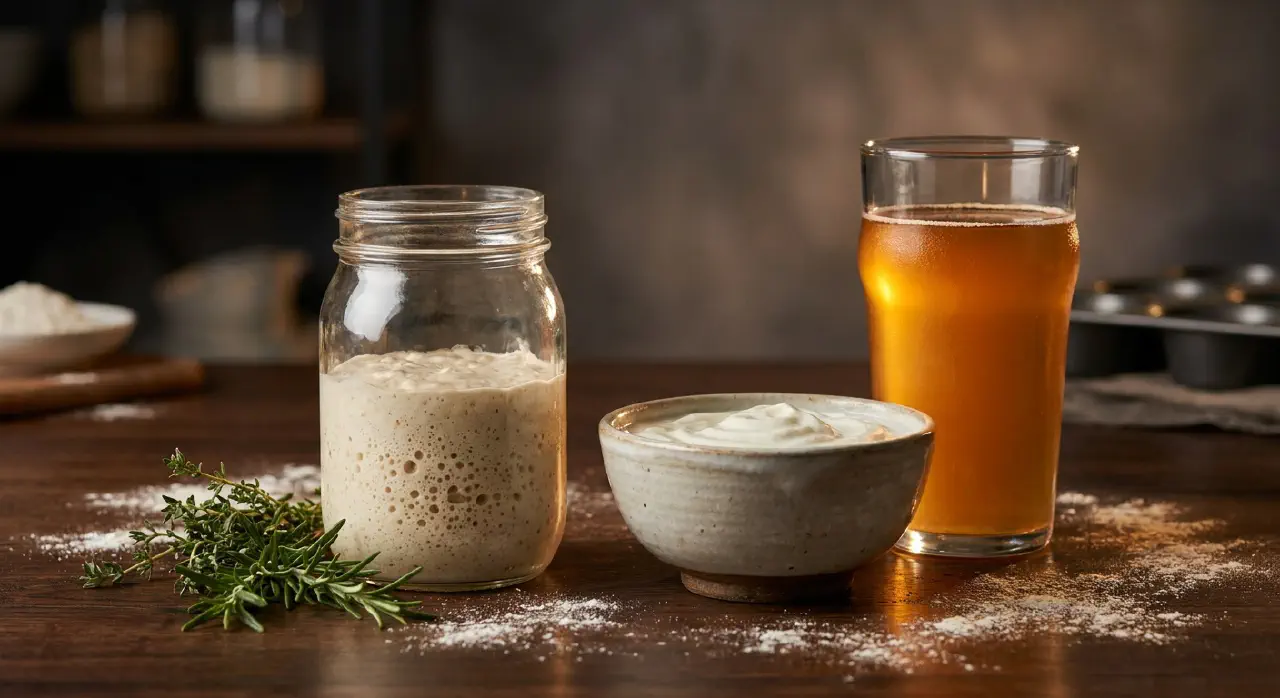
Every fermentation has a narrow metabolic sweet spot. Miss it by 5-10°C and you get runny yogurt, grainy texture, bland flavor, or complete failure. With precise temperature control, any heavy-bottomed pot becomes a digital incubator — turning kitchen chaos (variable room temperatures, unreliable ovens, radiator-heated corners) into predictable, professional-grade results.
Yogurt (41°C)
Thermophilic bacteria (Lactobacillus bulgaricus and Streptococcus thermophilus) peak in activity at ~41°C. Below 38°C, fermentation is sluggish and the culture takes so long to acidify the milk that wild microbes have time to compete, leading to thin, off-flavored results. Above 45°C, the bacteria experience heat stress, causing grainy texture and syneresis (excessive whey separation).
Precision Jam
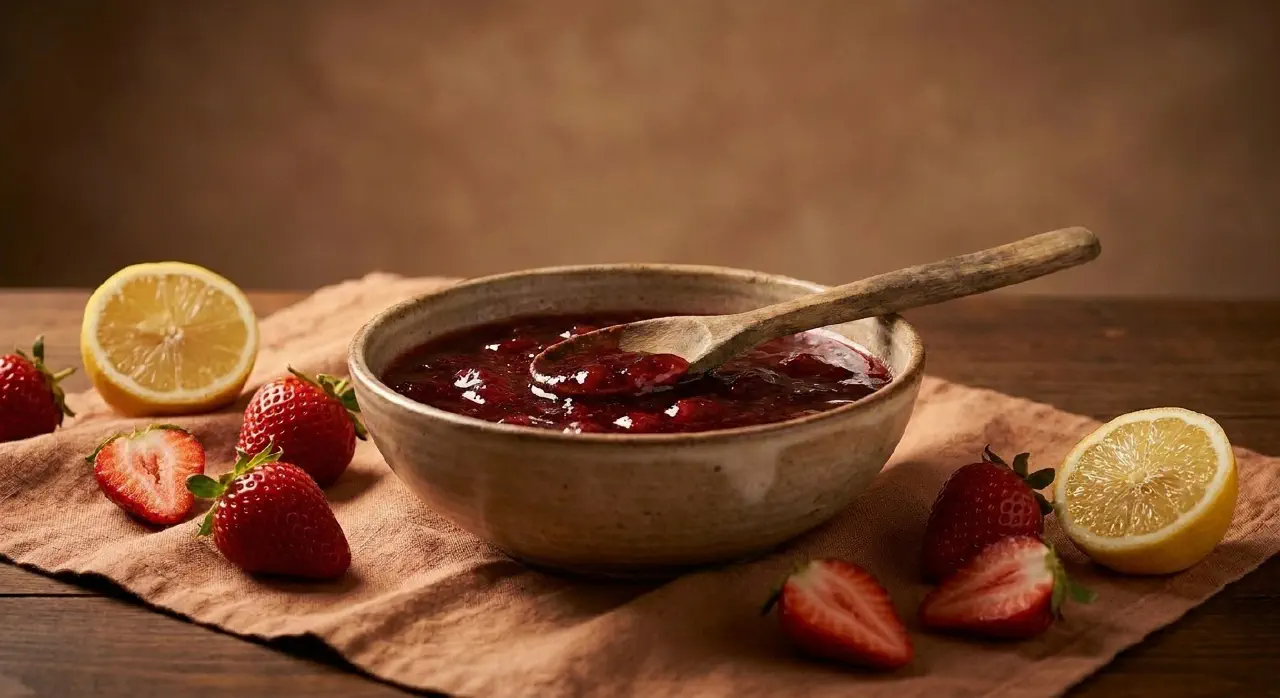
Traditional jam-making is thermal violence — boil hard, drive off water, hope something recognizable survives. At 85°C with precision control, jam tastes like the fresh fruit you started with while remaining fully safe and properly set. The key: pectin only needs 83°C to gel, so everything above that is destroying flavor you could have kept.
The Aroma Problem
If you can smell jam from the other side of the house, that’s flavor vapor — volatile aroma compounds hitching a ride on escaping steam. At 100°C with vigorous boiling, steam acts as a cargo ship for aroma molecules. You get a wonderful kitchen smell and jam that tastes like sugar with a memory of fruit.
Precision Rice
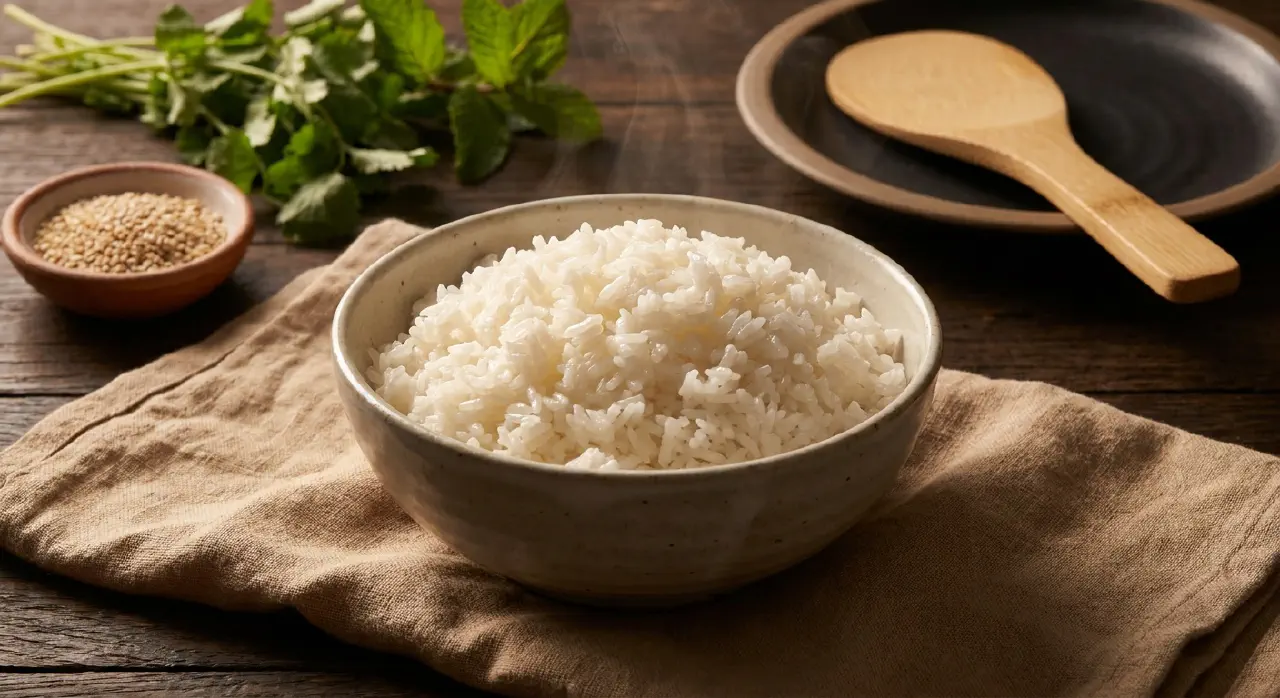
Rice cooking fails not from technique but from bad science. Once you separate what the grain absorbs from what escapes as steam, perfect rice becomes predictable. The key insight: all rice types need roughly 1:1 water by weight in a sealed system — everything above that is compensating for evaporation.
Starch Profiles
Rice texture stems entirely from its internal starch architecture. amylose (long, straight chains that resist tangling) produces fluffy, separate grains and appears in high concentrations in basmati and other long-grain varieties. amylopectin (branched starch molecules that tangle easily together) creates sticky, cohesive texture and dominates in sushi rice, glutinous rice, and short-grain types.
Quick Thawing
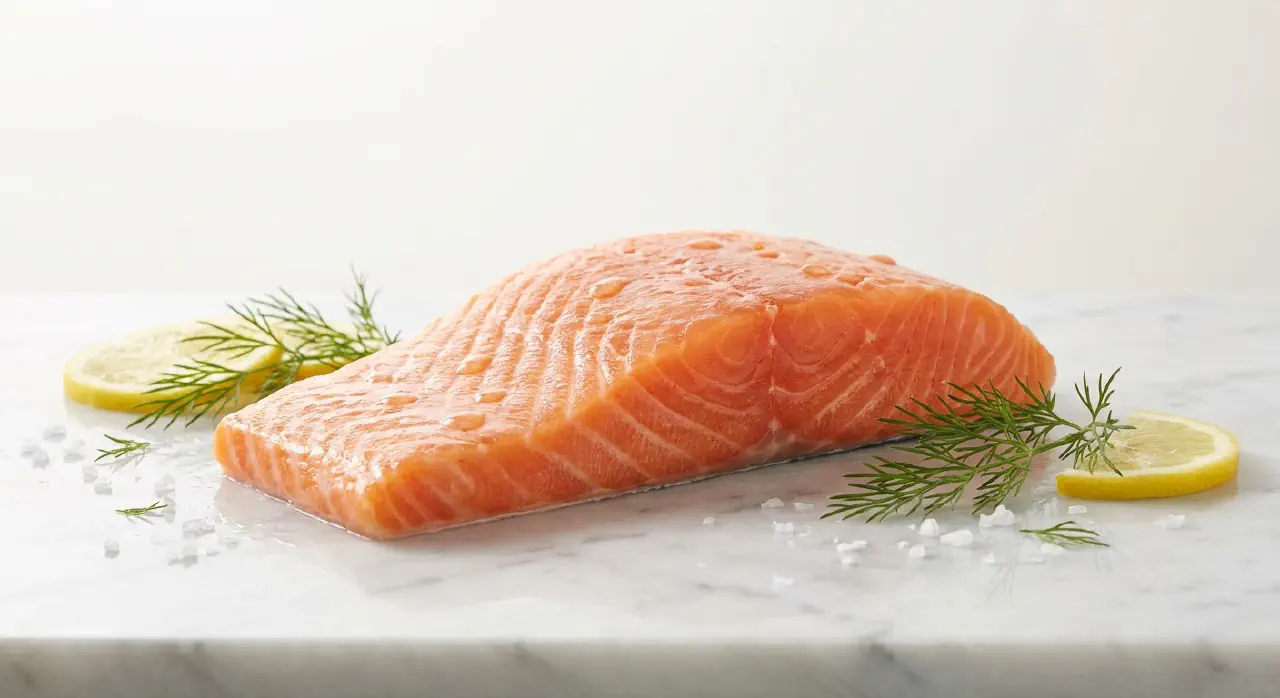
Room-temperature thawing feels intuitive but fails on every axis — slow, uneven, and dangerously long in the bacterial zone. The physics-based solution is a 30°C water bath: water is 24× more thermally conductive than air, and 30°C maximizes the temperature gradient without cooking the food’s surface.
The Conductivity Advantage
Water is roughly 24× more thermally conductive than air. Far more molecules collide with frozen surfaces per second, making even cold tap water (~10°C) faster than room-temperature air. At 30°C water, a 250g item thaws in 15-20 minutes versus 60-90 minutes in cold water or 3-4 hours on the kitchen counter — roughly 10-12× faster than air thawing.
Temperature Switches
Temperature Switches
Most cooking reactions are gradual — foods soften, darken, and thicken over a range of temperatures. Temperature switches are fundamentally different: binary phase transitions where nothing happens until a precise temperature is reached, then everything changes at once. These are on/off switches, not dimmers.
Sugar Melting (186°C)
Crystalline sucrose liquefies at precisely 186°C. Below this point: white and crystalline. At 186°C: instant liquid. This sharp transition has a practical use: sprinkle sugar across a pan surface to test heat distribution — areas where the sugar melts instantly show proper temperature, while solid areas reveal cold spots and thermal dead zones.